




Allergic Conjunctivitis Treatment
Allergic conjunctivitis treatment helps relieve itchy, red, watery, or swollen eyes caused by allergens.
- Evaluation for triggers such as pollen, dust, and mold.
- Personalized allergy management and symptom relief.
- Care for persistent or recurring eye allergy symptoms.
- Same-day or next-day appointments often available.








Important Medical Notice
The information provided below and throughout this website is presented for general educational purposes only and does NOT constitute professional medical advice. This information is NOT a substitute for professional medical advice and NO material on this site is intended to be a substitute for professional medical advice. Always seek the guidance of your doctor or other qualified health professional with any questions you may have regarding a health or a medical condition. Never disregard the advice of a medical professional or delay in seeking it because of something you have read on this website.
Identifying the Symptoms of Allergic Conjunctivitis
Identifying the symptoms of allergic conjunctivitis is important for receiving the right diagnosis and treatment. Common symptoms of eye allergies include redness of the eyes; watery discharge; an itching, burning, or stinging sensation in the eyes; and blurred vision. Seasonal allergies can cause eye allergies due to exposure to pollen, indoor allergens such as dust mites or animal dander, or environmental allergies like the high amount of pollen in the summer months.
A qualified allergist can help to diagnose allergic conjunctivitis through an allergy test. During the test, the allergist will expose you to common allergens such as weeds and grass pollens, mold spores, pet dander, and more. If your body experiences a reaction to one or more of these allergens, then you are likely suffering from an allergy-related eye condition such as allergic conjunctivitis. Ophthalmologists (eye-doctors) should also be consulted for eye-related conditions.

Common Triggers of Allergic Conjunctivitis
Uncovering the Causes of Allergic Conjunctivitis
To uncover the causes of allergic conjunctivitis, an allergy specialist will need to diagnose and identify the allergens that trigger an individual’s allergic response. These environmental allergens can vary from weed pollens to cat dander and may cause mild swelling, eye redness, itching, and watery eyes. An allergy test will help detect which particular allergens are causing the reaction and will measure the amount of histamine your body releases upon contact with these allergens. This is especially important when ruling out other causes such as an eye infection. Treatment for allergic conjunctivitis may include antihistamines or eye drops, depending on the severity of symptoms.
Treatment Options for Allergic Conjunctivitis Sufferers

Prescription Medications
Prescription medications for allergy-related eye disorders may include antihistamines, mast cell stabilizers, and corticosteroids.
Be sure to follow the prescribed dosage and instructions provided by your eye care professional to ensure the medication’s effectiveness and minimize potential side effects.
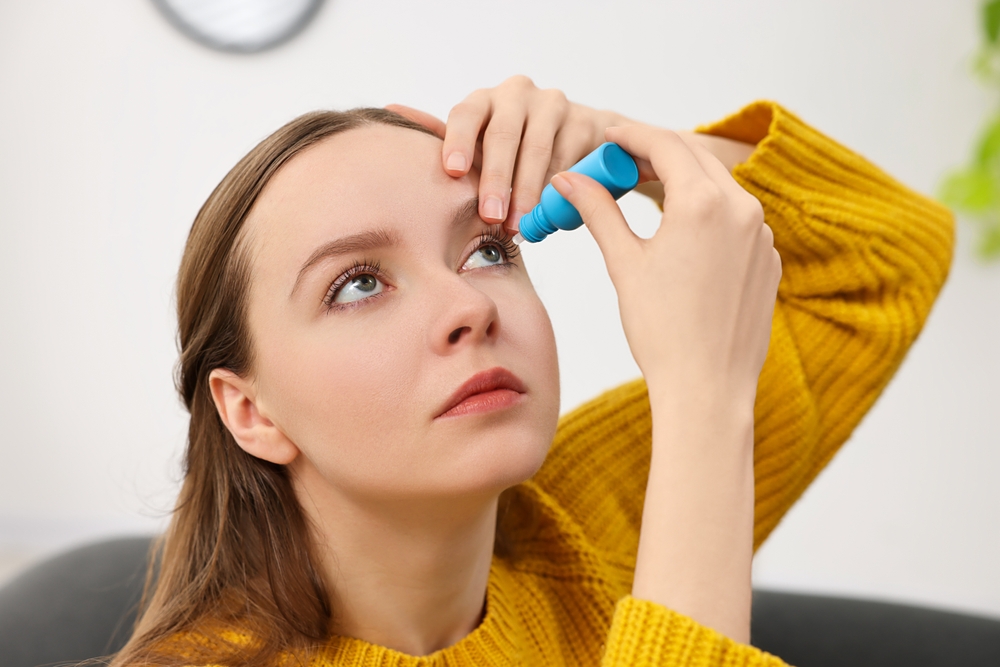
Eye Drops
Eye drops for allergic conjunctivitis are a common treatment option that provides targeted relief for eye symptoms. Over-the- counter eye drops, such as artificial tears, can help soothe and lubricate the eyes, while prescription eye drops, such as antihistamines and corticosteroids, can help reduce inflammation and itching.
For optimal results, always follow the instructions provided by your eye care professional when using eye drops.

Oral Medications
Oral medications, such as antihistamines and decongestants, can help reduce itching, sneezing, and the runny nose that often accompanies allergic conjunctivitis. These medications work by reducing the body’s response to allergens, which in turn helps alleviate eye symptoms.
Oral medications can be taken as needed or on a regular basis, depending on the individual’s needs and the severity of their allergies.

Immunotherapy
Allergy immunotherapy (allergy shots) can be an effective long-term treatment option for individuals with severe or persistent allergic conjunctivitis. This treatment involves administering small doses of allergens over time to help the immune system build up a tolerance to the allergen, thereby reducing the severity of allergic reactions. Immunotherapy should be administered under the supervision of an allergist and may be recommended for individuals who do not respond well to other treatment options.
Surgery (in extreme cases)
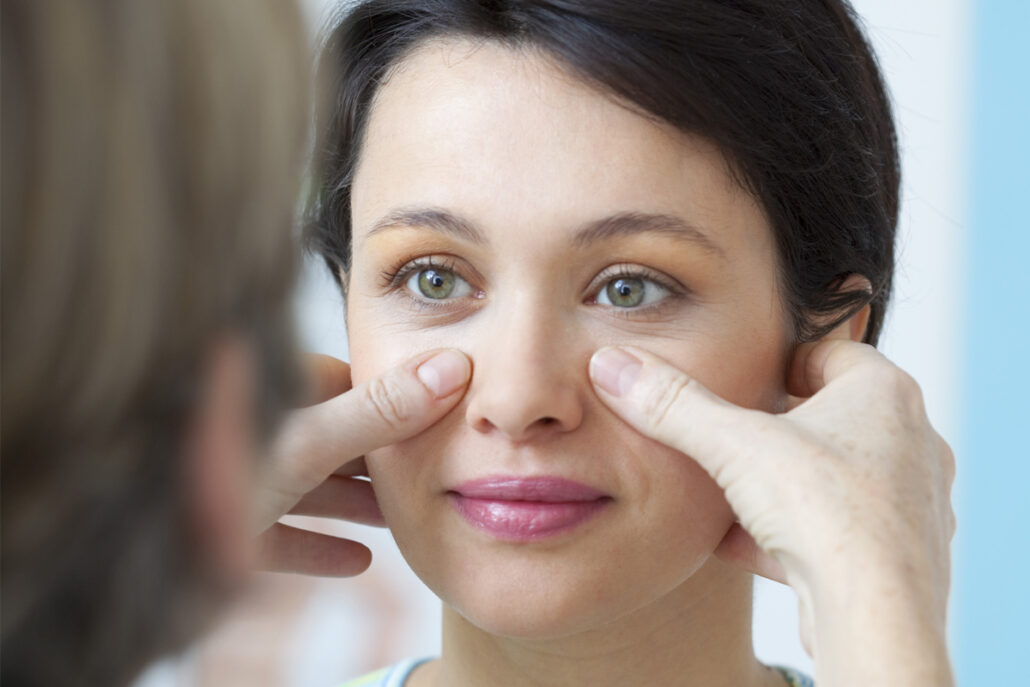
In extreme cases of allergic conjunctivitis, a minor surgery known as “punctal plugging” may be recommended. During this procedure, tiny silicone plugs are inserted into the tear ducts to reduce the amount of tears that escape and prevent allergens from entering the eyes. This can help reduce symptoms and provide long-term relief from eye allergies.

Lifestyle Changes for Eye Care
In addition to medical treatments, making certain lifestyle changes can help manage eye allergy symptoms and improve overall eye health. Some recommended lifestyle changes include:
- Washing your face and hands frequently to remove allergens
- Avoiding rubbing your eyes, as this can worsen symptoms
- Keeping windows closed during high pollen count days
- Frequent washing of clothes in hot water
- Bathing or showering before bedtime


Strategies to Prevent and Minimize the Onset of an Allergic Conjunctivitis Flare-Up
Allergen avoidance is a crucial component of managing allergic conjunctivitis. Identifying and minimizing exposure to allergens can help prevent flare-ups and reduce the severity of symptoms. Strategies for allergen avoidance may include:
- Using air purifiers and dehumidifiers to maintain a clean indoor environment
- Regularly cleaning and vacuuming to reduce dust mites and pet dander
- Stay indoors during pollen season
- Wearing sunglasses to protect the eyes from pollen and other outdoor allergens
- Washing hands frequently and avoiding touching the eyes
Treating Allergic Conjunctivitis
“Awesome doctor, first place I go to that take my allergy symptoms SERIOUS !! Thank you so much.”
— Zanett Davilá

convenient locations in NJ & PA
Why Choose Our Specialists?



Elias Akl, MD
Dr. Elias Akl, is a distinguished allergist and immunologist based in Philadelphia. He holds board certifications in Allergy and Immunology as well as Internal Medicine, showcasing his expertise in multiple medical disciplines.
Dr. Akl is not only board-certified in internal medicine but also a Fellow of the American Academy of Allergy Asthma and Immunology (FAAAAI).

Kathryn Edwards, MD
Dr. Kathryn Edwards, Director of Allergy & Immunology at The Penn Medicine Becker ENT & Allergy Center, is a board-certified allergist and immunologist who specializes in the diagnosis and treatment of allergies, food allergies, skin conditions, and asthma.
She is a highly trained physician with extensive experience in the military, where she served as a pediatrician and chief of Allergy/Immunology. Dr. Edwards provides care for patients of all ages, from neonates to geriatrics.

Naba Sharif, MD
Dr. Naba Sharif is a highly skilled board-certified Allergist and Immunologist with expertise in diagnosing and treating allergies, including environmental and seasonal allergies, food allergies, and asthma. She received her medical degree from SUNY at Stony Brook School of Medicine, completed a Pediatrics residency at Hasbro Children’s Hospital of Brown University, and pursued a fellowship in Allergy and Immunology at the North Shore-Long Island Jewish Health System. She practiced as a Pediatrician and Allergist-Immunologist at Kaiser Permanente in Washington DC, was recognized as a Top Doctor by Washingtonian Magazine from 2016 to 2020, and is a Fellow of the American Academy of Allergy, Asthma & Immunology and the American College of Allergy, Asthma & Immunology. Dr. Sharif is committed to community service, health education, empowerment, and advocacy for the underprivileged.

Jamie Zacharias, MD
Dr. Jamie Zacharias is a highly accomplished and board-certified Allergist and Immunologist who completed her medical degree and residency at Drexel University before pursuing a fellowship at Penn State Hershey Medical Center, where she conducted asthma research.
She is a member of several professional organizations, including the American Academy of Allergy, Asthma, and Immunology, and specializes in treating conditions such as immunodeficiencies, food allergies, and skin disorders like eczema. Deeply rooted in the South Jersey and Philadelphia communities, Dr. Zacharias provides comprehensive care to a broad patient demographic ranging from pediatrics to geriatrics.
Frequently Asked Questions
About Allergic Conjunctivitis
In this section, we will address some of the most common questions about allergic conjunctivitis and its symptoms, causes, and treatments. If you have any additional questions or concerns, consult with an eye care professional or allergist for personalized advice.
Can allergic conjunctivitis be cured?
While there is no cure for allergic conjunctivitis, the condition can be managed effectively with proper treatment, allergen avoidance, and lifestyle changes to minimize symptoms and prevent flare-ups.
How long does it take for allergic conjunctivitis to go away?
The duration of allergic conjunctivitis symptoms varies depending on the individual, exposure to specific allergens, and the severity of the condition. With appropriate treatment, symptoms may improve within a few days or weeks.
Can I wear contact lenses if I have allergic conjunctivitis?
It may be recommended that you avoid wearing contact lenses while experiencing symptoms of allergic conjunctivitis. Contacts can irritate the eyes further and may even trap allergens, prolonging symptoms. Consult your eye care professional for guidance on when it is safe to resume wearing contact lenses
Are there any home remedies for eye allergies?
Home treatment for allergic conjunctivitis can include cold compresses and artificial tears to provide temporary relief from itching and redness. However, you should consult an eye care professional for proper diagnosis and treatment recommendations.
How can I tell if my eye symptoms are caused by allergies or an infection?
Eye allergies typically cause intense itching, redness, and watery or stringy mucus discharge. Viral conjunctivitis, also known as pink eye, may cause similar symptoms but is often accompanied by a burning sensation and starts in one eye before spreading to the other. If you are unsure about the cause of your symptoms, consult with an eye care professional for a proper diagnosis.
Can allergic conjunctivitis be prevented?
While it may not be possible to completely prevent allergic conjunctivitis, you can reduce your risk by avoiding known allergens, keeping your living environment clean, and following the lifestyle changes mentioned earlier in this article.
How long does it take for allergic conjunctivitis symptoms to improve after starting treatment?
The time it takes for symptoms to improve depends on the individual and the treatment option. Some people may experience relief within hours of using eye drops or oral medications, while others may take a few days to see improvement. Immunotherapy is a long-term treatment that gradually reduces symptoms over time.
Are over-the-counter eye drops effective for treating eye allergies?
Over-the-counter eye drops, such as artificial tears, can provide temporary relief for mild to moderate symptoms of allergic conjunctivitis. However, prescription eye drops and oral medications may be more effective for severe or persistent symptoms. Consult with an eye care professional to determine the best treatment option for your specific needs.