




Sleep-Related Breathing Disorders
Evaluation and treatment for breathing problems that occur during sleep.
- Care for snoring, sleep apnea, disrupted airflow, and increased breathing effort.
- Assessment of oxygen, airway, and sleep-quality concerns.
- Personalized treatment to support healthier breathing and restorative sleep.
- Same-day or next-day appointments often available.








Important Medical Notice
The information provided below and throughout this website is presented for general educational purposes only and does NOT constitute professional medical advice. This information is NOT a substitute for professional medical advice and NO material on this site is intended to be a substitute for professional medical advice. Always seek the guidance of your doctor or other qualified health professional with any questions you may have regarding a health or a medical condition. Never disregard the advice of a medical professional or delay in seeking it because of something you have read on this website.
Relief from Sleep Issues
At Penn Medicine Becker ENT & Allergy, our experienced ENT doctors are specially trained to assess the upper airway structures that play a central role in sleep-related breathing. Whether a patient presents with loud snoring, suspected sleep apnea, or more subtle symptoms such as unrefreshing sleep and daytime fatigue, we provide thorough evaluation and personalized care aimed at restoring healthy, unobstructed breathing during sleep.
What are Sleep-Related Breathing Disorders?
Sleep-related breathing disorders are conditions in which normal ventilation is disrupted during sleep, leading to reduced airflow, altered blood gas levels, or fragmented sleep. They range from relatively mild upper airway narrowing to severe, recurrent breathing pauses that place significant strain on the heart and other organ systems. What they share is a common thread: the body’s ability to breathe normally is compromised specifically during sleep, when muscle tone is reduced and the airway is most vulnerable to collapse or obstruction.
These disorders are not always obvious to the patient. Many people are unaware that their breathing is disrupted during sleep and present instead with complaints of fatigue, morning headaches, difficulty concentrating, or mood changes — symptoms that can easily be attributed to other causes.
Types of Sleep-Related Breathing Disorders
Sleep-related breathing disorders are conditions in which normal ventilation is disrupted during sleep, leading to reduced airflow, altered blood gas levels, or fragmented sleep. They range from relatively mild upper airway narrowing to severe, recurrent breathing pauses that place significant strain on the heart and other organ systems. What they share is a common thread: the body’s ability to breathe normally is compromised specifically during sleep, when muscle tone is reduced and the airway is most vulnerable to collapse or obstruction.
These disorders are not always obvious to the patient. Many people are unaware that their breathing is disrupted during sleep and present instead with complaints of fatigue, morning headaches, difficulty concentrating, or mood changes — symptoms that can easily be attributed to other causes.
Obstructive Sleep Apnea (OSA)
Obstructive sleep apnea is the most common sleep-related breathing disorder and occurs when the soft tissues of the upper airway collapse repeatedly during sleep, causing complete or partial blockage of airflow. Each episode — known as an apnea or hypopnea — triggers a brief arousal as the brain signals the airway to reopen. These arousals are often too brief to be remembered but are highly disruptive to sleep architecture. Common symptoms include:
- Loud, persistent snoring
- Gasping or choking during sleep
- Witnessed pauses in breathing
- Morning headaches and dry mouth
- Excessive daytime sleepiness
- Difficulty concentrating or mood disturbances
OSA is associated with serious long-term health risks, including hypertension, cardiovascular disease, stroke, and metabolic dysfunction. It is more common in individuals who are overweight, have a larger neck circumference, or have anatomical features that narrow the upper airway.
Central Sleep Apnea (CSA)
Central sleep apnea occurs when the brain fails to send the appropriate signals to the muscles that control breathing. Unlike OSA, the airway itself may be unobstructed. The problem lies in the neurological drive to breathe. CSA is less common than OSA and is often associated with underlying conditions such as heart failure, stroke, or the use of opioid medications. It may also occur in combination with OSA in a pattern known as complex or mixed sleep apnea.
Sleep-Related Hypoventilation
Sleep-related hypoventilation refers to a pattern of insufficient breathing during sleep that leads to an abnormal rise in carbon dioxide (CO2) levels in the blood. Rather than discrete apnea events, hypoventilation involves shallow or slow breathing that fails to adequately exchange gases. This condition is commonly seen in patients with obesity, chronic lung disease, or neuromuscular conditions, and is associated with morning headaches, fatigue, and cognitive fog.
Upper Airway Resistance Syndrome (UARS)
Upper Airway Resistance Syndrome occupies a position on the spectrum between normal breathing and frank obstructive sleep apnea. In UARS, the airway narrows during sleep, creating increased resistance to airflow without the complete collapse seen in OSA. The effort required to breathe against this resistance produces frequent micro-arousals that fragment sleep without causing significant oxygen desaturation. Patients with UARS often present with significant fatigue and non-restorative sleep but may not have the classic snoring or obvious apnea events associated with OSA, making it a commonly overlooked condition.
Clinical Variables Measured During a Sleep Study
When a patient enters a sleep lab for evaluation of a suspected breathing disorder, our team measures the following variables to characterize the nature and severity of the problem:
- Apnea-Hypopnea Index (AHI): The number of apneas and hypopneas per hour of sleep. The AHI is the primary metric used to grade OSA severity — mild (5–14 events/hour), moderate (15–29 events/hour), and severe (30 or more events/hour).
- Oxygen Desaturation Index (ODI): The number of times per hour that blood oxygen levels drop by 3–4 percent or more from baseline. The ODI complements the AHI and helps quantify the physiological impact of breathing disruptions on oxygen availability throughout the night.
- Sleep Architecture (N1, N2, N3, REM): The distribution of sleep stages across the night. Breathing disorders typically suppress deep sleep (N3) and REM sleep, leaving patients in lighter, less restorative stages.
- Arousal Index: The number of times per hour the brain briefly activates out of sleep. In OSA and UARS, arousals are directly triggered by breathing events and are a key measure of how much the disorder is fragmenting rest.
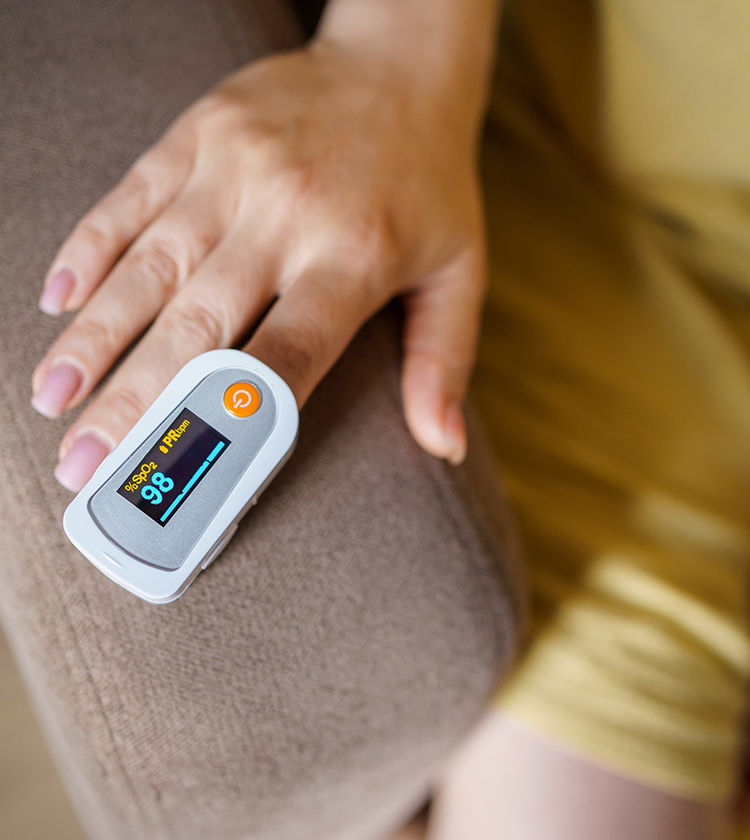
- Pulse Oximetry: Continuous monitoring of blood oxygen saturation throughout the night. Repeated desaturations are a hallmark of OSA and sleep-related hypoventilation and help guide decisions about treatment urgency.
- Capnography: Measurement of CO2 levels during sleep. Elevated CO2 is a defining feature of sleep-related hypoventilation and helps distinguish this condition from other breathing disorders.
- Sleep Hygiene: Environmental and behavioral factors are reviewed as part of every sleep evaluation to identify any modifiable contributors to the patient’s symptoms alongside the breathing disorder itself.

The Role of ENT in Evaluating and Treating Breathing Disorders
Because sleep-related breathing disorders so frequently originate in the upper airway, ENT specialists are uniquely positioned to evaluate and treat them. Structural factors — including a deviated nasal septum, enlarged turbinates, enlarged tonsils or adenoids, and excessive soft palate or uvula tissue — can all contribute to airway narrowing or collapse during sleep. Our team performs thorough anatomical evaluations and can recommend a range of interventions depending on the site and severity of obstruction, from nasal treatments and oral appliances to surgical procedures designed to improve airway patency.
Treatment is always individualized. Some patients benefit most from positive airway pressure therapy, while others are better served by anatomical correction of the airway. In many cases, a combination of approaches produces the best outcome.
“5 stars – Outstanding Experience with Dr. Robert Mignone and the Team!
I recently saw Dr. Robert Mignone at Penn Medicine Becker ENT & Allergy for issues with a deviated septum, sleep apnea, and allergies. He was incredibly thorough, listened to all my concerns, and provided a clear, comprehensive plan—including surgical options if needed. I left feeling informed and optimistic.
What made the visit even better was the efficient front office and the ability to complete all paperwork and provide my information in advance through the website/portal from home. I hate filling out redundant forms in the waiting room, and this online process made everything quicker, less stressful, and reduced my wait time significantly. The whole experience was smooth from start to finish!
Highly recommend Dr. Mignone and the practice to anyone with ENT or allergy needs.”
— John Melendez

convenient locations in NJ & PA
Frequently Asked Questions About
Sleep-Related Breathing Disorders
How do I know if I have sleep apnea?
Common signs of obstructive sleep apnea include loud and persistent snoring, witnessed pauses in breathing, gasping or choking at night, waking with a dry mouth or headache, and significant daytime sleepiness despite a full night in bed. However, not all patients experience obvious symptoms, particularly in milder cases or in UARS. A formal sleep study is the only reliable way to confirm a diagnosis and determine the type and severity of any breathing disorder present.
What is the difference between obstructive and central sleep apnea?
In obstructive sleep apnea, breathing pauses occur because the physical airway collapses or becomes blocked. In central sleep apnea, the airway may be open, but the brain does not consistently send the signals needed to initiate a breath. The distinction matters because the two conditions respond differently to treatment — OSA is typically addressed through airway-focused interventions, while CSA requires treatment of the underlying neurological or cardiovascular contributors.
What is UARS and why is it often missed?
Upper Airway Resistance Syndrome involves increased resistance to airflow during sleep without the complete airway collapse or significant oxygen drops seen in OSA. Despite the milder physiological changes, UARS causes frequent micro-arousals that fragment sleep and produce fatigue, difficulty concentrating, and reduced quality of life. It is often underdiagnosed because standard sleep study criteria may not fully capture the subtle arousals that define the condition, and patients may not present with the snoring or sleepiness typically associated with sleep apnea.
What does it mean if my oxygen levels drop during sleep?
Oxygen desaturation during sleep indicates that breathing disruptions are preventing adequate gas exchange. Repeated drops in blood oxygen can strain the cardiovascular system, disrupt sleep architecture, and contribute to systemic inflammation. The Oxygen Desaturation Index recorded during a sleep study helps quantify how frequently these drops occur and how significant they are, which in turn guides decisions about the urgency and type of treatment needed.
Can structural issues in the nose or throat cause sleep apnea?
Yes. Anatomical factors play a significant role in many cases of obstructive sleep apnea and UARS. A deviated nasal septum, enlarged inferior turbinates, nasal polyps, enlarged tonsils or adenoids, or a long soft palate can all contribute to upper airway narrowing during sleep. Identifying and addressing these structural contributors is a core part of what an ENT evaluation adds to the management of sleep-related breathing disorders.
What sleep-related breathing disorder treatment is near me?
If you live in New Jersey or Pennsylvania, Penn Medicine Becker ENT & Allergy offers evaluation and treatment for the full spectrum of sleep-related breathing disorders across multiple convenient locations. For a full list of offices, please visit our Locations page.