




Functional Endoscopic Evaluation of Swallowing (FEES)
FEES is a minimally invasive evaluation for swallowing difficulties and dysphagia.
- Direct assessment of swallowing function with a flexible endoscope.
- Identification of aspiration, residue, and swallowing safety concerns.
- Personalized evaluation by experienced speech-language pathologists.
- Same-day or next-day appointments often available.








Important Medical Notice
The information provided below and throughout this website is presented for general educational purposes only and does NOT constitute professional medical advice. This information is NOT a substitute for professional medical advice and NO material on this site is intended to be a substitute for professional medical advice. Always seek the guidance of your doctor or other qualified health professional with any questions you may have regarding a health or a medical condition. Never disregard the advice of a medical professional or delay in seeking it because of something you have read on this website.
Swallowing disorders can significantly impact quality of life, making it difficult to eat or drink comfortably. A FEES exam allows our specialists to thoroughly assess the swallowing mechanism, identify any structural or functional abnormalities, and develop targeted treatment plans. This page provides a comprehensive guide to the FEES procedure, including its purpose, preparation, the procedure itself, post-procedure expectations, potential risks, and frequently asked questions.
What is Functional Endoscopic Evaluation of Swallowing (FEES)?
FEES is a diagnostic procedure performed by a speech-language pathologist to evaluate the swallow function. The procedure involves passing a thin, flexible endoscope through the nasal passage to directly visualize the throat (pharynx) and the voice box (larynx) while the patient swallows different consistencies of food and liquid.
Unlike other swallowing tests, such as a modified barium swallow study (MBS), FEES does not require radiation exposure. Instead, it provides a real-time, detailed view of the swallowing process, allowing for precise diagnosis and individualized treatment planning.

Why is FEES Used?
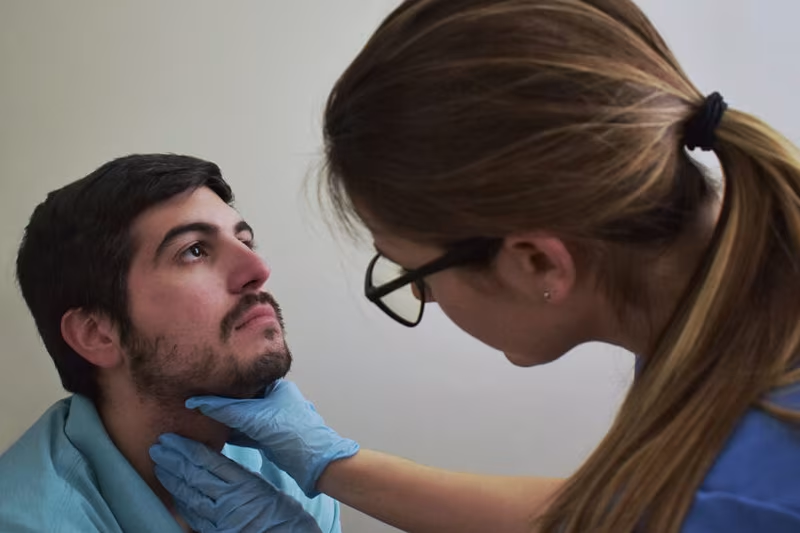
FEES is used to evaluate and diagnose swallowing difficulties that may arise from various medical conditions. Swallowing disorders can result from neurological conditions, structural abnormalities, or post-surgical complications. They can also occur simply due to age. A FEES procedure is especially useful for:
Assessing swallowing function
FEES allows specialists to determine how well food and liquids move from the back of the tongue through the throat into the esophagus.

Identifying aspiration risk
The procedure detects whether food or liquid is entering the airway, which can lead to aspiration pneumonia.

Diagnosing underlying causes of dysphagia
FEES helps pinpoint structural issues, muscle weakness, or coordination problems affecting swallowing.

Evaluating progress in therapy
Patients undergoing swallowing therapy may have repeat FEES assessments to monitor improvements over time.

Guiding treatment decisions
The results help healthcare providers determine dietary modifications, therapeutic exercises, or medical interventions to improve swallowing safety and efficiency.
How to Prepare for the FEES Procedure
Proper preparation for FEES helps ensure accurate results and a smooth experience. Before the procedure, your speech pathologist will review your medical history to identify any factors that may affect the evaluation. It is important to follow all provided instructions to ensure the most effective assessment and minimize potential complications.
Patients should follow these guidelines before undergoing the procedure:
-
Medical History Review
Inform your clinician about any medical conditions, medications, or allergies.
-
Comfortable Clothing
Wear loose, comfortable clothing, as you may need to remain in a seated position for the duration of the evaluation.
-
Food
Bring foods with you the day of the test that cause particular issues so your clinician can use them during the exam and assess directly what is causing the difficulty.
What Happens During the FEES Procedure?
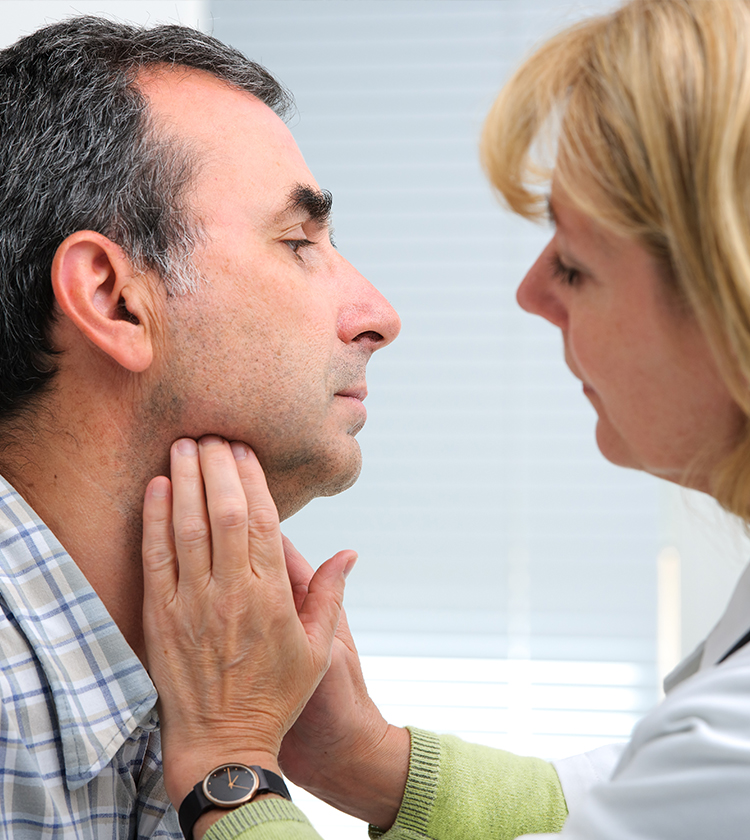
The FEES procedure is a quick, minimally invasive test that provides detailed information about swallowing function. The test is conducted in an outpatient setting, and patients remain awake and alert throughout. A trained specialist carefully guides the process to ensure comfort and accuracy.
- Application of Topical Anesthetic – A numbing spray or gel may be applied to the nasal passages to reduce discomfort during the endoscope insertion.
- Endoscope Insertion – A thin, flexible endoscope is carefully passed through one nostril and guided down to the throat. Patients may experience mild pressure or a tickling sensation.
- Swallowing Assessment – The patient is asked to swallow different types of food and liquid, often mixed with a safe, colored dye to enhance visibility.
- Real-Time Visualization – The specialist observes the movement of food and liquid through the throat, assessing any abnormalities, aspiration, or muscle coordination issues.
- Completion and Discussion – The endoscope is removed, and the provider may review the video footage with the patient, discussing preliminary findings and potential next steps.
What Happens After FEES?
Most patients recover quickly from FEES and can resume normal activities immediately. The results of the evaluation will be discussed with you following the procedure, and a comprehensive treatment plan may be recommended. Any necessary follow-ups or additional testing will also be arranged.
The post-procedure process typically includes:
- Immediate Feedback – Your healthcare provider will explain the initial findings and discuss potential treatment options.
- Symptom Monitoring – Mild throat irritation or nasal discomfort may occur but should resolve within a few hours.
- Follow-Up Appointments – Additional consultations may be scheduled to review a detailed report and implement necessary dietary modifications, therapy, or medical interventions.



What Are the Risks of FEES?
FEES is a safe and well-tolerated procedure, but as with any medical test, there are some potential risks. These risks are minimal and rarely result in serious complications. Your healthcare provider will take precautions to ensure the procedure is as comfortable and risk-free as possible.
FEES is considered a low-risk procedure, but minor side effects and complications may include:
Mild Discomfort
Some patients experience temporary nasal irritation or gagging.
Nosebleeds
Minimal bleeding from the nasal passages can occur, particularly in individuals prone to nasal dryness or irritation.
Laryngospasm
Rarely, a temporary spasm of the vocal cords may cause brief difficulty breathing.
Infection Risk
While extremely rare, there is a slight possibility of infection at the site of endoscope insertion.
“Finished a series of extraordinarily helpful therapy sessions with Speech-Language Pathologist Carly Schiff, following a superb test/evaluation visit that I have reviewed separately. Each therapy session focused on particular aspects of my condition (speech, swallowing and associated breathing), and was a truly educational experience. She really took the time for the exercises to be clearly explained and practiced, providing me with good understanding of their rationale and function in my recovery. In addition to being an extremely talented and caring professional, she has a great friendly and helpful attitude.”
— RIM

Philadelphia Locations and Contact Information
Becker ENT & Allergy offers FEES evaluations at multiple convenient locations in Philadelphia. Our expert team is available to help you manage swallowing difficulties and improve your overall quality of life. To schedule an appointment, please contact one of our offices below.
For appointments or more information, visit www.beckerentandallergy.com.
South Street Office
1740 South St Suite 401 Philadelphia, PA 19146
Phone: (215) 671-6330
convenient locations in NJ & PA
Frequently Asked Questions About
FEES
Is FEES painful?
Some patients experience minimal discomfort during the FEES procedure though most experience no discomfort at all. A topical anesthetic is used to numb the nasal passages, which reduces any potential discomfort during the procedure.
How long does the FEES procedure take?
The entire FEES apt typically takes about 45 minutes to complete, including discussion, preparation and post-procedure discussion. The actual examination portion is about 10 minutes.
Can I eat before the procedure?
Yes, you can eat and drink normally before your procedure.
Will I need sedation?
No, sedation is not required for FEES. The procedure is well-tolerated with only a topical anesthetic for comfort.
What happens if I have abnormal results?
Your provider will discuss treatment options if abnormalities are found. These may include swallowing therapy, dietary changes, or further medical intervention.
Can FEES be done at bedside?
Yes, FEES is portable and can be performed in various settings, including hospitals and nursing facilities. This makes it convenient for patients with mobility challenges. However, Becker ENT does not provide mobile FEES.
How does FEES compare to a modified barium swallow study?
FEES provides a direct view of the throat without radiation, while a modified barium swallow study (MBS) uses X-rays to assess swallowing. Both tests offer valuable information but differ in their approach and setting. FEES however does not directly image the oral cavity or below the esophageal inlet. So there are times when a modified barium swallow may be requested after a FEES is performed if your speech pathologist suspects the issue lies in a location a FEES could not directly view.
Who is a good candidate for FEES?
Individuals who are experiencing difficulty swallowing, frequent choking, or unexplained weight loss may benefit from FEES. The diagnostic procedure is particularly useful for those with neurological conditions, a history of head and neck cancer, or post-surgical complications.
Are there alternatives to FEES?
Yes, other diagnostic options include videofluoroscopy or manometry, depending on the condition being evaluated. Your provider will determine the best approach based on your specific symptoms.
Is FEES covered by insurance?
Most insurance plans cover FEES when it is deemed medically necessary. It is recommended to check with your insurance provider for specific coverage details.