




Sinus Pressure and Pain: Expert Care in Philadelphia, PA
Expert care for sinus pressure, facial pain, headaches, and blocked breathing.
- Evaluation of inflamed or obstructed sinus passages.
- Diagnosis of infection, allergy, structural, and chronic sinus causes.
- Personalized medical and procedural treatment options.
- Same-day or next-day appointments often available.








Important Medical Notice
The information provided below and throughout this website is presented for general educational purposes only and does NOT constitute professional medical advice. This information is NOT a substitute for professional medical advice and NO material on this site is intended to be a substitute for professional medical advice. Always seek the guidance of your doctor or other qualified health professional with any questions you may have regarding a health or a medical condition. Never disregard the advice of a medical professional or delay in seeking it because of something you have read on this website.
At Becker ENT & Allergy, our experienced specialists provide expert diagnosis and treatment for sinus pressure and pain. Whether your symptoms are due to seasonal allergies, chronic sinusitis, or structural issues, we offer comprehensive care to relieve discomfort and restore normal sinus function.
Types of Sinus Pressure and Pain
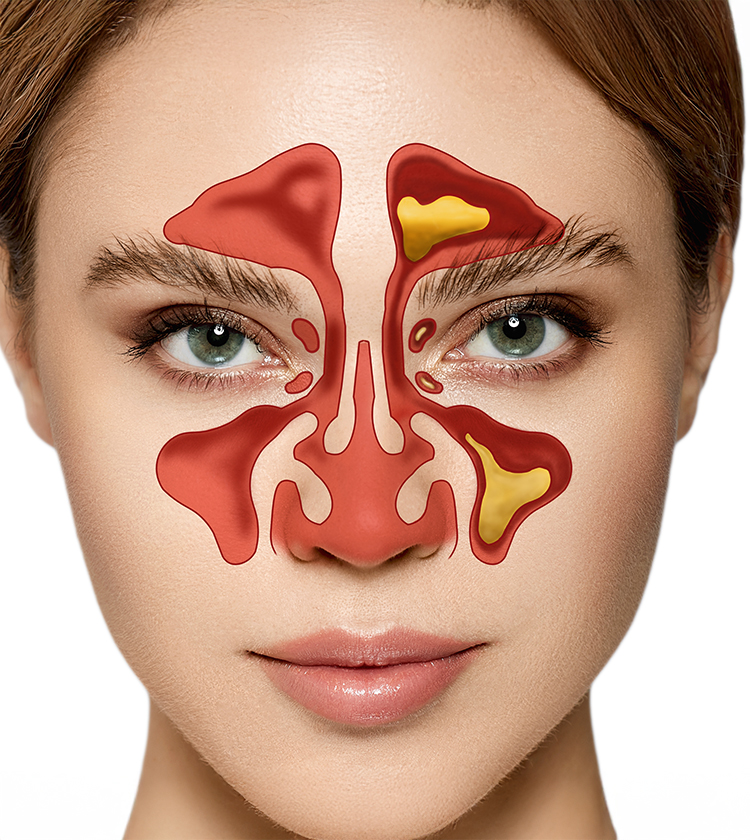
Sinus pressure and pain can manifest in different ways, depending on the underlying cause and the affected sinus cavities. Sinus pain can occur in different areas of the face and head, depending on which sinuses are affected. Each sinus cavity is located in a specific part of the skull, and inflammation or blockage in any of these areas can lead to varying degrees of discomfort. Understanding the different types of sinus pressure and pain can help individuals recognize their symptoms and seek appropriate treatment. Sinus pressure can sometimes be mistaken for tension headaches or migraines, making proper diagnosis essential for effective relief. The four primary types include:
-
Frontal Sinus Pain
Located above the eyebrows, pressure and discomfort in this area often worsen when bending forward.
-
Maxillary Sinus Pain
Found in the cheekbones, pain here may resemble a toothache.
-
Ethmoid Sinus Pain
Between the eyes and near the nose bridge, pressure in this area can cause deep, dull pain and contribute to nasal congestion.
-
Sphenoid Sinus Pain
Located deeper in the skull, this type of sinus pain is less common but can cause pain at the top of the head or behind the eyes.

What Causes Sinus Pressure and Pain?
Sinus pressure and pain are often caused by inflammation, infection, or structural abnormalities. These issues can develop gradually or suddenly, depending on the underlying condition. In many cases, sinus discomfort is linked to infections, environmental triggers, or chronic sinus diseases. Understanding the various causes of sinus pressure and pain can help patients determine when to seek medical attention and what treatments may be most effective. Addressing the root cause of the issue is crucial for long-term symptom relief. Common causes include:
Sinus infections (sinusitis)
Allergies
Hay fever and other allergic reactions can trigger sinus inflammation and congestion.
Nasal polyps
Noncancerous growths in the nasal passages can block airflow and contribute to sinus pain and pressure.
Deviated septum
A crooked nasal septum can impact drainage of the sinuses.
Colds and Upper Respiratory Infections
Viral infections can lead to temporary sinus blockages and pressure.
Environmental Irritants
Exposure to pollutants, smoke, or strong odors can cause sinus irritation.
Changes in Air Pressure
Flying, diving, or altitude changes can affect sinus pressure.
Symptoms of Sinus Pressure and Pain
Symptoms of sinus pressure and pain can vary in intensity and duration. In some cases, sinus pressure may present as mild discomfort, while in others, it can lead to severe headaches and prolonged congestion. The symptoms often overlap with other conditions such as allergies or the common cold, making it important to differentiate sinus-related issues from other health concerns. Recognizing these symptoms early can help patients seek appropriate care before the condition worsens. Common symptoms include:
- Facial pain or pressure (forehead, cheeks, nose, or around the eyes)
- Nasal congestion or blockage
- Headaches, especially around the forehead or eyes
- Postnasal drip (mucus draining down the throat)
- Decreased sense of smell and taste
- Ear pressure or fullness
- Fatigue and general discomfort
- Fever (if due to an infection)

Risk Factors for Developing Sinus Pressure and Pain
Certain individuals are more prone to sinus pressure and pain due to underlying conditions or environmental exposures. While sinus issues can affect anyone, some people are more likely to experience frequent or chronic symptoms. Being aware of the risk factors can help individuals take preventive measures and seek medical advice when necessary. By managing contributing conditions and avoiding known triggers, individuals can reduce their chances of developing sinus problems. Risk factors include:
- Chronic allergies
- Frequent colds or respiratory infections
- Nasal structural issues, such as a deviated septum
- Exposure to smoke, pollution, or allergens
- Weakened immune system
- Frequent air travel
- Asthma or other respiratory conditions
Sinus Pressure and Pain: Consultation & Diagnosis
If you are experiencing persistent sinus pressure and pain, a consultation with our Philadelphia ENT specialists can help identify the root cause and determine an appropriate treatment plan. During your visit, our doctors will:
- Review your symptoms and medical history
- Perform a physical examination of the nose and sinuses
- Conduct imaging tests (such as CT scans) if necessary
- Discuss lifestyle factors and environmental triggers

“I had sinus surgery three weeks ago and it was a very positive experience. The medical assistant was professional, courteous, caring and welcoming. She put me at ease, especially post op when I was nervous it may hurt. The front desk was professional. I would definitely recommend using this practice, it’s very professional and an excellent surgeon.”
— Diane Costantini

Treatment Options for Sinus Pressure and Pain
Accurate diagnosis is key to effective treatment. Depending on the cause, treatment may include:
-
Non-Surgical Treatments
For many patients, non-surgical treatments provide significant relief from sinus pressure and pain. These treatments focus on reducing inflammation, alleviating symptoms, and preventing future issues.
- Over-the-Counter Medications: Decongestants, antihistamines, and pain relievers can reduce symptoms.
- Nasal Irrigation: Saline rinses help clear mucus and allergens.
- Allergy Management: Identifying and avoiding triggers, along with antihistamines or immunotherapy.
- Nasal Corticosteroids: Reduce inflammation and improve sinus drainage.
- Antibiotics: If a bacterial infection is diagnosed.
-
Surgical Treatments
When non-surgical treatments are ineffective, surgical options may be considered to provide long-term relief.
- Balloon Sinuplasty: A minimally invasive procedure to open blocked sinuses.
- Functional Endoscopic Sinus Surgery (FESS): Removes obstructions for improved airflow.
- Septoplasty: Corrects a deviated septum to improve nasal breathing.

Preventing Sinus Pressure and Pain
Prevention is key when it comes to managing sinus pressure and pain. Simple lifestyle changes and proactive care can help individuals avoid recurring sinus issues. However, if symptoms persist despite at-home efforts, it may be time to seek immediate sinus infection treatment to stop the problem before it escalates. Maintaining good nasal health and avoiding known triggers can significantly reduce the risk of sinus inflammation and discomfort.
- Stay hydrated to keep mucus thin.
- Use a humidifier to maintain proper moisture levels.
- Avoid known allergens that trigger sinus problems.
- Practice good hand hygiene to prevent infections.
- Manage allergies with appropriate medications.


Why Choose an ENT Specialist?
An ear, nose, and throat (ENT) specialist is uniquely trained to diagnose and treat a wide range of sinus conditions, including chronic sinus pressure and pain. ENT doctors have specialized knowledge in nasal anatomy, sinus function, and advanced treatment options. Seeking care from an ENT specialist ensures that patients receive a precise diagnosis and effective treatment tailored to their individual needs.
At Becker ENT & Allergy, we use state-of-the-art diagnostic tools to assess sinus health and identify underlying conditions that contribute to persistent sinus issues. Our team is dedicated to providing patient-centered care, offering both non-surgical and surgical treatment options to achieve long-term relief. Whether you suffer from occasional sinus discomfort or chronic sinusitis, our specialists will work with you to develop a customized treatment plan that best suits your lifestyle and health goals.
Choosing an ENT doctor ensures:
- A thorough and accurate diagnosis
- Access to state-of-the-art procedures
- Personalized treatment plans
- Long-term relief from sinus issues
Philadelphia Locations and Contact Information
Our practice has multiple convenient locations in Philadelphia. Contact us today to schedule a consultation and find relief from sinus pressure and pain.
South Street Office
1740 South St Suite 401 Philadelphia, PA 19146
Phone: (215) 671-6330
convenient locations in NJ & PA
Frequently Asked Questions
About Sinus Pressure and Pain
How do I know if my sinus pain is due to an infection?
If your sinus pain is accompanied by thick yellow or green nasal discharge, fever, and persistent congestion lasting more than 10 days, you may have a sinus infection that requires medical attention. Bacterial sinus infections may require antibiotic treatment, whereas viral infections often resolve on their own with supportive care.
When should I see an ENT specialist for sinus pressure?
You should see an ENT specialist if your sinus pressure and pain persist for more than 10 days, worsen after initially improving, or if you experience frequent recurrent sinus infections. Other signs that warrant a consultation include severe facial pain, difficulty breathing through your nose, and symptoms that do not improve with over-the-counter treatments.
Can allergies cause sinus pressure and pain?
Yes, allergies can trigger inflammation and congestion in the sinuses, leading to sinus pressure and discomfort. Seasonal allergies, pet dander, dust, and mold are common allergens that can contribute to sinus issues. Allergy management, including antihistamines, nasal sprays, and allergen avoidance, can help reduce symptoms.
What are some effective home remedies for sinus relief?
Home remedies that may help alleviate sinus pressure and pain include using a humidifier, performing saline nasal irrigation, applying warm compresses to the face, drinking plenty of fluids, and inhaling steam. Over-the-counter decongestants and antihistamines may also provide temporary relief.
Will I need surgery for my sinus issues?
Surgery is typically considered for patients who suffer from chronic sinusitis, nasal polyps, or structural abnormalities such as a deviated septum that do not respond to non-surgical treatments. Procedures like balloon sinuplasty, functional endoscopic sinus surgery (FESS), or septoplasty can provide long-term relief for persistent sinus problems.
How long does a sinus infection last?
The duration of a sinus infection depends on whether it is viral or bacterial. Viral sinus infections typically last 7-10 days and improve with symptomatic treatment, while bacterial infections may persist longer and require antibiotic therapy. Chronic sinus infections can last several weeks or even months and may need specialized treatment.
Can I prevent sinus infections?
Yes, you can reduce the risk of sinus infections by practicing good hygiene, avoiding known allergens, staying hydrated, and managing allergies effectively. Nasal irrigation with saline solution can also help keep the nasal passages clear and prevent mucus buildup.
What is balloon sinuplasty?
Balloon sinuplasty is a minimally invasive procedure used to treat chronic sinusitis by opening blocked sinus passages. During the procedure, a small balloon is inserted into the affected sinus cavity and inflated to widen the sinus openings, allowing for better drainage and airflow. This procedure is often performed in-office and has a shorter recovery time compared to traditional sinus surgery.
How does a deviated septum contribute to sinus problems?
A deviated septum occurs when the nasal septum, the cartilage and bone that separates the nasal cavities, is displaced to one side. This can obstruct airflow and lead to chronic nasal congestion, increased susceptibility to sinus infections, and difficulty breathing through the nose. Septoplasty is a surgical procedure that corrects a deviated septum to improve nasal airflow.
What should I expect during my ENT consultation?
During your ENT consultation, the doctor will review your symptoms and medical history, perform a physical examination, and may recommend diagnostic tests such as nasal endoscopy or a CT scan to assess your sinuses. Based on the findings, a personalized treatment plan will be developed, which may include medication, lifestyle modifications, or surgical options if necessary.
If you are experiencing persistent sinus pressure and pain, contact our Philadelphia ENT specialists today to schedule an appointment and explore effective treatment options for long-term relief.