




Sinus Headaches: Causes, Symptoms, Treatment & Prevention
Evaluation and treatment for headaches caused by sinus inflammation and congestion.
- Care for pressure in the forehead, eyes, cheeks, and upper teeth.
- Diagnosis to distinguish sinus headaches from migraines and tension headaches.
- Treatment focused on the underlying sinus condition.
- Same-day or next-day appointments often available.








Important Medical Notice
The information provided below and throughout this website is presented for general educational purposes only and does NOT constitute professional medical advice. This information is NOT a substitute for professional medical advice and NO material on this site is intended to be a substitute for professional medical advice. Always seek the guidance of your doctor or other qualified health professional with any questions you may have regarding a health or a medical condition. Never disregard the advice of a medical professional or delay in seeking it because of something you have read on this website.
If left untreated, sinus headaches can become chronic and are associated with sinus infections or worsening of underlying conditions. Fortunately, expert care from an experienced ENT specialist can help identify the root cause and provide effective relief. For persistent or severe symptoms, seeking professional sinus infection care can prevent complications and ensure faster recovery.
Types of Sinus Headaches
Sinus headaches can vary based on the underlying cause and severity. While many individuals experience occasional headaches due to sinus pressure, others suffer from chronic and recurring sinus-related headaches. Understanding the different types of sinus headaches can help guide treatment and prevention strategies.
-
Acute Sinus Headache
This type of sinus headache occurs due to an acute sinus infection (acute sinusitis) and is usually accompanied by nasal congestion, facial pressure, and sometimes fever. It is often triggered by a viral or bacterial infection and typically lasts for a few days to a couple of weeks.
-
Chronic Sinus Headache
Linked to chronic sinusitis, this type of headache is characterized by ongoing or recurrent sinus inflammation lasting for weeks or even months. Individuals with chronic sinusitis may experience dull, persistent headaches accompanied by nasal congestion, postnasal drip, and facial pain.
-
Allergy-Induced Sinus Headache
Allergic reactions to pollen, dust mites, mold, or pet dander can lead to sinus inflammation and congestion, causing headaches. These headaches are often seasonal and occur alongside other allergy symptoms such as sneezing and itchy eyes.
-
Recurrent Sinus Headache
Some individuals suffer from periodic sinus headaches due to repeated sinus infections or underlying nasal conditions. Identifying and treating the root cause is crucial to reducing recurrence.
What Causes Sinus Headaches?
Sinus headaches can arise from various causes, many of which are related to sinus inflammation and obstruction of normal drainage pathways. When the sinuses become swollen, inflamed, or blocked, pressure builds up, leading to discomfort and headaches.
Sinus infections (sinusitis)
Bacterial, viral, or fungal (less common) infections can cause inflammation in the sinus cavities, leading to increased mucus production and congestion, which contributes to sinus headaches.
Allergies
Seasonal or chronic allergies can cause sinus swelling and mucus buildup, increasing the likelihood of sinus-related headaches.
Nasal polyps
These benign growths in the nasal passages can obstruct proper sinus drainage, causing pressure and discomfort.
Deviated septum
A structural nasal issue where the nasal septum is misaligned, potentially blocking nasal passages and contributing to blockage of the sinus drainage pathways.
Environmental factors
Exposure to cigarette smoke, air pollution, strong perfumes, or chemicals can irritate the sinuses and lead to headaches.
Weather changes
Shifts in barometric pressure can affect sinus cavities, causing inflammation and increased discomfort in individuals prone to sinus headaches.
Symptoms of Sinus Headaches
Sinus headaches often share symptoms with other types of headaches, such as migraines and tension headaches. However, certain key features help differentiate them from other headache types.
- Facial pain and pressure – A hallmark symptom of sinus headaches, the pain is often localized around the forehead, eyes, and cheeks.
- Nasal congestion or runny nose – Unlike migraines, sinus headaches often involve significant nasal symptoms.
- Postnasal drip – Mucus draining down the back of the throat can cause irritation and coughing.
- Pain that worsens with movement or bending forward – Sinus pressure tends to increase when leaning forward due to fluid shifting within the sinus cavities.
- Ear fullness or pressure – Sinus congestion can extend to the Eustachian tubes, causing ear-related discomfort.
- Fatigue and difficulty concentrating – Persistent sinus pressure can contribute to general fatigue and cognitive fog.
- Fever (in cases of infection-related sinus headaches) – If a bacterial infection is present, fever and thick nasal discharge may also occur.
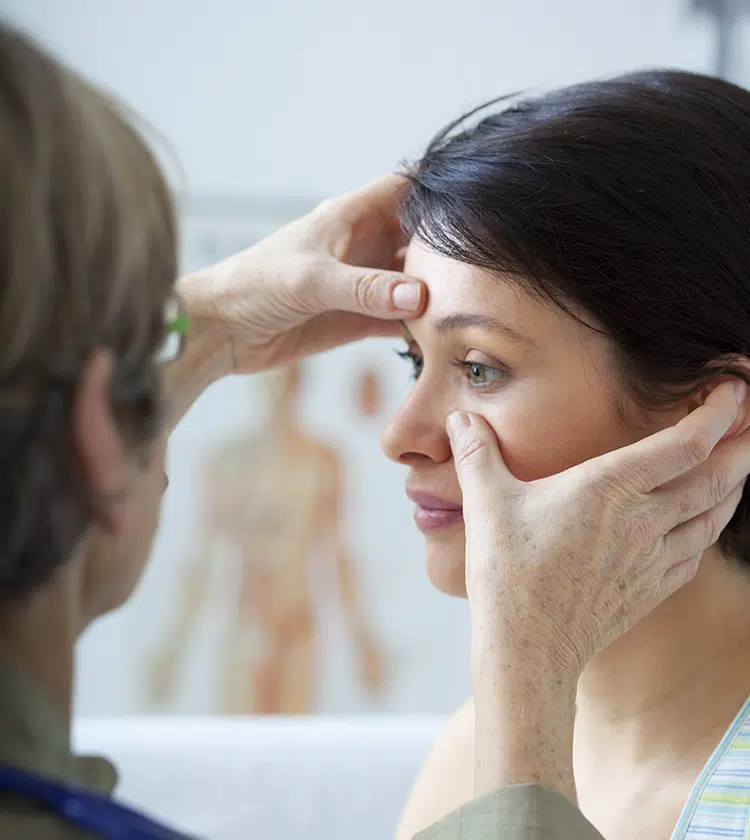
- Tenderness around the nose and sinus areas – Touching certain areas of the face may elicit discomfort due to sinus inflammation.
Risk Factors for Developing Sinus Headaches
Some individuals are more prone to developing sinus headaches due to certain predispositions or lifestyle factors. Recognizing these risk factors can help in early intervention and prevention.
- Frequent colds or respiratory infections – Repeated upper respiratory infections increase the likelihood of sinus infections and headaches.
- Seasonal or chronic allergies – Allergic reactions can contribute to ongoing sinus inflammation and headache development.
- Structural issues like nasal polyps or a deviated septum – These abnormalities may block normal sinus drainage, leading to pressure buildup.
- Exposure to smoke, pollution, or strong odors – Environmental irritants can exacerbate sinus inflammation.
- Weakened immune system or chronic illnesses – Individuals with conditions such as diabetes or autoimmune disorders may be more susceptible to sinus infections.
- Frequent travel or air pressure changes – Air travel and changes in altitude can affect sinus pressure, triggering headaches.

Sinus Headache Consultation and Diagnosis
Seeking professional medical care is essential for accurate diagnosis and effective treatment of sinus headaches. At Becker ENT & Allergy, our specialists conduct a detailed assessment to determine the cause and appropriate treatment plan.
Medical History Review
Our specialists will ask about your headache patterns, frequency, severity, and possible triggers to better understand your condition.
Physical Examination
A thorough examination of the nasal passages, sinuses, and facial areas will help identify inflammation, congestion, or tenderness.
Imaging Tests
If necessary, a CT scan or X-ray may be recommended to detect blockages, structural abnormalities, or chronic sinus infections.
Allergy Testing
If allergies are suspected, skin or blood tests may be performed to identify specific allergens contributing to sinus issues.
Nasal Endoscopy
Using a small endoscope inserted into the nasal passages, an ENT specialist can directly visualize the sinuses and detect obstructions, polyps, or infections.
After a comprehensive evaluation, our specialists will discuss your diagnosis and recommend a personalized treatment plan to relieve your symptoms and prevent recurrence.
“Finally gave up on almost everyone until I decided to check out ENT Doctors. Checked for most reliable and found Dr. Becker. Highest rated in the area. After almost a year of suffering and not being helped, one visit to them and I can breathe, no headache, stopped the dizziness, no stumbling around and full nights of sleep. Can’t believe it. Love them!!”
— Edison Shinn

Surgical Treatment Options for Sinus Headaches
When medications and non-surgical treatments do not provide sufficient relief, surgical options may be necessary. Surgery is typically recommended for individuals with chronic sinusitis, nasal polyps, or structural abnormalities such as a deviated septum that contribute to frequent sinus headaches.
Balloon Sinuplasty
Balloon sinuplasty is a minimally invasive procedure designed to open blocked sinus passages and restore normal drainage.
-
Candidates for Balloon Sinuplasty
-
- Patients with chronic or recurrent sinusitis
- Individuals who experience frequent sinus headaches due to persistent congestion
- Those who have not found relief from medications or other treatments
-
How the Procedure is Performed
- A small, flexible balloon catheter is inserted into the sinus passage.
- The balloon is gently inflated to widen the blocked sinus pathway.
- The sinus is flushed with saline solution to remove mucus and debris.
- The balloon is then deflated and removed, leaving the sinus passage open for better drainage.
-
Recovery and Benefits
- Minimal discomfort and a short recovery time (typically a few days)
- Significant reduction in sinus headaches and congestion
- No need for cutting or removal of tissue, making it a low-risk option
Endoscopic Sinus Surgery
Endoscopic sinus surgery is a more advanced procedure used to remove obstructions and improve sinus function.
-
Candidates for Endoscopic Sinus Surgery
- Patients with chronic sinus infections resistant to medication
- Individuals with nasal polyps, tumors, or severe sinus blockages
- Those with significant sinus headaches linked to anatomical obstructions
-
How the Procedure is Performed
-
- A thin, flexible endoscope with a camera is inserted into the nasal passages.
- Small instruments are used to remove polyps, scar tissue, or other obstructions.
- Sinus openings may be enlarged to allow for better mucus drainage.
-
Recovery and Benefits
- Recovery time is typically 1-2 weeks, with mild discomfort
- Improved breathing and reduced sinus headaches
- Long-term results with proper post-surgery care
Septoplasty
Septoplasty is a surgical procedure aimed at correcting a deviated septum to improve nasal airflow.
-
Candidates for Septoplasty
- Individuals with a deviated septum causing nasal obstruction and recurrent sinus headaches
- Those experiencing chronic nasal congestion and breathing difficulties
-
How the Procedure is Performed
- A small incision is made inside the nostril.
- The deviated septum is repositioned to allow for better airflow.
- Any obstructive bone or cartilage may be trimmed, repositioned, or removed.
-
Recovery and Benefits
- Recovery time is typically 1-2 weeks, with swelling gradually subsiding.
- Improved nasal airflow and breathing.
- Long-term relief from chronic nasal blockage and congestion.
Preventing of Sinus Headaches
Preventing sinus headaches involves managing risk factors and making lifestyle changes, including:
- Avoiding known allergens
- Using a humidifier to maintain optimal moisture levels
- Staying hydrated to keep mucus thin and flowing
- Practicing good hygiene to prevent infections
- Avoiding smoke and strong odors


Why Choose an ENT Specialist?
Becker ENT & Allergy offers specialized care for sinus headaches with a team of board-certified experts. Our specialists use state-of-the-art diagnostic tools and tailored treatment plans to address sinus issues effectively. With multiple Philadelphia locations, expert care is accessible and convenient.
Post-Procedure Care:
- Board-certified and highly trained ENT doctors.
- State-of-the-art technology for precise diagnosis and treatment.
- Personalized care tailored to each patient’s needs.
- Convenient locations across Philadelphia.
- Commitment to patient safety and satisfaction.
Philadelphia Locations and Contact Information
For expert sinus headache care, visit one of our Philadelphia locations. Contact us today to schedule an appointment.
South Street Office
1740 South St Suite 401 Philadelphia, PA 19146
Phone: (215) 671-6330
convenient locations in NJ & PA
Frequently Asked Questions
About Sinus Headaches
What is the difference between a sinus headache and a migraine?
Sinus headaches are caused by inflammation and congestion in the sinus cavities, leading to facial pressure, nasal congestion, and pain that worsens with movement. Migraines, on the other hand, are neurological and often come with nausea, sensitivity to light and sound, and pulsating pain.
Can allergies cause sinus headaches?
Yes. Allergies can trigger sinus inflammation, leading to congestion and pressure buildup, which results in sinus headaches. Managing allergies with antihistamines and avoiding triggers can help reduce their occurrence.
How long do sinus headaches last?
The duration varies depending on the cause. Acute sinus headaches from infections may last a few days to a couple of weeks, while chronic sinus headaches can persist for months if left untreated.
What home remedies can help relieve sinus headaches?
Using a humidifier, performing saline nasal irrigation, applying warm compresses, and staying hydrated may help alleviate sinus headache symptoms.
When should I see a doctor for sinus headaches?
You should see a doctor if your headaches are frequent, severe, or not responding to over-the-counter treatments. Additionally, if you experience facial swelling, fever, or worsening symptoms, medical attention is necessary.
Can sinus headaches be a sign of a more serious condition?
In some cases, sinus headaches may indicate chronic sinusitis, nasal polyps, or even rare but serious conditions such as sinus tumors. A thorough evaluation by an ENT specialist is recommended.
Does surgery permanently cure sinus headaches?
Surgical treatments like balloon sinuplasty, endoscopic sinus surgery, or septoplasty can provide long-term relief, but maintaining sinus health through preventive care is important to prevent recurrence.
Is there a way to prevent sinus headaches?
Can sinus headaches occur without congestion?
While nasal congestion is a common symptom, some individuals may experience sinus headaches due to barometric pressure changes, inflammation, or structural issues without noticeable congestion.
What lifestyle changes can help reduce sinus headaches?
Regular exercise, reducing exposure to allergens, avoiding smoking, and managing stress can all contribute to better sinus health and fewer headaches.
For expert sinus headache care, contact Becker ENT & Allergy today to schedule a consultation.