




Septoplasty in Philadelphia, PA & NEW JERSEY
Septoplasty corrects a deviated septum to improve nasal breathing and reduce obstruction.
- Treatment for congestion, breathing difficulty, sinus infections, and facial pressures
- Surgery tailored to the patient’s nasal anatomy and symptoms.
- Care focused on improved airflow and quality of life.
- Same-day or next-day appointments often available.








Important Medical Notice
The information provided below and throughout this website is presented for general educational purposes only and does NOT constitute professional medical advice. This information is NOT a substitute for professional medical advice and NO material on this site is intended to be a substitute for professional medical advice. Always seek the guidance of your doctor or other qualified health professional with any questions you may have regarding a health or a medical condition. Never disregard the advice of a medical professional or delay in seeking it because of something you have read on this website.
The procedure begins when the surgeon makes an incision inside the nose to gain access to the nasal tissue and bones that make up the septum. The surgeon will then carefully remove any excess tissue or crooked cartilage that is obstructing the nasal cavity. If necessary, the doctor may need to replace broken pieces of bone with new pieces before properly realigning them. Once the surgeon completes all adjustments and has correctly repositioned the septum in its original position, it will be secured by sutures or stitches and/or special surgical glue to help hold it in place.
After the surgery, your doctor may suggest inserting some type of nasal packing into your nostrils to prevent excessive bleeding during recovery time. Depending on your specific condition, you may need antibiotics and pain medications following surgery as well as an additional follow-up visit with your physician for further evaluation.
Most people typically recover from septoplasty with no major issues or complications, such as breathing difficulties or increased infection risk. However, this type of procedure carries potential risks including infection and scarring, which could lead to more serious problems down the road if not managed properly by a medical professional.
Benefits of Septoplasty
Septoplasty is a surgical procedure that targets the correction of a deviated nasal septum, when the cartilage and bone wall separating the two sides of the nose are misaligned. This condition can lead to nasal obstruction, difficulty breathing, frequent sinus infections, nasal congestion, impaired sense of smell, and facial pain. The main goal of septoplasty surgery is to straighten the septum to improve airway flow as well as reduce congestion.
-
Breathe Better with Septoplasty
The benefits of septoplasty are numerous for those with a deviated nasal septum who are looking for symptom relief. By realigning the nasal passages, patients can experience better overall breathing and an improved sense of smell. Additionally, this outpatient procedure can also fix a broken nose or other aesthetic issues associated with the problem to provide both medical and cosmetic benefits at once!
-
Candidates for Septoplasty
Furthermore, septoplasty is ideal for those who want relief from nasal obstruction-related issues such as chronic runny nose or frequent bouts of sinusitis due to blocked nasal passages that can lead to increased risk for infection. If you fit these criteria, then you may be an ideal candidate for this type of surgery!
-
Your Septoplasty Surgeon Matters
When considering a septoplasty procedure, you should seek out a reputable plastic surgeon who can answer all your questions about potential risks and outcomes before making any decisions. It’s also important for the surgeon to perform these types of surgeries in an accredited surgery center that typically boasts state-of-the-art technology and safety procedures when performing these procedures.
Conditions Treated With Septoplasty
Septoplasty is a plastic surgery procedure that treats a crooked septum, which can cause difficulty in nasal breathing. During this medical procedure, the surgeon will make an incision inside the nose and remove any excess tissue or crooked cartilage that is obstructing the nasal cavity. The surgeon will then carefully align and secure the septum in its original position with sutures or specialty surgical glue.
This procedure can help improve airway flow, reduce congestion, and provide relief from associated symptoms such as chronic runny nose and frequent sinus infections due to blocked nasal passages.
Diagnosis Process for Determining Candidacy for Surgery
To determine candidacy for septoplasty surgery, a plastic surgeon will first need to review the patient’s medical history and assess their symptoms via a physical exam. This often includes nasal airway inspection in which the doctor uses a nasal endoscope while measuring the patient’s nasal septum. The provider may also use imaging (such as X-rays or CT scans) to get a better visual of the nose anatomy and further evaluate the deviated septum. Additionally, if allergies are suspected, the doctor may recommend allergy testing to rule out any allergic reactions that could worsen nasal obstruction if left untreated. Lastly, a clinical trial may also be performed to make sure that other medical treatments have been exhausted prior to considering surgery as an option.
A reputable plastic surgeon will best serve patients who may be candidates for septoplasty surgery. With experience and state-of-the-art processes, an experienced doctor will be able to accurately diagnose patients who need this type of nasal surgery and can provide patients with a clear treatment plan.
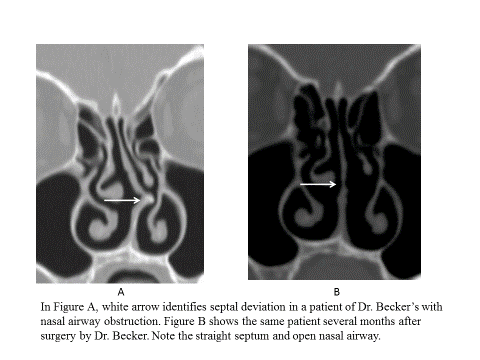
The Procedure Itself
Septoplasty is a relatively straightforward procedure that typically takes 1 to 2 hours when performed by an experienced plastic surgeon. The surgeon will first make a small incision inside the nostrils to access the septum. The provider may use specialized tools to remove any crooked or excess cartilage from the septum. In some cases, the surgeon may also need to reposition the bone and cartilage before securing it with sutures or surgical glue. After achieving proper alignment, the surgeon will close up the incision and provide post-operative instructions for recovery.
For the procedure, patients may receive either local or general anesthesia depending on their preference and medical history. Additionally, post-operative care is essential for promoting overall healing and ensuring successful results from surgery. This often includes restful sleep, cold compresses for swelling relief, avoiding activities that could result in nasal trauma until complete healing has occurred, and using a humidifier while sleeping to keep nose passages hydrated.
Aftercare Instructions Following Surgery
Following a septoplasty procedure, patients must take proper aftercare measures to ensure successful results. They should get plenty of rest and avoid activities that could cause injury or trauma to the nose. Patients may use over-the-counter pain medications as needed to alleviate discomfort. Additionally, cold compresses can help reduce swelling, and patients should use a humidifier while sleeping for hydration purposes. Patients should also avoid blowing their nose during recovery and closely follow all post-operative instructions provided by their plastic surgeon to get optimal results from the surgery.
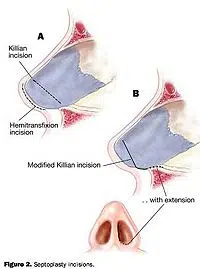
Figure B. Septoplasty Incisions
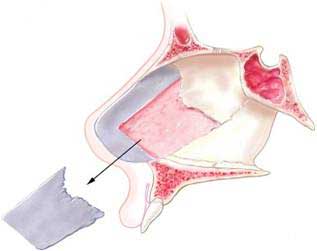
Figure C. Unobstructed nasal passage
Risks of Septoplasty
Although Septoplasty is a relatively safe procedure, it still has some associated risks. The most common risks include infection, bleeding, and scarring at the incision site inside the nose. In some cases, patients may also experience numbness in the nasal area due to nerve damage, which can be temporary or permanent depending on the individual. Additionally, there is also a risk of septal hematoma (a collection of blood) forming after surgery, which could cause further obstruction if not treated promptly. Other rare but possible risks associated with septoplasty include septal perforation (a hole in the septum), exposure of cartilage grafts, and damage to surrounding structures such as facial sinuses or tear ducts.
Patients should discuss any potential risks or complications with their plastic surgeon prior to undergoing septoplasty so that they can make an informed decision about their treatment plan. Individuals should follow all of their surgeon’s pre- and post-operative instructions to minimize potential side effects from surgery.
Dr. Ahmed is one of the best doctors I’ve seen, I had septoplasty and tonsillectomy surgery with him, he explained everything in detail from Preop/ to postop. He made me feel extremely comfortable even when l asked some of my silly questions ! His surgical coordinator Aleena she was great extremely sweet, beyond helpful and together they are a great team! The front desk staff is very welcoming and office is super clean.! Great ENT doctor!!!
— alise echevarria

I started coming to this practice in April because of concerns about a deviated septum. I saw Dr. Aubrey McCullough on my second visit, and she confirmed my diagnosis. After that appointment, we scheduled a septoplasty and turbunate reduction which I had in the beginning of August. Dr. MCcullough didn’t use splints after the operation, so I didn’t suffer from headaches during my recovery, and now 4 weeks after my breathing is so much better. She, along with all the nurses and staff at the Freehold office, answered all my questions and overall I had a great experience.
— Chris Medina


Why Choose an ENT Specialist?
Choosing an experienced ENT specialist for your Septoplasty ensures the highest level of expertise and care. Our team at Becker ENT & Allergy has extensive experience in performing Septoplasty and other advanced sinus treatments.
Post-Procedure Care:
- Board-certified and highly trained ENT doctors.
- State-of-the-art technology for precise diagnosis and treatment.
- Personalized care tailored to each patient’s needs.
- Convenient locations across Philadelphia.
- Commitment to patient safety and satisfaction.
Why Choose Our Specialists?


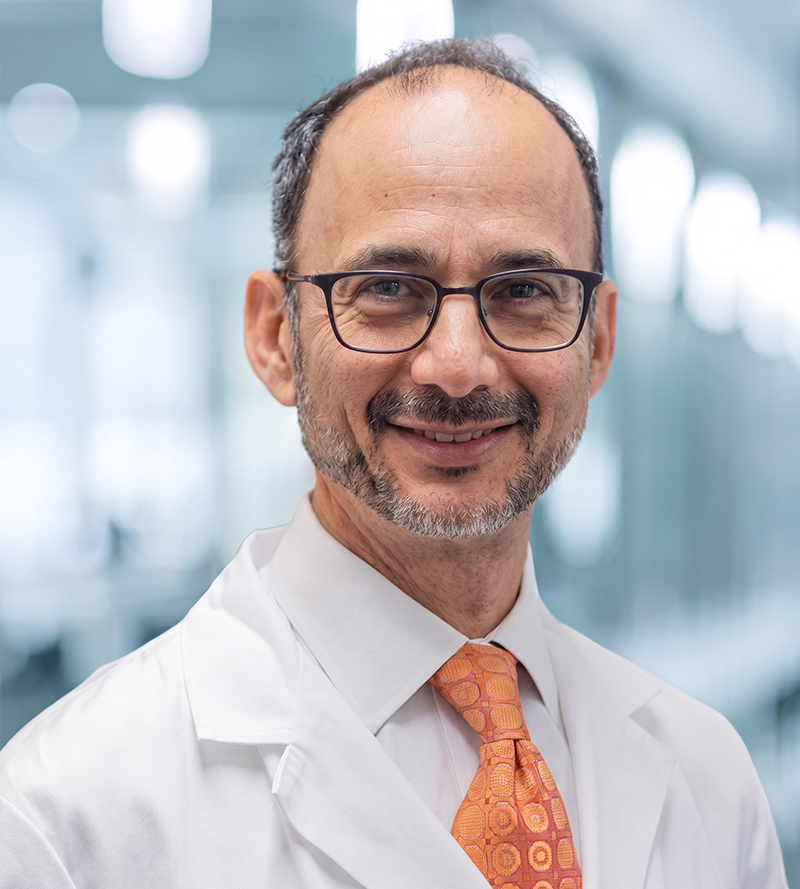
Daniel G. Becker, MD
Daniel G. Becker, MD, Founder, and Medical Director of The Penn Medicine Becker ENT & Allergy Center, is a highly trained, board-certified specialist who graduated magna cum laude from Harvard College in 1986 and was awarded a full merit scholarship to attend the University of Virginia Medical School.
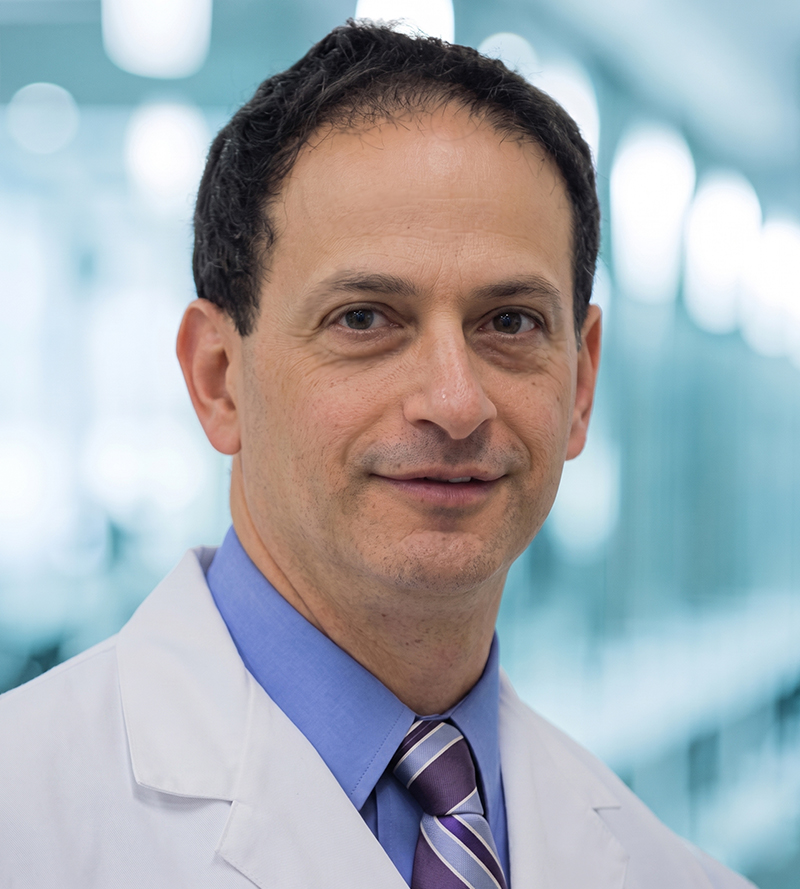
Samuel S. Becker, MD
Samuel S. Becker, Director of Rhinology at The Penn Medicine Becker ENT & Allergy Center, is a highly trained, board-certified specialist who graduated from Amherst College in 1991 and attended medical school at the University of California San Francisco.
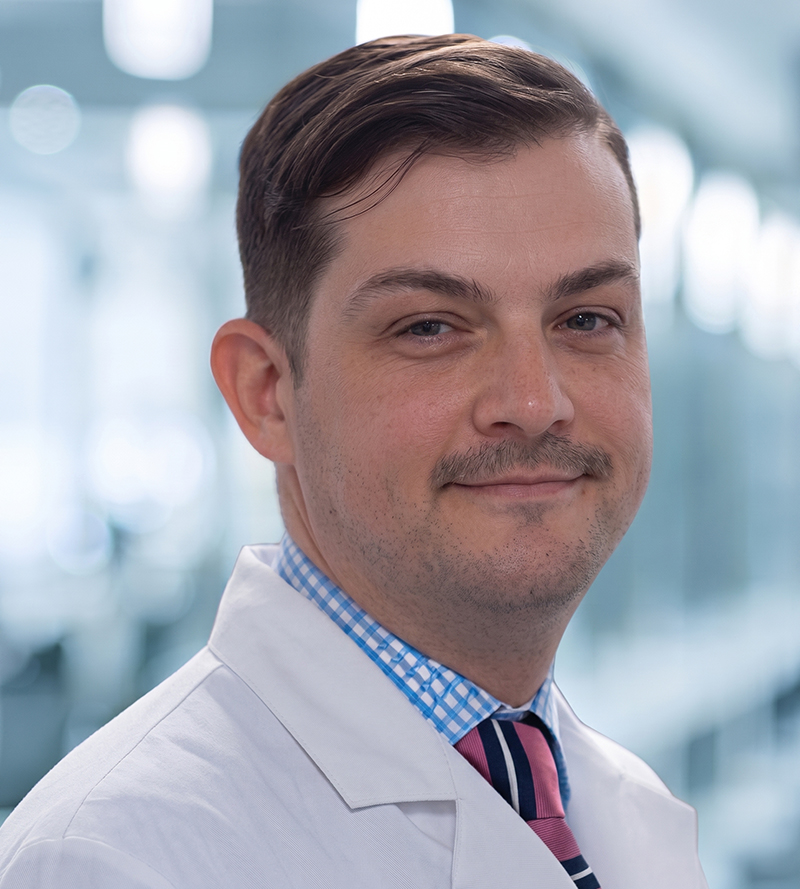
Kenneth Rosenstein, MD
Kenneth Rosenstein, MD is a highly trained, board-certified otolaryngologist who attended medical school at McGill University. Dr. Rosenstein specializes in ear, nose, and throat care, focusing on pediatric care, thyroid disease, hearing impairment, ear conditions, and voice and swallowing difficulties.
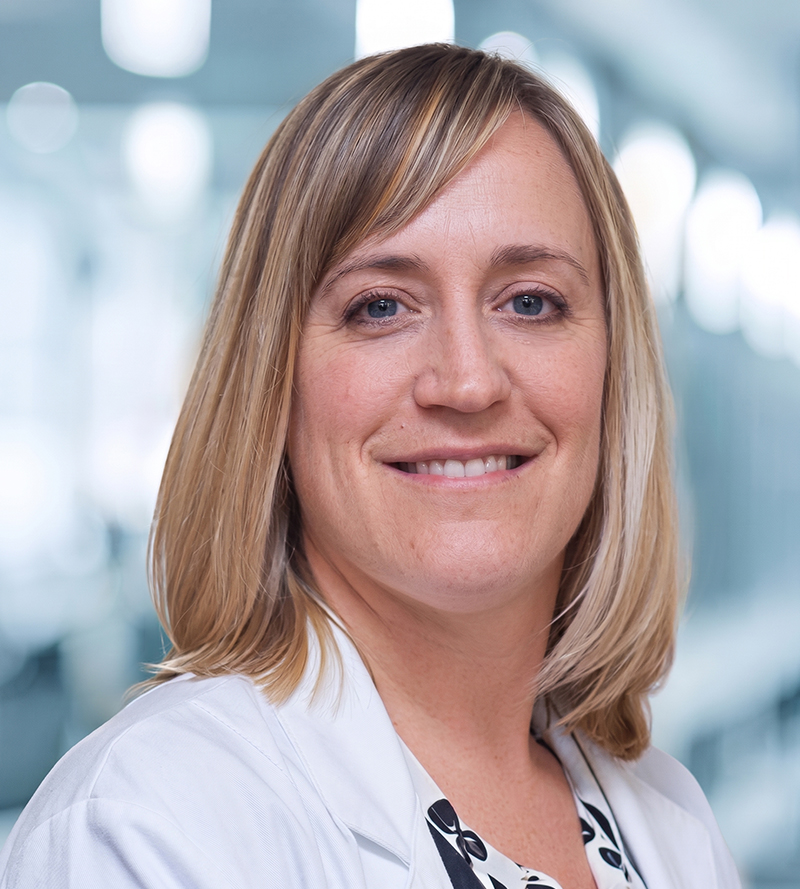
Naomi Gregory, DO
Dr. Naomi Gregory is a highly trained, board certified otolaryngologist who specializes in the diagnosis and treatment of diseases of the ear, nose, and throat. Dr. Gregory completed medical school at the Philadelphia College of Osteopathic Medicine in Philadelphia PA.
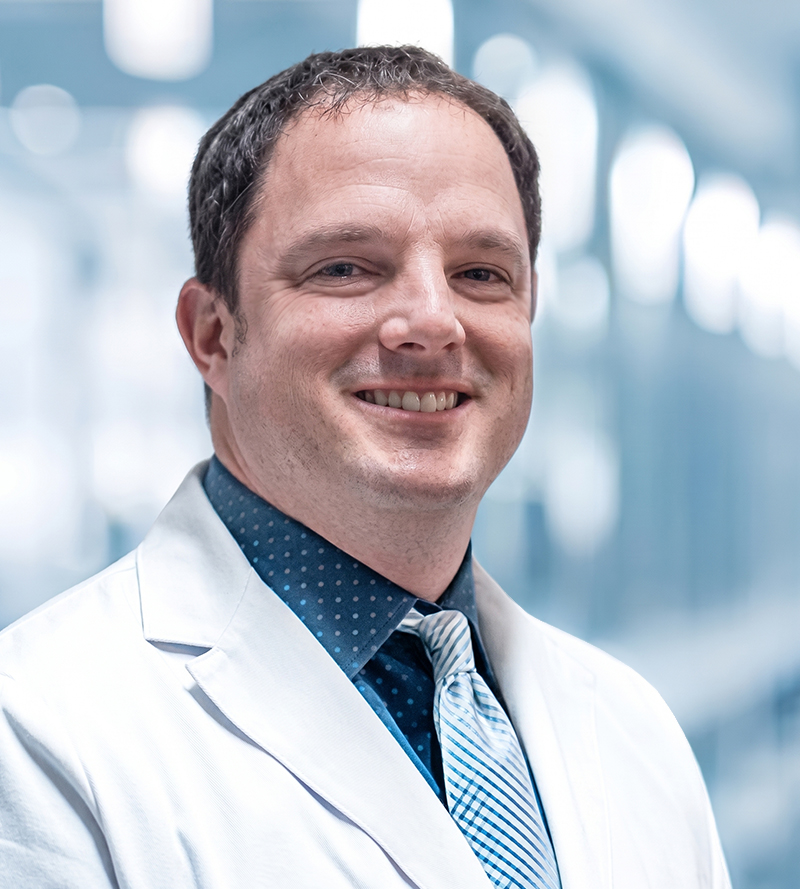
Michael Lupa, MD
Dr. Michael Lupa, MD is a highly trained, board-certified otolaryngologist with additional training in sinus surgery and allergy treatment as well as advanced skull base surgery. He studied Biology at Tufts University and went on to complete medical school at Case Western University School of Medicine in Cleveland, Ohio.
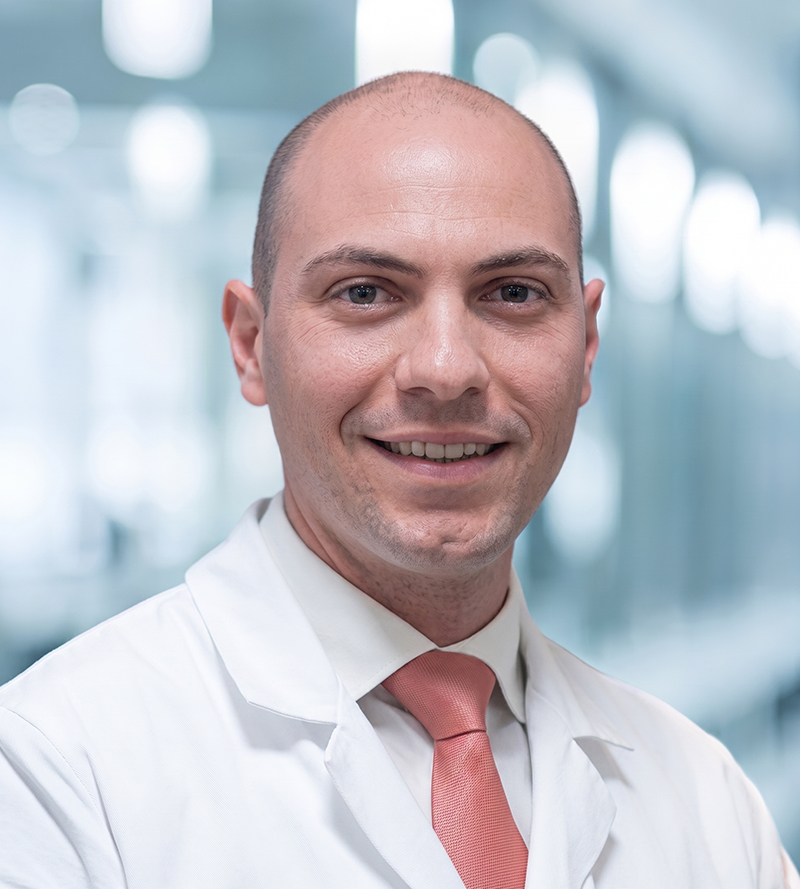
Robert Mignone, DO
Dr. Robert Mignone is a highly trained, board-certified otolaryngologist-head and neck surgeon who attended medical school at New York College of Osteopathic Medicine.
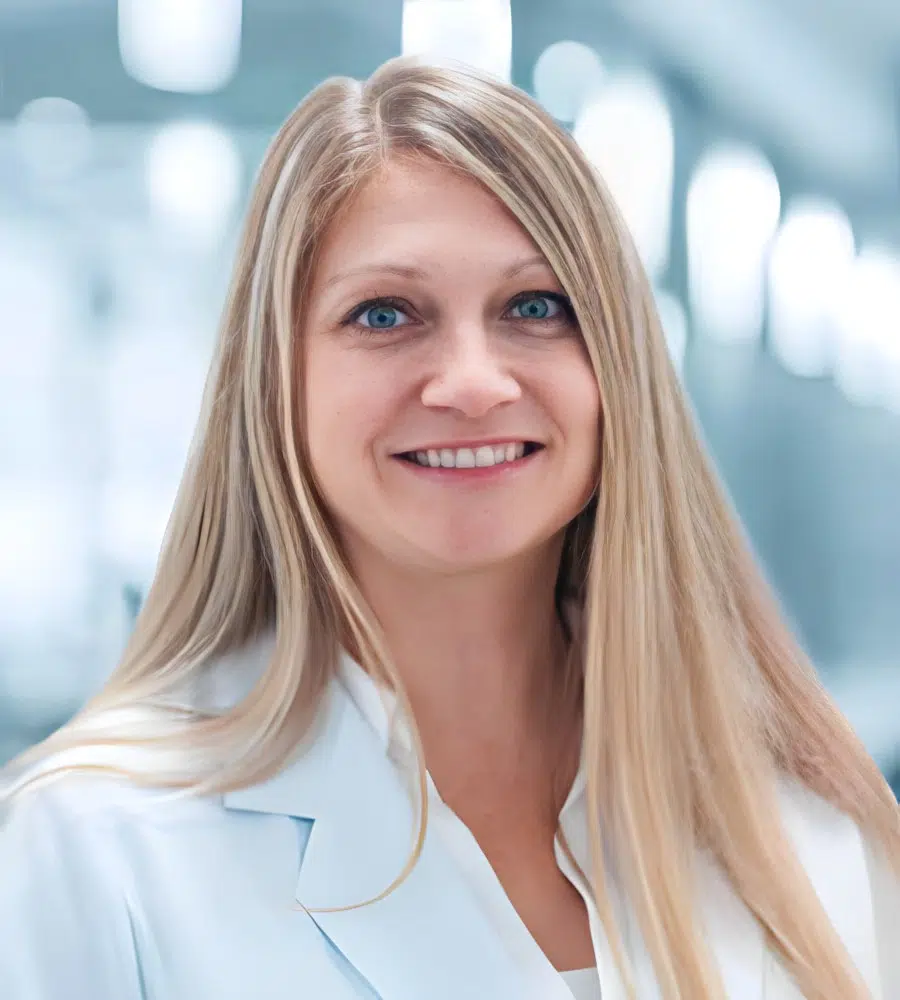
Aubrey McCullough, DO
Dr. Aubrey McCullough is a highly trained otolaryngologist, facial plastic, and head and neck surgeon who completed medical school at Midwestern University Arizona College of Osteopathic Medicine.
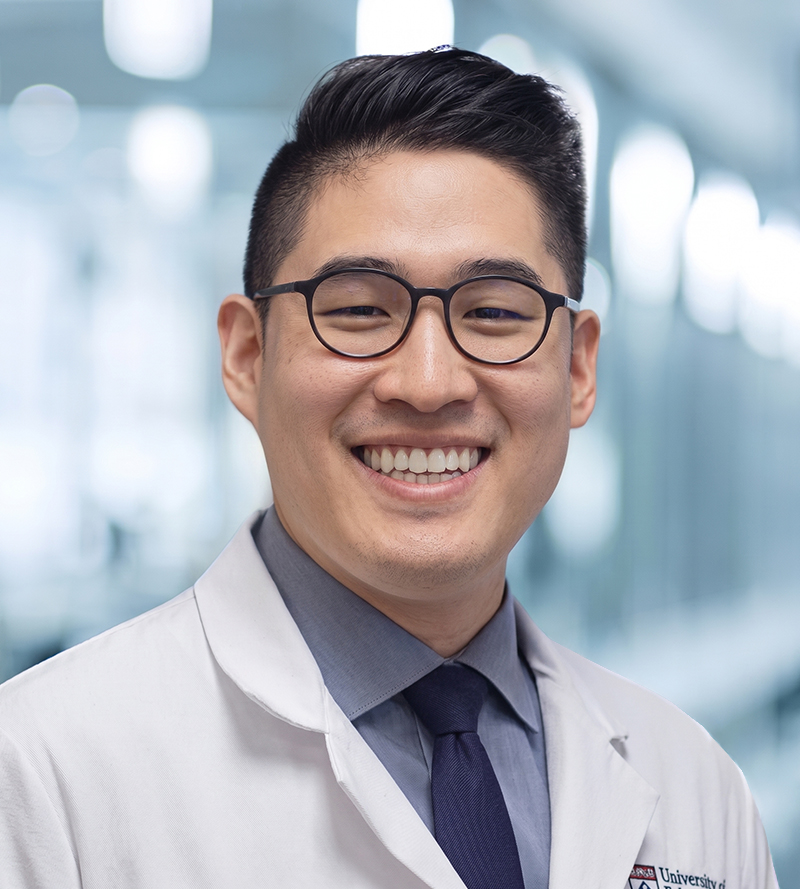
Luke Kim, MD
Luke Kim, MD, is an otolaryngologist who specializes in the diagnosis, medical management, and surgical treatment of diseases of the ear, nose, and throat. Dr. Kim graduated with honors and with distinction from Cornell University and completed his medical studies at the Perelman School of Medicine at the University of Pennsylvania.

Omar H. Ahmed, MD
Dr. Omar Ahmed is a highly skilled otolaryngologist-head and neck surgeon who completed his medical training at Rutgers Robert Wood Johnson Medical School. He is known for his extensive expertise in sinus and nasal disorders and has contributed significantly to the field with over 20 published articles and book chapters.
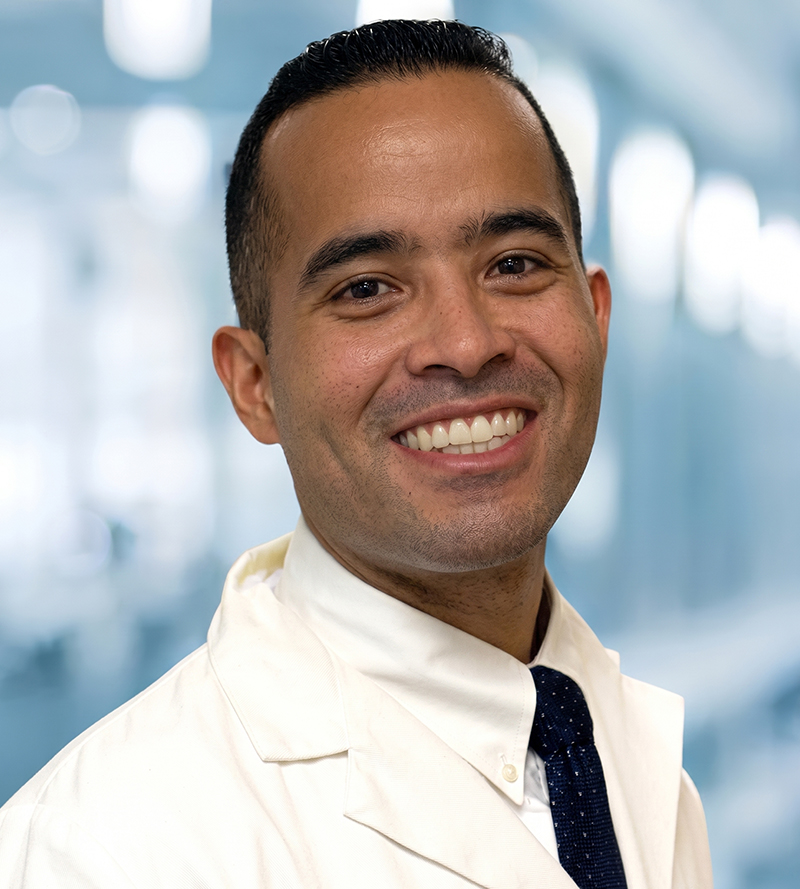
Gileno Fonseca, MD
Dr. Gileno Fonseca is a highly trained otolaryngologist-head and neck surgeon who attended medical school at the University of Florida. Since 2022, it has been board-certified in Otolaryngology.

Dr. Alisa Yamasaki
Dr. Alisa Yamasaki is a highly trained Otolaryngologist–Head & Neck Surgeon who completed her undergraduate studies at Dartmouth College and her medical degree at Harvard Medical School. She also completed a fellowship in Facial Plastic and Reconstructive Surgery at the University of Michigan Medical Center.
convenient locations in NJ & PA
Frequently Asked Questions
About Septoplasty
Can I be awake for my septoplasty?
In most instances, septoplasty is performed under general anesthesia. In some cases, the procedure may be performed with the patient “awake” under local anesthesia. You should discuss this with your surgeon so that the best decision can be made for your circumstances.
Is there nasal packing?
Several years ago, it was standard for patients to have several feet of Vaseline-infused gauze “packed” into their nose at the end of surgery and left there for one week while the patient healed. This was unpleasant and uncomfortable. Fortunately, very few surgeons use packing any more. Some use “septal splints” in place of packing; however, this is also noted to be quite uncomfortable and studies have shown that splints and packing do not provide improved outcomes. With this in mind, many surgeons perform septoplasty without packing or splints. It is advisable to ask your surgeon what their standard practice is.
Does a septoplasty change the appearance of my nose or face?
No. A simple septoplasty does not change the outside appearance of the nose or face. In cases where a patient would like a change in appearance of their nose, this may be performed along with a cosmetic rhinoplasty. If it is your aim to have a change in your nasal appearance as well as function, you should discuss this with your surgeon.
Will I have black eyes or bruises after surgery?
In a standard septoplasty, a patient will not have black eyes or facial bruising. In some cases, when septoplasty is combined with other procedures (e.g., nasal fracture repair, functional or cosmetic rhinoplasty), a patient may have black eyes depending on the techniques used and procedures performed. You should ask what to expect from your surgeon.
Are there stitches?
In most cases, sutures are used to sew the incision site and flaps together at the end of surgery. Sutures are typically dissolvable and do not require removal. In some cases (e.g., Endoscopic Septoplasty), no sutures are used.
How painful is surgery?
While every patient is unique, most patients will find that their post-operative pain in easily managed with low-dose narcotic medications (e.g., Tylenol with codeine) for 1-2 days, after which they transition to regular or extra-strength Tylenol for another week or so.
How long will I need to take off from work?
Septoplasty is typically a minor, minimally-invasive outpatient procedure. Patients will typically take several days to a week off from work. This can vary based on individual recovery and details of each person’s unique surgery, as well as recovery from general anesthesia. Most patients are advised to refrain from heavy lifting or vigorous activity for 1-2 weeks, although specific details should be discussed with your surgeon.
When can I eat and shower after surgery?
After surgery, there is no restriction on eating or bathing. There is typically a list of blood-thinning medications to refrain from for a brief period after surgery, but you should discuss this with your surgeon. In general, however, you may eat whatever you feel like eating.
What septoplasty office is near me?
If you live in the states of New Jersey or Pennsylvania, Penn Medicine Becker ENT & Allergy Center offers septoplasty among its services. For a full list of services, please visit our Locations page.