




Thyroid Disease Treatment in New Jersey and Pennsylvania
ENT evaluation and treatment for thyroid disease and thyroid growths.
- Care for thyroid nodules, masses, and goiter.
- Coordination with primary care and endocrinology providers.
- Personalized medical and surgical treatment planning.
- Same-day or next-day appointments often available.








Important Medical Notice
The information provided below and throughout this website is presented for general educational purposes only and does NOT constitute professional medical advice. This information is NOT a substitute for professional medical advice and NO material on this site is intended to be a substitute for professional medical advice. Always seek the guidance of your doctor or other qualified health professional with any questions you may have regarding a health or a medical condition. Never disregard the advice of a medical professional or delay in seeking it because of something you have read on this website.
Kenneth Rosenstein, MD – Thyroid Disease Treatment
Understanding the Thyroid Gland
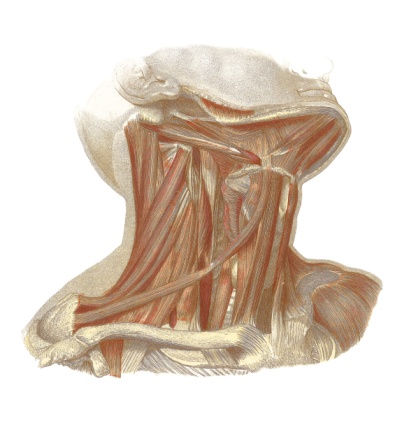
The thyroid gland, located at the base of the neck, plays a crucial role in regulating the body’s metabolism and energy levels. Its butterfly-shaped structure consists of two lobes connected by a narrow strip of tissue called the isthmus. This endocrine gland produces thyroid hormones, namely triiodothyronine (T3) and thyroxine (T4), which influence various bodily functions
Thyroid Hormones and Their Role
Thyroid hormones act as messengers, affecting almost every cell and organ in the body. They control the rate at which cells convert oxygen and calories into energy, influencing metabolism, body temperature, heart rate, and more. Adequate thyroid hormone levels are essential for maintaining a healthy weight, proper growth and development, and overall well-being.
Analogous to a thermostat in a house, the pituitary gland acts as the control center for the thyroid gland. It produces thyroid-stimulating hormone (TSH), which signals the thyroid to release T3 and T4. This feedback loop ensures that the body’s thyroid hormone levels remain within a specific range.
Common Thyroid Disorders
Thyroid disorders encompass a range of conditions that affect the normal functioning of the thyroid gland. Two prevalent disorders are thyroid nodules, which are abnormal growths within the gland, and hyperthyroidism and hypothyroidism, which involve overactive and underactive thyroid function, respectively.
-
Thyroid Nodules: Causes and Symptoms
Thyroid nodules are most commonly benign, but they can cause concern due to their potential to affect hormone production or become cancerous. Most nodules do not cause noticeable symptoms and are discovered incidentally during routine medical examinations. However, larger nodules may cause discomfort or visible swelling in the neck. It is essential to consult a healthcare provider for evaluation and appropriate management.
-
Hyperthyroidism: Causes, Symptoms, and Diagnosis
Hyperthyroidism occurs when the thyroid gland produces an excess of thyroid hormones. This overactivity can be caused by various factors, including an autoimmune disorder called Graves’ disease, thyroiditis, or the presence of thyroid nodules. Symptoms of hyperthyroidism may include unexplained weight loss, rapid heartbeat, irritability, and muscle weakness. Diagnosis involves a comprehensive medical history, physical examination, and thyroid function tests.
-
Hypothyroidism: Causes, Symptoms, and Diagnosis
Hypothyroidism, on the other hand, refers to an underactive thyroid that does not produce sufficient thyroid hormones. Common causes include an autoimmune condition called Hashimoto’s thyroiditis, previous thyroid surgeries, or radiation therapy. Symptoms of hypothyroidism often include weight gain, fatigue, depression, and sensitivity to cold. Accurate diagnosis involves a thorough assessment of symptoms, physical examination, and thyroid function tests.
Diagnosing Thyroid Disorders
Accurate diagnosis is crucial for determining the appropriate treatment plan for thyroid disorders. Healthcare providers employ various diagnostic tools and methods to evaluate thyroid function and identify potential underlying causes.
Medical History and Physical Examination
During a medical consultation, your healthcare provider will conduct a comprehensive medical history assessment. This includes discussions about symptoms, past medical conditions, family history, and current medications. Additionally, a physical examination may be performed to assess the size and texture of the thyroid gland, as well as to check for other signs of thyroid dysfunction.
Thyroid Function Tests: An Essential Diagnostic Tool
Thyroid function tests are vital for evaluating thyroid hormone levels and detecting abnormalities. These tests typically measure the levels of TSH, T3, and T4 in the blood. Elevated or reduced hormone levels can indicate hyperthyroidism or hypothyroidism, respectively. Furthermore, additional blood tests may be conducted to assess thyroid antibodies, which can help identify autoimmune disorders affecting the thyroid gland.
Schedule your consultation
Thyroid disease is a complex condition that requires careful diagnosis and treatment. By understanding the role of the thyroid gland, recognizing common disorders, and exploring treatment options, individuals can actively participate in managing their thyroid health. Remember to schedule a consultation with one of our ENT doctors at Penn Medicine Becker ENT & Allergy for personalized advice and regular monitoring to ensure the effectiveness of treatment.
Treatment Options for Thyroid Disease
1. Medication
For individuals with hypothyroidism, synthetic thyroid hormone replacement therapy is the standard treatment. This involves daily medication to provide the body with the necessary thyroid hormones. The dosage is adjusted based on regular monitoring of thyroid hormone levels and symptom improvement. In cases of hyperthyroidism, antithyroid medications may be prescribed to inhibit the excessive production of thyroid hormones. These medications help regulate hormone levels and manage symptoms. Close monitoring of thyroid function and potential side effects is crucial during this treatment.
2. Radioactive Iodine Therapy
Radioactive iodine therapy is commonly recommended for individuals with hyperthyroidism due to Graves’ disease or toxic nodules. This non-invasive procedure involves taking radioactive iodine orally, which is selectively absorbed by the overactive thyroid tissue. Over time, the radiation destroys the excess thyroid tissue, normalizing hormone production. Regular follow-up is necessary to monitor thyroid hormone levels and ensure treatment effectiveness.
3. Surgical Procedures
In certain cases, surgical intervention may be required to treat thyroid disorders. Thyroid surgeries, such as thyroid lobectomy or total thyroidectomy, involve the partial or complete removal of the thyroid gland. These procedures may be necessary for treating thyroid cancers, large nodules causing compression, or when other treatment options are ineffective or contraindicated.
Lifestyle Changes and Management
In addition to medical interventions, lifestyle changes can significantly impact thyroid health and overall well-being. By adopting healthy habits, individuals can optimize their treatment outcomes and improve their quality of life.
Diet and Exercise
Maintaining a balanced diet rich in essential nutrients may be helpful for thyroid function. Including iodine-rich foods, such as seafood and seaweed, can support the production of thyroid hormones. Additionally, a diet abundant in fruits, vegetables, lean proteins, and whole grains provides the necessary nutrients for overall health. Regular exercise, tailored to individual capabilities, can also help regulate metabolism and support thyroid function.
Stress Management
Stress management plays a vital role in maintaining optimal thyroid function. Chronic stress can disrupt hormone balance and exacerbate symptoms of thyroid disorders. Engaging in relaxation techniques, such as meditation, yoga, or deep breathing exercises, can help reduce stress levels and promote overall well-being. Additionally, getting adequate sleep and practicing self-care activities can support the body’s ability to cope with stress.

“It’s really challenging to choose one provider from the long list of options available. My experience with Becker ENT, more specifically Dr. Rosenstein, has been fantastic. The whole team is very professional and welcoming, and I don’t feel like I’m just a number on the schedule. Def recommend!”
— S. G.

“Dr. Naomi Gregory was not only extremely kind, but skilled and thorough during the procedure. I had a balloon sinusplasty and other procedures done… I highly recommend Dr. Gregory and her entire staff.”
— N.T.
“ENT doctor in Philadelphia Dr. Naomi Gregory was not only extremely kind, but skilled and thorough during the procedure. I had a balloon sinusplasty and other procedures done in the Philadelphia office. She was the consummate professional and I highly recommend Dr. Gregory and her entire staff. Penn Medicine Becker ENT was fantastic with my medical care.”
— Melissa G.

Why Choose an ENT Specialist?
Choosing an experienced ENT specialist for your Thyroid Disease Treatment ensures the highest level of expertise and care. Our team at Becker ENT & Allergy has extensive experience in treating this disease.
Post-Procedure Care:
- Board-certified and highly trained ENT doctors.
- State-of-the-art technology for precise diagnosis and treatment.
- Personalized care tailored to each patient’s needs.
- Convenient locations across New Jersey and Philadelphia.
- Commitment to patient safety and satisfaction.
convenient locations in NJ & PA
Frequently Asked Frequently Asked Questions
about Thyroid Disease Treatment
Can thyroid disease cause weight gain or weight loss?
Thyroid disorders can indeed lead to weight fluctuations. Hypothyroidism, characterized by an underactive thyroid, can cause weight gain, while hyperthyroidism, an overactive thyroid, may result in weight loss.
What are the different types of thyroid cancer?
There are several types of thyroid cancer, including papillary carcinoma, follicular carcinoma, medullary thyroid carcinoma, and anaplastic carcinoma. Each type has distinct characteristics and treatment approaches.
How do thyroid disorders affect heart health?
Thyroid hormone imbalances can impact heart rate, rhythm, and overall cardiovascular function. Both hyperthyroidism and hypothyroidism can lead to changes in heart rate and, in some cases, may increase the risk of heart-related complications.
Can thyroid disorders be hereditary?
Certain thyroid disorders, such as autoimmune thyroid diseases, may have a genetic component. A family history of thyroid conditions may increase the risk of developing similar disorders.
How often should thyroid function tests be conducted?
The frequency of thyroid function tests depends on the individual's condition and treatment plan. Typically, healthcare providers recommend regular monitoring every six to twelve months for stable thyroid function. However, specific recommendations may vary based on individual needs and medical history.
What is the Thyroid Gland and what is its function?
The thyroid gland is an endocrine organ. Endocrine organs produce hormones that help multiple processes in our body. The thyroid gland produces the hormone thyroxine that essentially impacts the metabolic rate of our body and is essential in many bodily functions.
Where is the Thyroid Gland?
The thyroid gland is located in the neck. It has a butterfly shape with two lobes lying on either side of our trachea, or windpipe.
What happens if I don’t produce enough Thyroid Hormone?
When thyroxine levels are too low in the body this is called hypothyroidism. Hypothyroidism is quite common, affecting up to 5% of the general population. The early symptoms of hypothyroidism are varied; common symptoms include cold intolerance, constipation, weight gain, menstrual irregularities, fatigue, itchy skin, brittle fingernails, depression, poor muscle tone, and joint pain. Hypothyroidism and its possible causes can often be identified on blood tests and is treated with thyroid replacement medications. Response to treatment is monitored by symptom control and serial blood tests.
What are the causes of Hypothyroidism?
Lodine deficiency is the most common cause of hypothyroidism worldwide, however supplementation of our table salt has limited this cause. In the US, the most common cause is an auto-immune condition called Hashimoto’s thyroiditis. Some medications such as lithium, amiodarone, and thalidomide have been known to cause hypothyroidism. Exposure to radiation is another important source of hypothyroidism.
Can I produce too much Thyroid Hormone?
When thyroxine levels are too high in the body this is called hyperthyroidism. Major clinical signs include weight loss (often accompanied by an increased appetite), anxiety, intolerance to heat, hair loss, muscle aches, weakness, fatigue, hyperactivity, irritability, and low blood sugar. Panic attacks, inability to concentrate, and memory problems may also occur. Some patients may experience cardiac arrhythmias; symptoms that are more present in elderly patients. A high percentage of hyperthyroidism in the US is caused by an auto-immune condition known as Graves’ disease.
What is a Thyroid Nodule?
The word nodule is not specific. It simply means a growth or mass within the gland. They can be a variety of sizes and can present as a single nodule or multiple nodules within the gland. In order to determine if the nodule is benign or malignant further investigations are necessary. It is important to know that a thyroid gland can have nodules and still have normal function.
What is a Goiter?
The term “goiter” refers to the abnormal enlargement of the thyroid gland. A goiter can occur in a gland that is producing too much hormone (hyperthyroidism), too little hormone (hypothyroidism), or the correct amount of hormone (euthyroidism). A goiter can be overall enlargement of the gland or a collection of multiple nodules. A large goiter can be clearly visible and cause compressive symptoms of shortness of breath and difficulty swallowing.
How are Thyroid Nodules evaluated?
An ultrasound exam of the neck is the optimal method for evaluating the structure of the thyroid gland. The ultrasound can determine the location, number, and size of nodules. It also helps in determining the character of the nodules and looks at internal architecture and blood flow. This assessment helps characterize nodules as likely benign, suspicious, or concerning for underlying malignancy. The lymph nodes in the neck can also be examined for any enlargement indicating possible spread of cancer. Other tests such as CT scans may also be ordered to evaluate thyroid nodules.
How do I know if my Thyroid Nodule is benign or malignant?
Although an ultrasound can provide information regarding the likelihood of malignancy, tissue is required for definitive diagnosis. For some nodules an ultrasound guided fine needle aspiration (FNA) biopsy acquires cells from within the target nodule for pathological analysis. This FNA biopsy is an office based procedure that requires only local anesthesia. In the vast majority of cases, the FNA is sufficient for diagnosis of cancer. Occasionally, cellular features do not allow for definitive diagnosis.
Are there different types of Thyroid Cancer?
There are three common types of thyroid cancer. Papillary thyroid cancer represents 70% of all thyroid malignancies. It can present in multiple parts of the thyroid simultaneously, so complete surgical excision is recommended. Follicular carcinoma represents another 25% of thyroid cancers and is treated in a similar fashion. It is more likely to have spread to the lymph nodes at the time of diagnosis, however still carries a good prognosis. A much more aggressive variant, Medullary carcinoma is fortunately rare, comprising less than 5% of thyroid cancers. It is also treated surgically, however more extensive lymph node dissections are typically performed in addition to gland excision. Anaplastic carcinoma, a very rare form, presents in the elderly and is often fatal.
How is Thyroid Surgery performed?
Thyroid surgery is performed under general anesthesia. Although minimally invasive options are being developed, an anterior neck incision is still commonly utilized. The surgery is typically 2 to 3 hours and due to the cosmetically sensitive area, closure is performed carefully. An attempt is made to “hide” the incision in existing neck folds and this area typically heals very well. For a hemi-thyroidectomy, patients often go home the same day. For a total thyroidectomy, patients may stay overnight in the hospital to monitor calcium levels.
What risks are associated with Thyroid Surgery?
As with most surgeries, there are common risks of bleeding, infection, and those associated with general anesthesia. Infection is very rare postoperatively in thyroid surgery. Occasionally, the parathyroid glands are affected by the local manipulation of tissue. Following total thyroidectomy some patients will have a transient drop in calcium levels and will require supplementation. A dangerous or precipitous drop in calcium is uncommon, but can occur. As a result, calcium levels are often followed closely in the post-operative period with serial blood tests. Permanently low calcium levels are rare. The thyroid gland overlies the recurrent laryngeal nerve, the nerve that controls our vocal folds. In the event this nerve is injured during surgery, vocal fold paresis or paralysis can occur. This can lead to a weak, hoarse voice, difficulty swallowing, and shortness of breath with exertion.
What can I expect during recovery after Thyroid Surgery?
The recovery from thyroid surgery is typically quite quick. Normal daily activities can resume quickly with the exception of heavy lifting. Neck soreness and discomfort with swallowing are the most common complaints. Pain medicine, occasionally antibiotics, and supplemental calcium are often provided. If the entire gland has been removed, the patient begins thyroid replacement medication.