




Pediatric Snoring & Sleep
Pediatric snoring and sleep care for children in New Jersey and Pennsylvania.
- Evaluation of snoring, restless sleep, and breathing concerns.
- Evidence-based treatment for pediatric sleep disorders.
- Care designed to support healthier sleep, growth, and daytime function.
- Same-day or next-day appointments often available.








Important Medical Notice
The information provided below and throughout this website is presented for general educational purposes only and does NOT constitute professional medical advice. This information is NOT a substitute for professional medical advice and NO material on this site is intended to be a substitute for professional medical advice. Always seek the guidance of your doctor or other qualified health professional with any questions you may have regarding a health or a medical condition. Never disregard the advice of a medical professional or delay in seeking it because of something you have read on this website.
Benefits of Pediatric Snoring Treatments
Sleep disorders in children not only affect their rest but also their growth, development, and daily activities. Prioritizing their sleep health through specialized treatments can make a world of difference.
Improved Cognitive Development
Treatments pave the way for enhanced focus, memory, and learning abilities in children.
Boosted Daytime Energy
Daytime sleepiness is a common symptom of sleep disorders. After treatment, ensure your child is alert, active, and ready to embrace the day, free from the fatigue of restless sleep.
Healthier Emotional Balance
Proper sleep reduces irritability and mood swings, fostering a happier, more balanced child. Mental health in children can be strongly influenced by their sleep patterns.
Asking “How to stop snoring in your sleep” is a common question for adults since 45% of adults snore occasionally, and 25% snore regularly. However, Pediatric Snoring is also a common problem that affects many children, labeled as sleep in children. It is estimated that 10% of children snore regularly. For many, this isn’t an issue; but 2-4% of children have obstructive sleep apnea, a potentially dangerous condition that can lead to serious health problems down the road.
Why Does My Child Snore?
To understand what causes snoring in kids, it’s important to know that snoring itself is just the result of the flow of air obstruction in the nose and mouth. Breathing during sleep is interrupted when there’s a blockage, often causing frequent snoring. This is typically caused by a relaxation of the throat tissues, causing the tongue, uvula, and soft palate to vibrate together when your child breathes. This could be due to obesity, making an overweight child more prone to snoring, abnormalities of the jaw and tongue, or neuromuscular disorders. Additionally, enlarged tonsils or nasal allergies can also cause difficulties, leading to difficulties during sleep.

Snoring is a concern because a good night’s sleep is essential for your child’s growth and development. Daytime fatigue can lead to learning issues and has been associated with attention deficit disorders in some children. Children who snore can become irritable and moody and are at risk for health issues, including diabetes, high blood pressure, heart disease, and lung disorders. Other health risks include increased urine production at night, which often results in bedwetting. Plus, there is the social stigma, when your child has to share sleeping quarters with siblings or friends.
Snoring isn’t always a sign of a serious condition, but if your child exhibits loud snoring on a regular basis, especially in conjunction with gasping for breath, thrashing around in bed, and other symptoms like aggressive behavior, it’s best to schedule an appointment with a sleep specialist or doctor who specializes in sleep disorders.
Is Snoring in Children Dangerous?
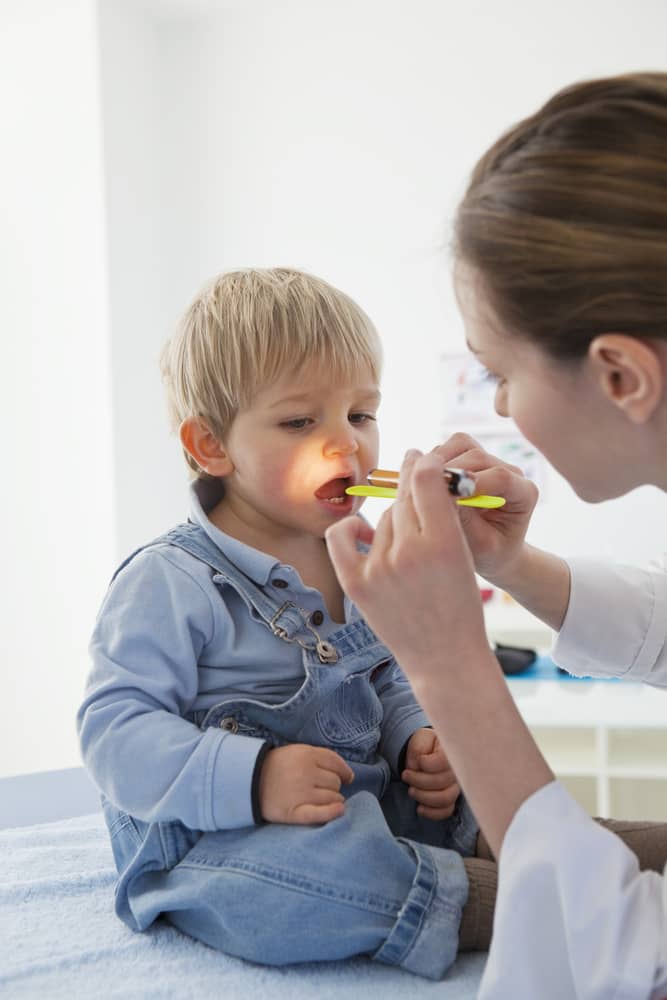
While many associate snoring predominantly with adults, it’s also something that children experience. Light snoring from time to time might not raise any red flags, but regular or loud snoring could point to deeper issues like a respiratory infection or other risk factors. Conditions like obstructive sleep apnea (OSA) can seriously affect a child’s overall health and development.
Health Consequences
Conditions like OSA and habitual snoring can pose substantial risks to a child’s health. Studies have shown that kids suffering from OSA might encounter challenges in brain development, see a dip in their school grades, and even exhibit behavioral changes. OSA can disrupt the deep, rejuvenating sleep crucial for the brain’s optimal performance. Parents should be on the lookout for signs of sleep in children that deviate from the norm.
Brain Development and Academic Performance
A good night’s sleep plays a pivotal role in memory retention, cognitive enhancement, and learning. When a child’s sleep is disrupted by issues like snoring or OSA, it can compromise these essential functions. This can manifest in problems with focusing, retaining information, and overall mental sharpness.
Cardiovascular Health and Metabolism
There’s evidence to suggest that snoring and OSA can contribute to cardiovascular issues in children, such as elevated blood pressure. The inconsistent breathing during sleep can put added stress on the heart and lead to fluctuations in blood oxygen levels. Additionally, issues related to sleep can interfere with metabolism, possibly leading to weight challenges and associated health concerns.
Behavioral and Emotional Impacts
Sleep issues in children, like chronic snoring or untreated OSA, can lead to moodiness, unpredictable behavior, and attention challenges. Symptoms might include hyperactivity, impulsiveness, and attention lapses. In some cases, the behavioral symptoms might even mimic those of attention deficit hyperactivity disorder (ADHD).

How is Snoring Treated?
The most serious type of snoring is obstructive sleep apnea. This is marked by gaps in breathing that may last for 30 seconds or more. This can lead to daytime fatigue, learning difficulties, and health problems as described above. In addition, obstructive sleep apnea can limit growth since the act of breathing burns an excess number of calories, even during sleep.
Snoring in children is often the result of overgrown tonsils and adenoids. If this is the case, surgical removal can often restore normal airflow. This is generally recommended only in severe cases; your child’s doctor may take a wait-and-see approach if symptoms are minor. Other treatment options include weight loss or the use of Continuous Positive Airway Pressure (CPAP) devices, which utilize air pressure to keep the air passage open, or mouth guards.
If snoring persists, it’s advisable to consult a pediatric ENT doctor in Monroe, NJ or Philadelphia to ensure the well-being of your child. Contact our telemedicine doctor.
“Dr. Becker is an outstanding physician. He completely resolved my long term sinus issues. He office is professionally run with very pleasant support staff. Do not hesitate in scheduling an appointment with him!”
— Peter Pfeifer

“A great patient experience…front desk staff was proactive, very nice and genuinely eager to please. Dr. Lupa was very professional, knowledgeable and had an easygoing bedside manner. He asked many questions and looked at you (not his computer) while he did so too. Gentle, sincere, and overall – a great patient experience.”
— john peacock
“Dr Rosenstein was very knowledgeable and I trusted he was as professional and expert in every way. He also happens to be very personable and I was put at ease in his care. As always the systems and staff are easy and smooth at Penn. I was treated kindly and with respect throughout my visit. Thank you.”
— Randall Jones
convenient locations in NJ & PA
Frequently Asked Questions
About Pediatric Snoring & Sleep
How is snoring in children different from adults?
Children's airways are smaller and more susceptible to obstructions. Persistent snoring in children may indicate sleep apnea, which can have an impact on their growth, cognitive development, and behavior.
How can I help my child stop snoring?
Maintaining a consistent sleep schedule, ensuring a proper sleep environment, addressing allergies, and helping your child maintain a healthy weight can help. If you suspect an issue, consider an overnight sleep study. It's also important to seek medical advice if snoring persists.
How is snoring in children diagnosed?
A pediatrician may ask about sleep habits, examine the throat and nasal passages, and recommend a sleep study (polysomnography) to monitor the child's sleep patterns.
Can snoring in children affect their development?
Yes. Persistent snoring can disrupt sleep quality, leading to sleep deprivation. This can impact a child's mood, behavior, cognitive abilities, and overall health.
What Pediatric Snoring & Sleep treatment office is near me?
If you live in the states of New Jersey or Pennsylvania, Penn Medicine Becker ENT & Allergy Center offers treatment for pediatric snoring & sleep among its services. For a full list of services, please visit our Locations page.