GERD Treatment
GERD treatment for acid reflux affecting the chest, throat, voice box, and mouth.
- Evaluation of heartburn, throat irritation, cough, and voice symptoms.
- Personalized reflux treatment and lifestyle guidance.
- ENT care for reflux-related throat and voice concerns.
- Same-day or next-day appointments often available.
Important Medical Notice
The information provided below and throughout this website is presented for general educational purposes only and does NOT constitute professional medical advice. This information is NOT a substitute for professional medical advice and NO material on this site is intended to be a substitute for professional medical advice. Always seek the guidance of your doctor or other qualified health professional with any questions you may have regarding a health or a medical condition. Never disregard the advice of a medical professional or delay in seeking it because of something you have read on this website.
What is GERD?
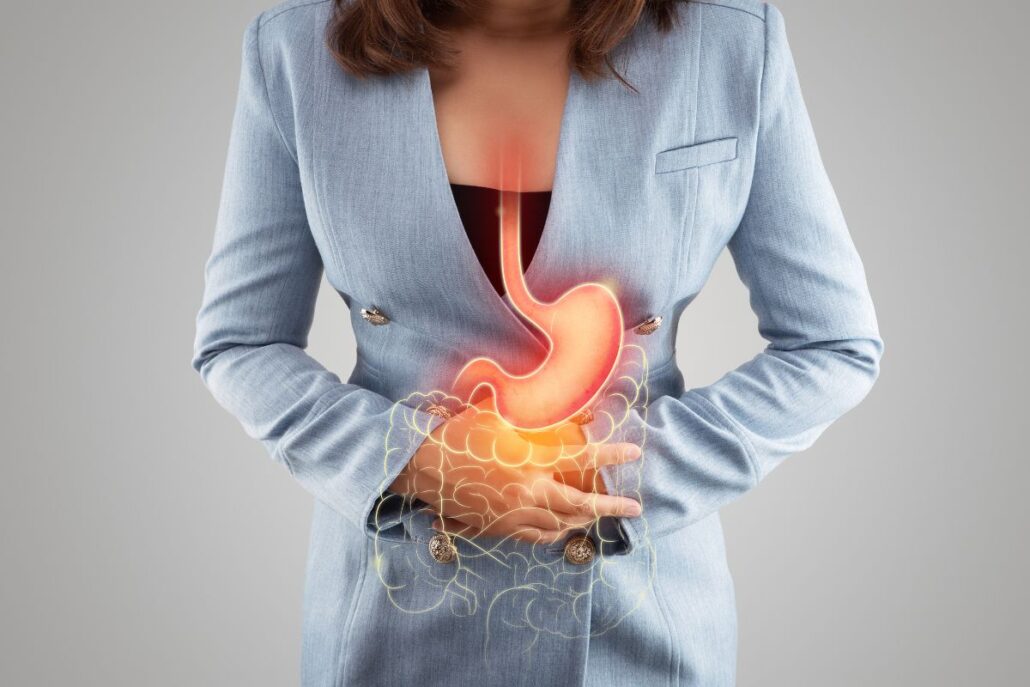
The backflow of stomach juices, including acids and occasionally ingested foods, constitutes gastroesophageal reflux disease or GERD.
GERD Symptoms
Common esophageal symptoms of GERD include:
- Repeated bouts of heartburn
- Difficulty swallowing
- Hoarseness
- Lump-in-the-throat sensation
- Chronic cough and throat-clearing
- Mucus build-up in the throat
Approximately 20% of U.S. adults experience GERD symptoms. Contact Penn Medicine Becker ENT & Allergy for expert care.
What is the relationship between GERD and sinusitis?
Sometimes, the symptoms of GERD can mimic some of the symptoms of sinusitis. The sensation of post nasal draining and the need to clear your throat constantly may be due to post nasal drip — but may also be due to GERD. The sinus specialist may therefore examine you in the office to see if there is physical evidence of GERD.
-
What causes GERD?
There is a one-way valve near the top of the stomach, this is because, ideally, things should go from the esophagus into the stomach and not the other way around. Stomach acid can escape through a weakened valve and travel up the esophagus — even up to the voice box and throat — and produce the symptoms listed above.
-
How do you diagnose GERD?
Heartburn is easily recognized by the family doctor. However, some of the symptoms relating to the throat and voice box should be evaluated by a specialist. The specialist will then perform a complete examination, including taking a look at the voice box with a small endoscope placed through the nose. If you have GERD, your sinus specialist may ask you to also see a gastroenterologist.
-
Are there any diagnostic tests?
To evaluate GERD, additional tests may be ordered (or performed) by a gastroenterologist, such as a Barium swallow to monitor dye as it moves through the stomach, a PH monitoring test to record 24-hour acid reflux, and Endoscopy to check for esophageal damage and stomach irritation or ulceration.
-
How is GERD managed?
Laryngopharyngeal reflux (LPR) is a type of GERD that causes stomach acid to travel up into the throat, larynx, and pharynx. This acid can cause sore throat, hoarseness, coughing, and difficulty swallowing. Treatment includes dietary changes, medication, and surgery. Consult with a doctor to find the best plan. Relief from GERD is most commonly achieved through lifestyle changes and/or medical treatment. Surgery is available for refractory cases.
Best Lifestyle Changes for GERD Relief
- Don’t drink alcohol, it irritates the stomach and increases acid production.
- Don’t smoke.
- Avoid clothing that is tight around the waist — corsets, belts.
- Avoid bending over.
- Lose weight if you are overweight after consultation with your healthcare provider.
Dietary Modifications
You may wish to avoid coffee and tea, carbonated beverages, alcohol, fatty fried foods, spicy food, citrus fruits and juices, tomato juice, orange juice, grapefruit juice, tomatoes, onions, peppermint, spearmint, chocolate, cheeses, and eggs.
Avoid large meals, especially in the evenings. Do not lie down right after eating. Allow three to four hours after supper and lying down. Make the mid-day meal the heavier meal of the day and eat small, well-balanced meals.
Medical Treatment for GERD
Medical treatment for GERD aims to neutralize or reduce stomach acid and improve gastric emptying. Neutralization can be done using over-the-counter antacids like Sucralfate suspension, Maalox, and Ryopan. Acid reduction can be done with H-2 blockers, such as Cimetidine, Ranitidine, or Famotidine. Lower doses are also now available over-the-counter.
Antacids and H-2 blockers should be taken one hour apart as antacids may reduce the other drugs’ effectiveness. New drugs like Omeprazole (Prilosec) and Nexium completely stop stomach acid production. These drugs are generally prescribed for short-term use.
Improving gastric emptying can be undertaken by Cisapride, Metoclopramide, Bethanachol, Proton pump inhibitors (PPIs), and other drugs. These drugs increase the squeezing action of the esophagus and tighten the esophageal sphincter, in addition to making the stomach empty faster.
You should discuss your condition with your healthcare provider prior to starting medication for GERD.

Surgical Treatment of GERD
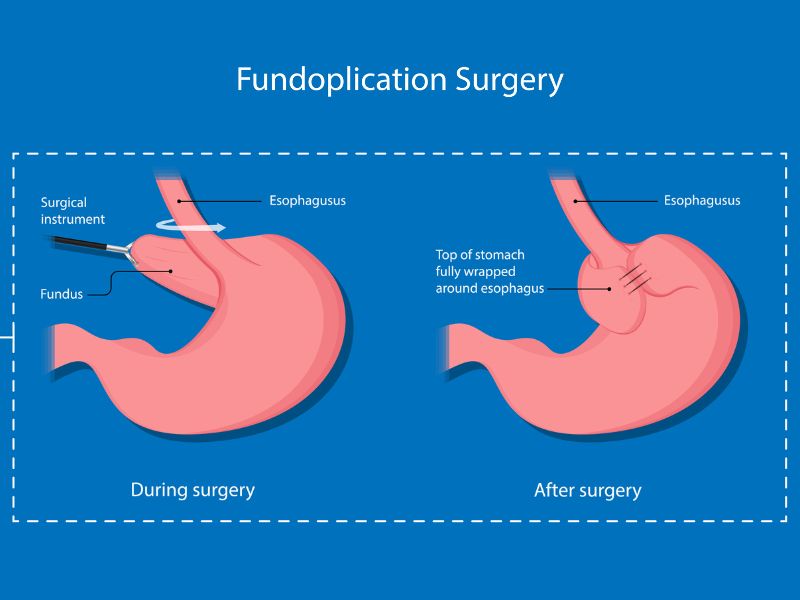
Surgery is a last option if diet and medication don’t ease GERD or the patient has difficulty following them. “Fundoplication” is a surgical procedure that wraps the stomach around the esophagus to reduce reflux. It’s better to opt for medical treatment if possible to control GERD.
“My experience with Becker ENT has been very positive. I have seen with Ms. Alyssa Molfese, Dr. Joanna Kam, and Ms. Melissa Allibone. They are all friendly, helpful, and professional. I have frequent sore throat due to reflux and allergy, and they are helpful in identifying the issue and correcting it.”
— Shifei
Why Choose an ENT Specialist?
Choosing an experienced ENT specialist for your GERD treatment ensures the highest level of expertise and care. Our team at Becker ENT & Allergy has extensive experience in managing GERD and providing advanced reflux solutions.
Post-Procedure Care:
- Board-certified and highly trained ENT doctors.
- State-of-the-art technology for precise diagnosis and treatment.
- Personalized care tailored to each patient’s needs.
- Convenient locations across Philadelphia.
- Commitment to patient safety and satisfaction.
convenient locations in NJ & PA
Frequently Asked Questions About
GERD
How do you permanently cure GERD?
The best way to permanently cure GERD is with a combination of medical conditions and treatments, such as lifestyle changes (dietary modifications, weight loss, stress reduction) and medications (antacids, H2 receptor blockers, proton pump inhibitors). In some cases, surgery may be an option. It is important to talk to your doctor about the best treatment plan for you.
Can acid reflux cause mucus in the throat?
Yes, acid reflux can cause mucus in the throat, often leading to a dry cough. When stomach acid rises up into the esophagus, it can irritate the throat and lead to a postnasal drip of mucus that accumulates in the back of the throat. This can result in a sensation of mucus buildup and coughing.
What is the best medicine for GERD?
The best medicine for GERD will depend on the severity of your symptoms and individual health needs. Common medications commonly prescribed for the treatment of GERD include antacids, H2 receptor blockers, proton pump inhibitors, and prokinetics. Talk to your doctor about which medication is best for you.
What GERD treatment office is near me?
If you live in the states of New Jersey or Pennsylvania, Penn Medicine Becker ENT & Allergy Center offers treatment for GERD among its services. For a full list of services, please visit our Locations page.