




A sudden spinning sensation can be alarming, especially when it comes out of nowhere. Vertigo often feels more intense than ordinary dizziness and can interfere with walking, working, or even keeping your balance. Many people experiencing these symptoms wonder whether urgent care for vertigo is the right choice or ask themselves, should I go to urgent care for vertigo, or is this something that can wait?
At Penn Medicine Becker ENT & Allergy, patients across New Jersey and Philadelphia frequently seek care for vertigo and balance concerns. With expertise in ear-related conditions and access to on-site testing, ENT specialists help patients understand their symptoms and determine the safest and most appropriate next step.

 Important Medical Notice
The information provided below and throughout this website is presented for general educational purposes only and does NOT constitute professional medical advice. This information is NOT a substitute for professional medical advice and NO material on this site is intended to be a substitute for professional medical advice. Always seek the guidance of your doctor or other qualified health professional with any questions you may have regarding a health or a medical condition. Never disregard the advice of a medical professional or delay in seeking it because of something you have read on this website.
What You Should Know About Vertigo and Dizziness
- Vertigo is a specific type of dizziness that creates a spinning or moving sensation.
- It often starts suddenly and can be accompanied by nausea or imbalance.
- Many causes of vertigo involve the inner ear.
- Some vertigo symptoms can be monitored briefly, while others need same-day medical attention.
- ENT-led urgent care can help identify the cause and guide treatment.
What Vertigo Feels Like and Why It Can Be Scary
Vertigo is often described as the sensation that the room is spinning or tilting, even when you are standing still. Unlike occasional dizziness from dehydration or standing up too quickly, vertigo can feel intense and disorienting.
Beyond “Just Dizzy”: Common Vertigo Symptoms
Vertigo symptoms may include severe dizziness, nausea, vomiting, imbalance, and difficulty focusing. Some people notice tinnitus or a feeling of fullness in the ear. These symptoms can make everyday tasks difficult and may raise concern about more serious conditions.
The “Eye-Dancing” Effect and Balance Changes
Rapid, involuntary eye movements, sometimes described as an “eye-dancing” effect, can occur during vertigo episodes. This response is linked to the inner ear and balance system and often worsens the spinning sensation.
Why Vertigo Disrupts Daily Life
Because vertigo affects balance and spatial awareness, even short episodes can interfere with driving, working, or walking safely. This disruption is often what prompts people to seek medical care.
Knowing When Vertigo Can Wait and When It Shouldn’t
Not every vertigo episode requires immediate urgent care, but certain patterns help guide decision-making.

Vertigo Symptoms That May Be Safe to Monitor Briefly
Occasional dizziness or mild vertigo that improves within a short period, especially when linked to dehydration, medication side effects, or a known migraine pattern, may be monitored with rest and hydration. If symptoms are improving and no new signs appear, urgent care may not be necessary right away.
Signs It’s Time to Seek Urgent Care for Vertigo
Vertigo that has a sudden onset, becomes severe, or is accompanied by vomiting, fainting, or difficulty walking should be evaluated promptly. Persistent vertigo symptoms, severe dizziness, or episodes that interfere with daily activities often warrant same-day care at an urgent care clinic.
Secure Your Safe Treatment Experience with PennMedicine
Join our satisfied clients who’ve experienced safe, effective treatments.
Why Choosing an ENT-Led Urgent Care Matters
Vertigo frequently involves the inner ear and vestibular system. This is where ENT-led urgent care offers a clear advantage.
Precision Diagnosis by a Doctor for Dizziness
ENT specialists are trained to evaluate vestibular disorders, inner ear issues, and conditions such as vestibular neuritis or labyrinthitis. Their experience with balance-related conditions allows for a more precise evaluation of vertigo symptoms.
Same-Day Expertise and Focused Evaluation
Urgent care at Penn Medicine Becker ENT & Allergy provides access to same-day evaluation by providers who routinely manage vertigo. This focused experience helps distinguish between inner ear disorders and other causes.
Equipment and Testing That Support Accurate Care
On-site testing and examination tools allow providers to assess balance, eye movements, and ear function. This helps guide a targeted treatment plan rather than a generalized approach.
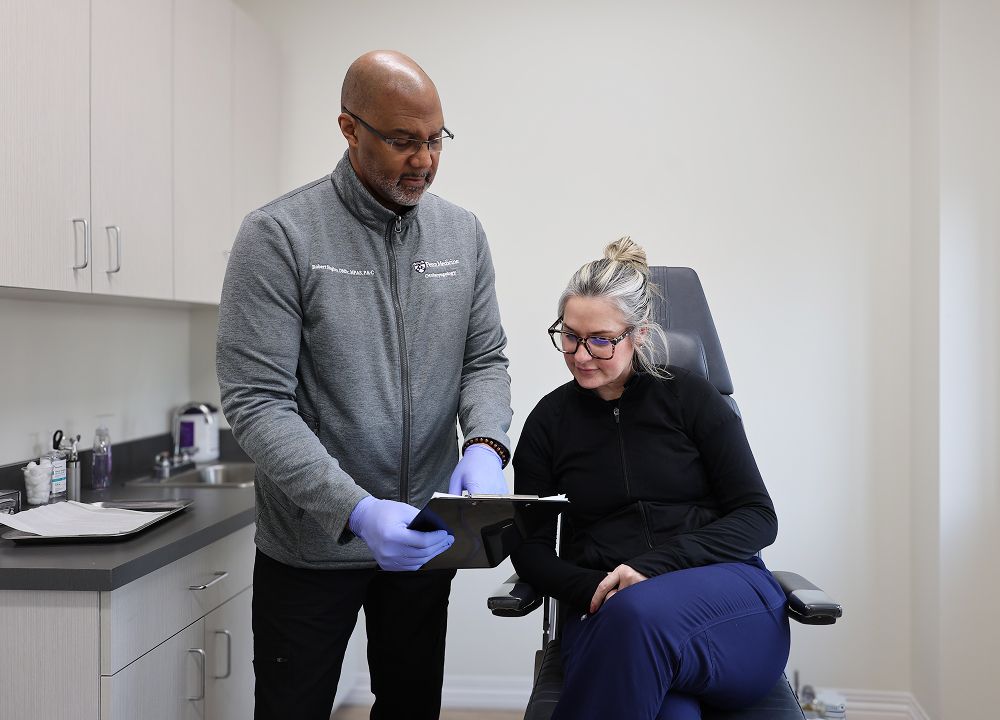
What to Expect When You Seek Medical Care for Vertigo
Knowing what happens during an urgent care visit can reduce anxiety.
Questions a Doctor May Ask About Your Symptoms
Providers will ask about symptom onset, duration, triggers, and whether dizziness is associated with nausea, headache, tinnitus, or hearing changes. Information about recent illness, medication use, or migraines is also important.
Tests Used to Help Diagnose Vertigo
Evaluation may include balance testing, eye movement assessment, and ear examination. These tests help determine whether symptoms stem from the inner ear, vestibular system, or another cause.
Why Vertigo Often Starts in the Inner Ear
Many cases of vertigo originate in the inner ear, which plays a key role in balance. Conditions such as vestibular neuritis, labyrinthitis, or vestibular migraines can disrupt normal balance signals, leading to sudden dizziness and spinning sensations.
ENT specialists are trained to recognize these patterns and rule out other causes that may require different medical attention.
When Vertigo Needs Emergency Care Instead of Urgent Care
Although many vertigo cases can be handled through urgent care, certain symptoms require immediate emergency room evaluation. These include chest pain, severe headache, neurological symptoms such as weakness or speech difficulty, fainting, or signs of stroke. Vertigo accompanied by these symptoms should not be managed at urgent care.
Vertigo Treatment and Next Steps
Vertigo treatment depends on the underlying cause. Management may include medications to control nausea, balance-specific therapies, or strategies to address inner ear inflammation. In some cases, further evaluation or follow-up care may be recommended.
Early evaluation helps ensure treatment is appropriate and reduces the risk of ongoing or worsening symptoms.
Urgent Care for Vertigo at Penn Medicine Becker ENT & Allergy
Vertigo can be unsettling, but expert evaluation can provide clarity and relief. Penn Medicine Becker ENT & Allergy offers urgent care for vertigo and dizziness concerns for patients throughout New Jersey and the Philadelphia area.
If you are experiencing vertigo symptoms and are unsure whether urgent care is appropriate, scheduling an evaluation can help you understand your condition and receive the right care without unnecessary delay.