




Sudden hearing loss can be confusing and frightening. One moment you’re hearing normally, and the next you notice muffled sounds, sudden deafness, or a rapid decline in one ear. This unexpected change can leave you wondering what’s happening and whether the situation warrants urgent medical attention.
At Penn Medicine Becker ENT & Allergy in Philadelphia, patients experiencing sudden hearing changes can access urgent care appointments with ENT specialists who are experienced in diagnosing and treating hearing loss. Understanding what causes sudden hearing loss, recognizing the symptoms, and knowing when to seek urgent help can make a real difference in protecting your hearing health.
 Important Medical Notice
The information provided below and throughout this website is presented for general educational purposes only and does NOT constitute professional medical advice. This information is NOT a substitute for professional medical advice and NO material on this site is intended to be a substitute for professional medical advice. Always seek the guidance of your doctor or other qualified health professional with any questions you may have regarding a health or a medical condition. Never disregard the advice of a medical professional or delay in seeking it because of something you have read on this website.
What Sudden Hearing Loss Really Means
Sudden hearing loss refers to a rapid decline in hearing ability that occurs over a short period of time — sometimes within minutes or hours or a few days. When this happens quickly and unpredictably, the condition is often called sudden hearing loss or, in some cases, sudden sensorineural hearing loss (SSNHL).
Sensorineural hearing loss involves the inner ear or the auditory nerve pathways that carry sound signals to the brain. Because this type is linked to nerve damage, it differs from hearing loss caused by blockage or earwax or fluid buildup, and it often requires timely specialist care.
How Quickly Can Sudden Hearing Loss Happen?
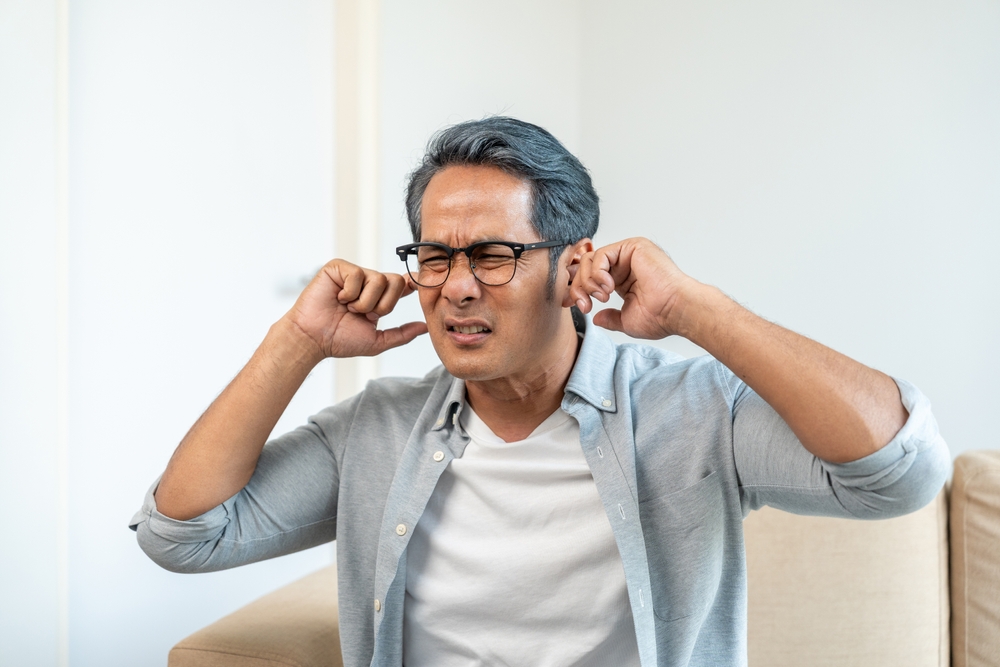
Hearing loss can occur in an instant or over the span of a few days. Some people wake up unable to hear normally in one ear, while others notice sounds fading or becoming muffled during the day. Symptoms may include ringing in the ear (tinnitus), dizziness, or a feeling of fullness, which adds to the urgency of seeking evaluation.
Prompt medical attention is important because early diagnosis and treatment may improve the chances of restoring hearing and avoiding permanent damage.
Common Causes of Sudden Hearing Loss
There is no single cause of sudden hearing loss. Instead, multiple medical conditions and factors can play a role.
Inner Ear Nerve Involvement
The inner ear houses delicate sensory cells and nerves that transmit sound information to the brain. When these cells or the auditory nerve are affected, sound perception can be disrupted. Conditions such as viral infections or autoimmune reactions that inflame inner ear nerves may trigger sudden hearing loss.
An acoustic neuroma — a benign tumor on the auditory nerve — can also affect hearing, though this is less common.
Viral Infections
Some viral illnesses affect hearing by causing inflammation or damage to inner ear structures. These infections can happen after a cold, flu, or upper respiratory illness, even if other symptoms have already resolved.
Circulatory or Blood Flow Issues
Changes in blood flow to the inner ear may also affect hearing. Because the inner ear depends on a delicate supply of blood, any interruption can interfere with normal auditory function.
Medication-Related Causes
Certain medications are known to be ototoxic drugs — meaning they can affect hearing. Patients taking such medications should be aware of potential hearing changes and discuss any concerns with their doctor.
Other Medical Conditions
Underlying conditions such as Ménière’s disease or multiple sclerosis may be associated with sudden hearing loss. These disorders may also come with additional symptoms such as dizziness, balance problems, or tinnitus.
Secure Your Safe Treatment Experience with PennMedicine
Join our satisfied clients who’ve experienced safe, effective treatments.
Recognizing the Symptoms of Sudden Hearing Loss
Sudden hearing loss often comes with a combination of symptoms that go beyond just not hearing clearly.
Common signs include:
- Rapid loss or muffling of sound in one ear
- Tinnitus or ringing in the affected ear
- Dizziness or balance changes
- A sudden sensation of fullness or pressure in the ear
- Difficulty understanding speech
Sudden changes like these — especially when they happen quickly — are more than just mild hearing concerns and should be evaluated promptly.
When to Seek Urgent ENT Care
Sudden hearing loss is considered a medical emergency because hearing may be permanently affected if left untreated.
You should seek urgent medical attention when:
- Hearing loss happens suddenly or over a few days
- You notice rapid changes in hearing
- Tinnitus or dizziness accompanies the loss
- There is a sensation of fullness or pressure in the ear
- Symptoms interfere with your everyday life
At Penn Medicine Becker ENT & Allergy, patients with sudden hearing changes can schedule same-day urgent care appointments with experienced ENT specialists. These visits focus on identifying the cause and recommending timely treatment to help preserve and protect hearing. Patients with other systemic symptoms such as numbness, tingling, weakness in their face or another part of their body should seek care at an Emergency Room in order to make sure that they are not experiencing a stroke, TIA or other serious systemic problems.
What Happens During a Sudden Hearing Loss Evaluation
Initial Examination
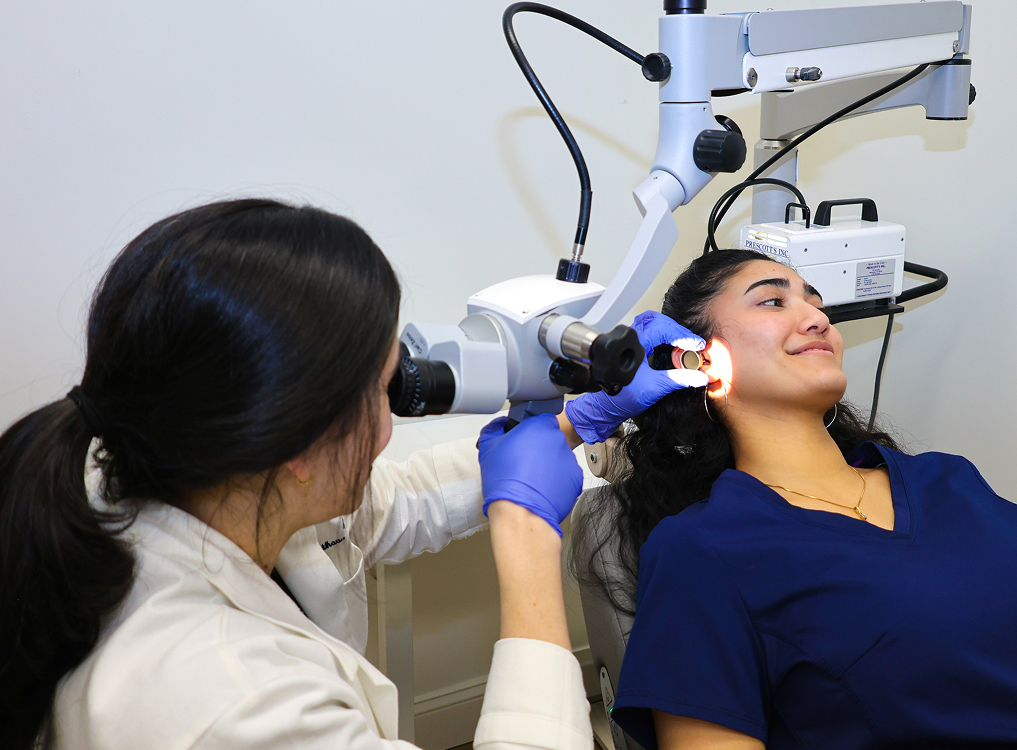
When you arrive for an urgent care appointment, an ENT provider will begin by reviewing your symptoms, how quickly they developed, and any recent illnesses or exposures. A physical examination of the ear canal, eardrum, and middle ear helps rule out simple causes such as earwax buildup or middle ear fluid.
Hearing Tests
Hearing tests help determine whether hearing loss is sensorineural (nerve-related) or conductive (blockage-related). These tests measure how well sound travels through the ear and auditory pathways, guiding the specialist toward the right diagnosis.
Additional testing may include tympanometry to evaluate middle ear pressure or imaging if nerve or structural concerns are suspected.
Treatment Options for Sudden Hearing Loss
Treatment depends on the cause and severity of hearing loss. When diagnosed early, some people may experience significant hearing improvement.
Here are common approaches:
- Steroid therapy to help reduce inflammation of the inner ear
- Treatment of underlying infection or inflammation
- Review of medications to identify potential ototoxic drugs
- Hearing rehabilitation strategies for long-term loss
In more severe cases where hearing does not fully return, hearing aids or cochlear implants may be recommended as part of long-term hearing loss management.
Protecting Your Hearing Health
Though not all cases of sudden hearing loss are preventable, some general habits support long-term ear health:
- Avoiding exposure to loud noise without ear protection
- Using earplugs or earmuffs in noisy settings
- Monitoring medications known to affect hearing
- Seeking regular checkups with an ENT specialist
Being proactive and aware of your hearing can help detect changes early and lead to quicker treatment.
Scheduling an Urgent Care Appointment in Philadelphia
If you experience sudden hearing changes, don’t wait to see if symptoms improve on their own. Prompt evaluation by an ENT specialist can lead to faster diagnosis and a better chance of preserving hearing. As noted above; however, patients with systemic symptoms such as numbness, tingling, weakness in their face or another part of their body should seek care at an Emergency Room in order to make sure that they are not experiencing a stroke, TIA or other serious systemic problems.
Penn Medicine Becker ENT & Allergy offers urgent care appointments in Philadelphia for patients dealing with sudden hearing loss and other ENT concerns. Same-day scheduling is available, helping you get the care you need when time is critical.
Schedule Your Urgent Evaluation for Sudden Hearing Loss
Sudden hearing loss can be distressing, but quick action and expert care can make a meaningful difference. Penn Medicine Becker ENT & Allergy provides urgent ENT evaluation and treatment for sudden hearing changes, helping patients understand the cause and begin appropriate care.
Scheduling an urgent care appointment is an important step toward protecting your hearing and getting answers about your symptoms.