




Oral Appliances
Custom oral appliances for snoring and obstructive sleep apnea.
- Designed to keep the airway open during sleep.
- May reduce snoring, gasping, and frequent awakenings.
- Personalized fitting and follow-up care.
- Same-day or next-day appointments often available.








Important Medical Notice
The information provided below and throughout this website is presented for general educational purposes only and does NOT constitute professional medical advice. This information is NOT a substitute for professional medical advice and NO material on this site is intended to be a substitute for professional medical advice. Always seek the guidance of your doctor or other qualified health professional with any questions you may have regarding a health or a medical condition. Never disregard the advice of a medical professional or delay in seeking it because of something you have read on this website.
Wearing an oral appliance can significantly improve sleep quality, reduce daytime sleepiness, and enhance overall health and well-being. At Becker ENT & Allergy, our board-certified ENT doctors use their specialized training and knowledge of the airway, facial structures, and sleep medicine to develop an optimal treatment plan for each patient.
What Are Oral Appliances Used For?
Oral appliances serve as a non-invasive alternative or a complementary therapy for individuals struggling with nighttime breathing problems. Below are some of the common issues they address:
-
Snoring
Chronic snoring can disrupt not only your own sleep but also the sleep of those around you. Oral appliances can help reduce or eliminate snoring by keeping the airway open.
-
Obstructive Sleep Apnea (OSA)
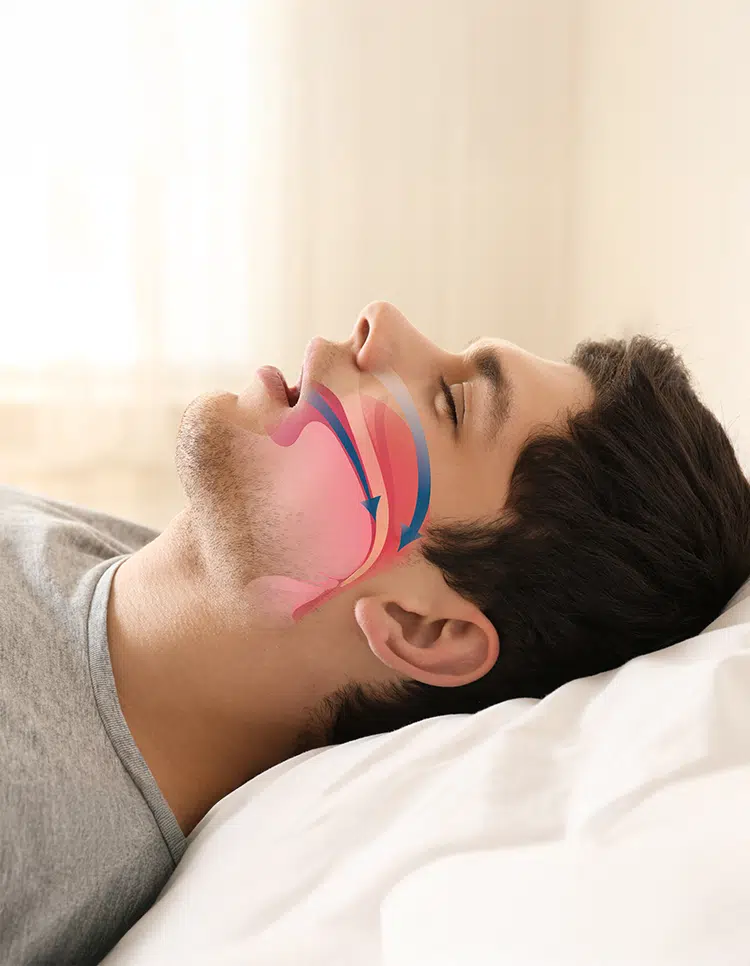
OSA occurs when the tongue and soft tissues collapse into the throat, blocking airflow. An oral appliance can reposition the jaw or tongue to maintain an open airway.
-
Upper Airway Resistance Syndrome (UARS)
Similar to OSA, UARS involves partial blockage of the airway and can lead to disturbed sleep. An oral appliance may help improve airflow and reduce awakenings.
-
Mild to Moderate Sleep Apnea
For those whose apnea is not severe or for those who cannot tolerate a continuous positive airway pressure (CPAP) machine, oral appliances can be an effective alternative.
Different Types of Oral Appliances Oral Appliances
Mandibular Advancement Devices (MADs)
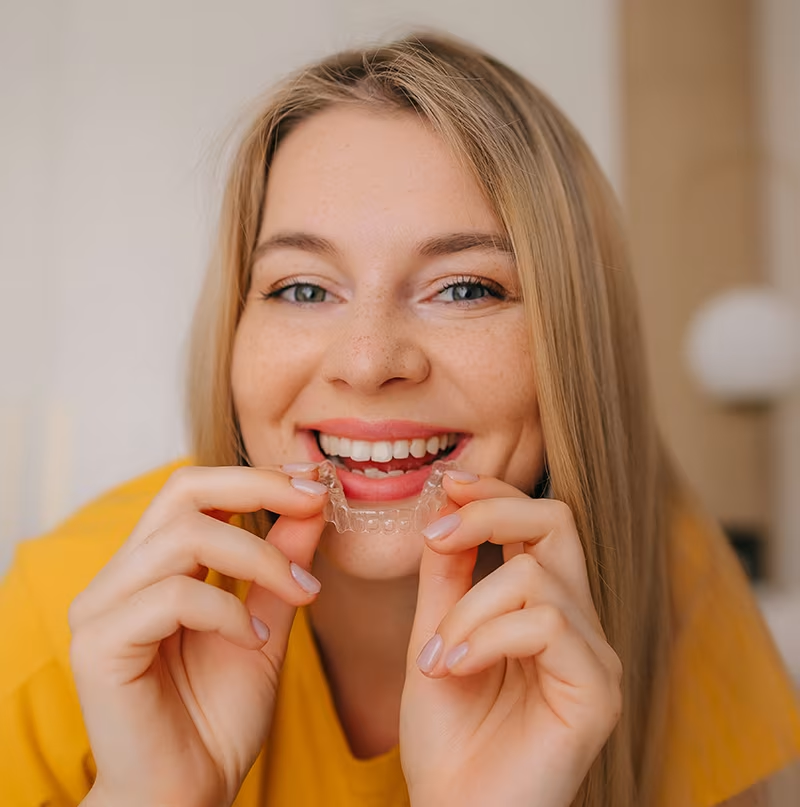
Mandibular Advancement Devices are the most widely used oral appliances for snoring and sleep apnea. They work by gently moving the lower jaw (mandible) forward, thereby preventing the tongue from falling back into the airway.
- Typically made of hard acrylic or similar materials.
- Custom-fitted for comfort.
- Adjustable to find the ideal jaw position.
Tongue Retaining Devices (TRDs)
Tongue Retaining Devices hold the tongue in a forward position to prevent it from collapsing into the throat.
- Often recommended for patients who cannot tolerate MADs.
- May be beneficial for individuals with specific tongue anatomy or those with fewer teeth.
- Achieves similar results in maintaining an open airway.
Combination Appliances
Combination appliances may include both mandibular advancement and tongue retention features.
- Ideal for certain patients who need additional stability.
- Customized to address multiple anatomical factors
Specialized Orthodontic Appliances
In some cases, particularly if the patient has jaw alignment issues, orthodontic appliances may be used to gradually shift the jaw into a more favorable position over time.
- Requires ongoing adjustments.
- Works well for those who can commit to longer-term use
Candidates for Oral Appliances
Not everyone with snoring or sleep apnea is an ideal candidate for oral appliances. A thorough assessment by an experienced ENT specialist, dentist, or oral surgeon is crucial to determine whether this treatment option is right for you. Below are some factors that might indicate candidacy:
- Mild to Moderate Obstructive Sleep Apnea: Patients diagnosed with mild or moderate OSA may benefit greatly from oral appliance therapy.
- CPAP Intolerance: Individuals who find CPAP (Continuous Positive Airway Pressure) machines uncomfortable, loud, or inconvenient may opt for an oral appliance instead.
- Simple Snorers: Those who snore but do not have a severe form of sleep apnea can also benefit.
- Proper Oral Health: Adequate teeth, healthy gums, and jaw structure are important for fitting and sustaining oral appliance therapy.
- Commitment to Usage: Regular use is essential for successful treatment. Patients must be willing to wear the device every night.
Consultation and Diagnosis for Oral Appliances
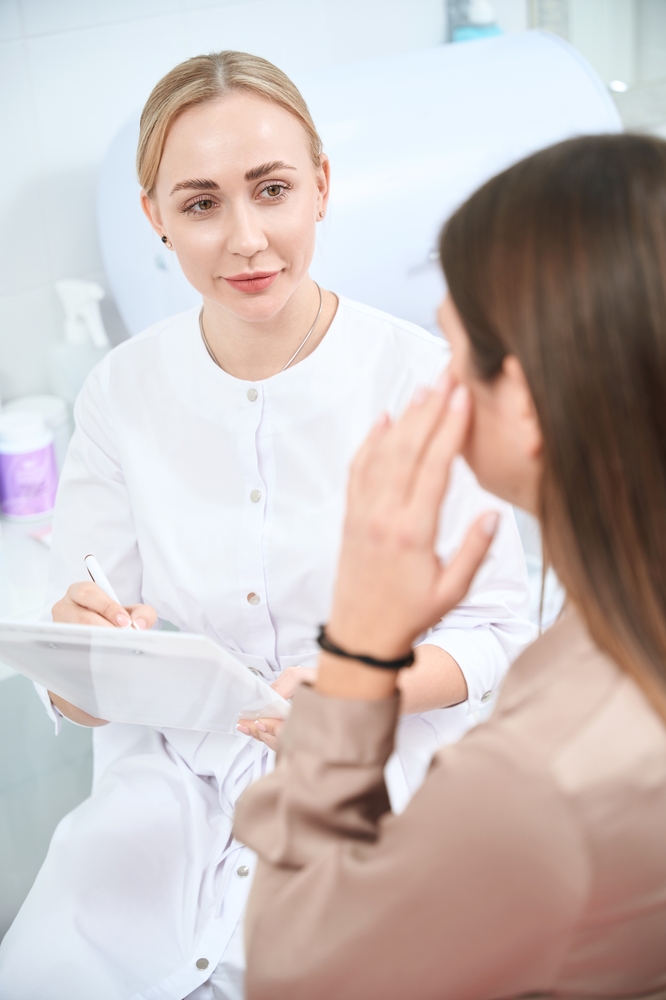
Medical History and Sleep Assessment
- We will ask questions about your sleep patterns, daytime symptoms, and any relevant medical history.
- This often involves looking at previous diagnostic tests, such as a sleep study (polysomnography).
Physical Examination
- A thorough ENT exam helps identify anatomical factors contributing to snoring or sleep apnea.
- Assessment of the oral cavity, jaw, and throat structures provides insight into which type of oral appliance might work best.
Imaging and Diagnostic Tests
- In some cases, a sleep study may be recommended to confirm or rule out obstructive sleep apnea.
- Imaging studies like X-rays or MRIs can offer additional information about jaw and airway anatomy.
Discussion of Treatment Options
- Based on the findings, your specialist will recommend appropriate therapies, which may include an oral appliance, lifestyle modifications, or other interventions.
- This consultation helps you understand all available options and set realistic expectations.
Using an Oral Appliance
Once you have been diagnosed and prescribed an oral appliance, understanding how to properly use and care for it is essential for successful treatment outcomes. Below is a brief overview of how to integrate oral appliance therapy into your routine.
-
Daily Use and Care Instructions
- Cleaning: Rinse the device with lukewarm water after each use and gently brush it with a soft toothbrush to remove debris.
- Storage: Keep the appliance in a protective case to prevent damage and exposure to germs.
- Maintenance: Periodically check for cracks or wear. If you notice any damage, contact our office promptly.
-
Wearing Schedule
- Nightly Use: Wear the appliance every night to ensure consistent results.
- Gradual Adjustment: Some devices have adjustable components. Your specialist may instruct you on how to make minor adjustments for comfort and efficacy.
-
Follow-Up Visits
- Monitoring Progress: Regular follow-ups allow your doctor to track improvement and make adjustments if needed.
- Oral Health Evaluations: Routine dental or ENT check-ups ensure that your teeth, gums, and jaw remain healthy while using the appliance.
Living With an Oral Appliance
Oral appliance therapy offers numerous advantages for those dealing with snoring and obstructive sleep apnea. Understanding these benefits can help you stay motivated and comfortable while wearing your device.
Key Benefits
- Improved Sleep Quality: Patients often report feeling more rested and energetic.
- Reduced Snoring: This not only helps you sleep better but also benefits your partner or roommates.
- Enhanced Overall Health: Managing sleep apnea can reduce the risk of complications like high blood pressure, heart disease, and stroke.
- Portable and Convenient: Oral appliances are small, discreet, and easy to travel with, making them an excellent alternative to CPAP machines.
- Comfort and Compliance: Many patients find oral appliances less cumbersome compared to CPAP, improving long-term adherence.
Living With an Oral Appliance
- Adaptation Period: It may take a few nights or weeks to get used to the feeling of wearing the device.
- Routine Cleaning: Regular cleaning and maintenance keep the device hygienic and prolong its lifespan.
- Regular Check-Ups: Ongoing monitoring ensures that the appliance continues to fit properly and deliver optimal results.
- Lifestyle Adjustments: Combining therapy with good sleep hygiene, a healthy diet, and exercise can further improve your outcomes.
Take the First Step Toward Better Sleep
At Becker ENT & Allergy, we believe that a good night’s sleep is crucial to overall health and well-being. Our highly trained ENT specialists in Philadelphia are dedicated to providing personalized care and effective treatment options, including oral appliances, for patients with snoring and sleep apnea.
Contact us today at one of our convenient Philadelphia offices to schedule a comprehensive consultation. With the right diagnosis and a customized oral appliance, you can look forward to restful, rejuvenating nights and a healthier future.
Trusted by Thousands of Patients Across NJ & PA
“It’s really challenging to choose one provider from the long list of options available. My experience with Becker ENT, more specifically Dr. Rosenstein, has been fantastic. The whole team is very professional and welcoming, and I don’t feel like I’m just a number on the schedule. Def recommend!”
— S. G.

“Dr. Naomi Gregory was not only extremely kind, but skilled and thorough during the procedure. I had a balloon sinusplasty and other procedures done… I highly recommend Dr. Gregory and her entire staff.”
— N.T.
“ENT doctor in Philadelphia Dr. Naomi Gregory was not only extremely kind, but skilled and thorough during the procedure. I had a balloon sinusplasty and other procedures done in the Philadelphia office. She was the consummate professional and I highly recommend Dr. Gregory and her entire staff. Penn Medicine Becker ENT was fantastic with my medical care.”
— Melissa G.

Why Choose an ENT Specialist?
When it comes to diagnosing and treating snoring and sleep apnea, the expertise of an ENT specialist can be invaluable. At Becker ENT & Allergy, our board-certified physicians bring a wealth of knowledge to every case:
- Comprehensive Airway Assessment: ENT specialists are uniquely qualified to evaluate your nasal passages, sinuses, throat, and lower airway.
- Integrated Care: Our team collaborates with other specialists, including audiologists, allergists, and speech therapists, to provide a holistic approach to care.
- Advanced Diagnostic Tools: We use cutting-edge technology, including endoscopy, imaging, and sleep studies, for accurate diagnoses.
- Tailored Treatment Plans: By considering your entire airway and facial anatomy, we can customize an oral appliance that maximizes effectiveness and comfort.
- Continuity of Care: From diagnosis through long-term follow-up, our team remains with you every step of the way.
Philadelphia Locations and Contact Information
At Becker ENT & Allergy, we pride ourselves on offering top-tier care in multiple convenient locations throughout Philadelphia. If you suspect that you or a loved one may benefit from an oral appliance, or if you simply want more information, our team is here to help.
We encourage you to schedule a consultation to discuss your symptoms, undergo a comprehensive evaluation, and learn about the full range of treatments we offer.
South Street Office
1740 South St Suite 401 Philadelphia, PA 19146
Phone: (215) 671-6330
convenient locations in NJ & PA
Frequently Asked Frequently Asked Questions
About Oral Appliances
Below are some common questions about oral appliances, along with in-depth answers to help you make an informed decision regarding your sleep health.
What exactly does an oral appliance do?
An oral appliance repositions the lower jaw or tongue in such a way that the airway remains open during sleep. By preventing tissues from collapsing into the throat, it reduces snoring and apnea events. This allows for uninterrupted breathing and more restful sleep.
How do I know if I need an oral appliance?
You may be a candidate for an oral appliance if you experience chronic snoring, have been diagnosed with mild to moderate obstructive sleep apnea, or are unable to tolerate a CPAP machine. An evaluation by an ENT specialist, dentist, or oral surgeon can help you determine if an oral appliance is right for you.
Can an oral appliance help if my sleep apnea is severe?
Oral appliances are most effective for mild to moderate sleep apnea. If you have severe sleep apnea, you may still benefit, but it is often recommended that you try CPAP first. Your ENT specialist can provide a thorough assessment and personalized treatment plan.
Are oral appliances covered by insurance?
Many health insurance plans offer coverage for oral appliance therapy, especially if it is prescribed for obstructive sleep apnea. Coverage varies, so it is best to check with your insurance provider or speak with our office staff for assistance.
Will I have to wear my oral appliance every night?
Yes, for best results, it is typically recommended that you wear your oral appliance every night. Consistent usage ensures that the airway remains open and helps maintain the therapeutic benefits. Over time, regular use can significantly reduce snoring and improve your overall sleep quality.
How long does it take to get used to wearing an oral appliance?
Most people adapt to the device within a few nights to a couple of weeks. Initially, you may experience minor discomfort or increased salivation. These side effects usually subside as you continue using the appliance, and regular follow-up appointments can address any issues.
Can I travel with my oral appliance?
Absolutely. Oral appliances are compact, making them convenient to travel with compared to bulkier CPAP machines. Just remember to store your appliance in a protective case and follow your usual cleaning routine while you’re away.
Can I get an oral appliance if I have dental work, like bridges or crowns?
In most cases, having bridges or crowns won’t preclude you from using an oral appliance. However, the condition of your teeth and gums is important for ensuring the best fit. Your ENT specialist may coordinate with your dentist to verify that an oral appliance is appropriate for your dental situation.
What if my oral appliance breaks or becomes uncomfortable?
Should your oral appliance break, crack, or become ill-fitting, contact our office immediately. We will schedule an appointment to evaluate and repair or replace the device. Periodic adjustments may be needed to maintain optimal comfort and effectiveness.
What happens if an oral appliance does not improve my snoring or sleep apnea?
If you find that oral appliance therapy is not providing sufficient relief, additional diagnostic tests and alternative treatments may be explored. Options could include adjusting the appliance, combining therapies (e.g., weight management, CPAP), or investigating surgical interventions. The team at Becker ENT & Allergy will guide you through every step to find the most suitable solution.