




Turbinate Reduction
Expert Turbinate reduction in Philadelphia, PA, for chronic congestion and nasal obstruction.
- Evaluation of enlarged turbinates and blocked nasal airflow.
- Minimally invasive treatment to improve breathing.
- Care for turbinate hypertrophy and related sinus symptoms.
- Same-day or next-day appointments often available.








Important Medical Notice
The information provided below and throughout this website is presented for general educational purposes only and does NOT constitute professional medical advice. This information is NOT a substitute for professional medical advice and NO material on this site is intended to be a substitute for professional medical advice. Always seek the guidance of your doctor or other qualified health professional with any questions you may have regarding a health or a medical condition. Never disregard the advice of a medical professional or delay in seeking it because of something you have read on this website.
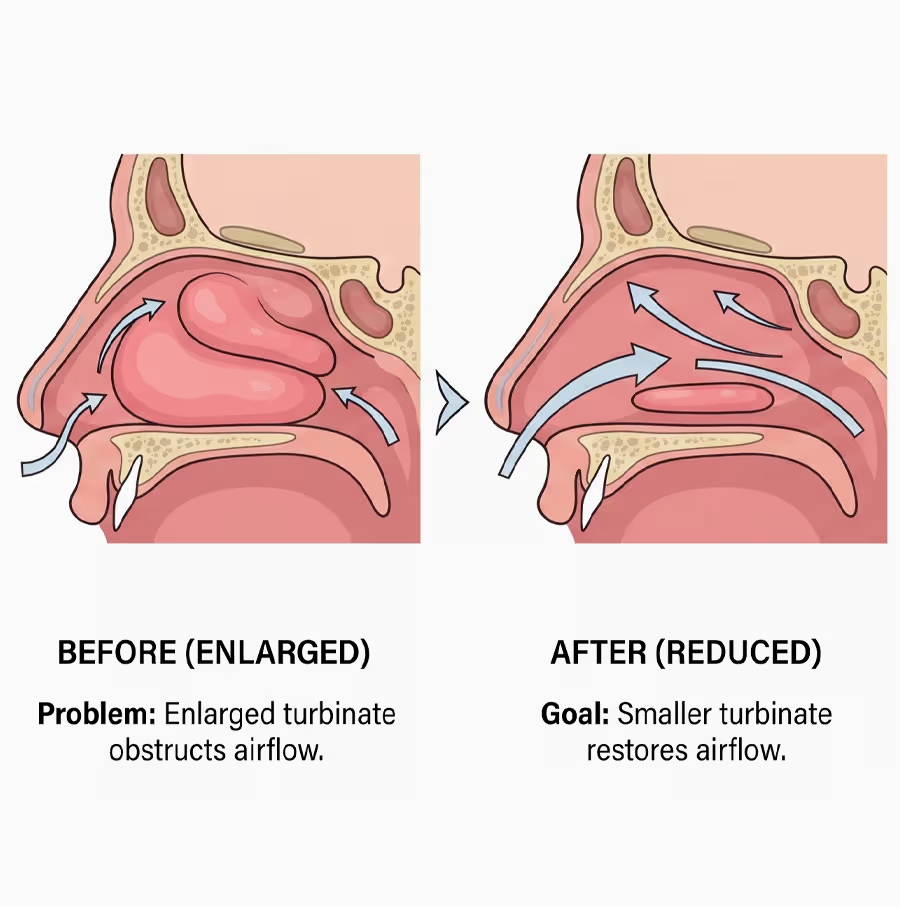
Nasal turbinates are structures inside the nose that help filter, humidify, and direct airflow. When these turbinates become enlarged due to allergies or environmental factors, they can cause significant nasal obstruction. Turbinate reduction is a minimally invasive procedure designed to decrease the size of these turbinates while preserving their essential function. If you suffer from persistent nasal congestion, difficulty breathing through your nose, or snoring related to nasal blockage, turbinate reduction may be a beneficial solution for you.
What is Turbinate Reduction?
Turbinate reduction is a surgical procedure that reduces the size of the nasal turbinates to improve airflow through the nasal passages. The turbinates are small, bony structures covered by soft tissue that help humidify and filter the air we breathe. However, when they become enlarged due to inflammation, allergies, or chronic sinus issues, they can obstruct normal breathing and lead to discomfort.There are 3-4 turbinates on each side of the nasal cavity. Typically, turbinate reduction surgery refers to the inferior turbinates which run the entire length of the nasal cavity. There are several methods used to perform turbinate reduction, including:
Radiofrequency ablation (RFA)
Coblation
A gentle technique that reduces turbinate tissue while preserving normal function.
Submucosal resection
Involves removing excess tissue while keeping the outer mucosal lining intact.
Laser-assisted reduction
Uses laser energy to decrease turbinate size and improve airflow.
Each technique is selected based on the patient’s specific condition, ensuring optimal results with minimal discomfort.
What Does Turbinate Reduction Treat?
Turbinate reduction is primarily performed to address nasal obstruction and breathing difficulties caused by enlarged turbinates. Patients experiencing the following conditions may benefit from the procedure:
Chronic nasal congestion
Persistent blockage that does not respond to medications.
Allergic rhinitis
Swelling of turbinates due to allergies.
Deviated septum-related obstruction
When a crooked septum contributes to airflow issues.
Sleep disturbances and snoring
Blocked nasal passages can lead to mouth breathing and poor sleep quality.
Postnasal drip and excessive mucus production
A result of prolonged nasal congestion.
By addressing these issues, turbinate reduction can significantly improve breathing, sleep quality, and overall comfort.

Candidates for Turbinate Reduction
Patients who experience chronic nasal congestion that does not improve with medication may be candidates for turbinate reduction. Ideal candidates include:
- Individuals with persistent nasal blockage that affects daily activities.
- Those who suffer from chronic postnasal drip.
- Patients experiencing difficulty breathing through the nose, particularly at night.
- People who rely on oral breathing due to nasal obstruction.
- Those with allergies contributing to turbinate swelling.
- Individuals without significant improvement from nasal sprays, antihistamines, or decongestants.
A consultation with an ENT specialist can help determine whether turbinate reduction is the best treatment option for your specific needs.
Consultation for Turbinate Reduction
Before undergoing turbinate reduction, a comprehensive consultation with an ENT specialist at Becker ENT and Allergy is necessary. During this appointment, the doctor will:
- Review your medical history, including any allergies or chronic sinus issues.
- Perform a physical examination of your nasal passages.
- Use nasal endoscopy to assess the degree of turbinate enlargement.
- Discuss your symptoms and their impact on your daily life.
- Explore alternative treatments and ensure surgery is the best option.
Our team takes a personalized approach to care, ensuring that each patient receives the most appropriate treatment plan for their condition.
How is Turbinate Reduction Performed?
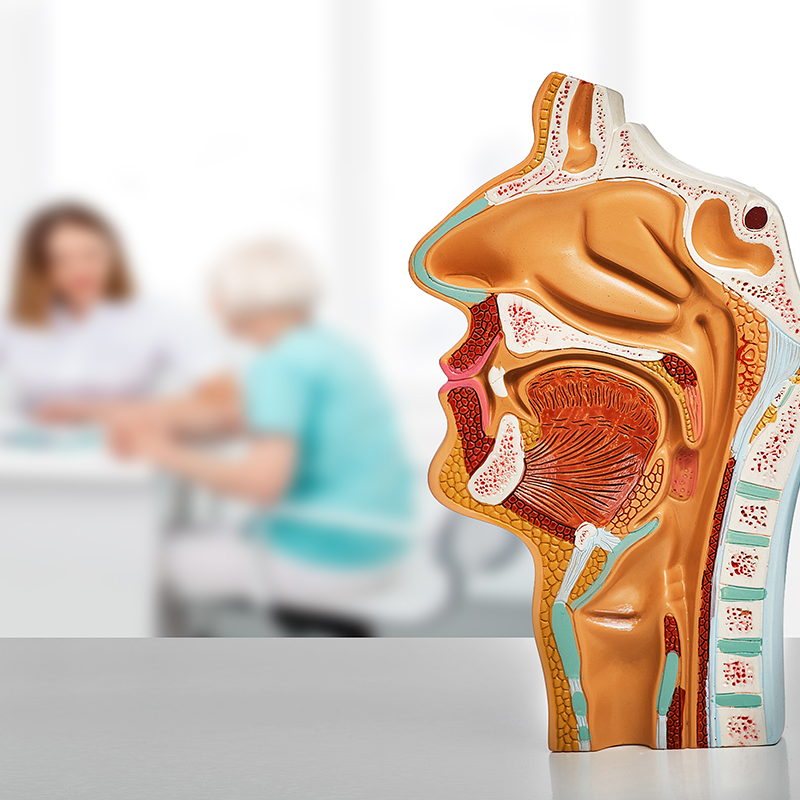
Turbinate reduction is typically performed as an outpatient procedure under local or general anesthesia. The specific method used depends on the patient’s needs:
Radiofrequency Ablation (RFA)
This technique uses heat energy to shrink the turbinates while minimizing tissue damage. It is a quick and minimally invasive procedure with a short recovery period.
Coblation
This method utilizes controlled plasma technology to gently reduce turbinate size while preserving normal nasal function. It is known for causing less tissue damage and promoting faster healing.
Laser-Assisted Reduction
A laser is used to shrink and reshape the turbinates, improving airflow while reducing nasal obstruction. This technique is precise and minimally invasive.
Submucosal Resection
This method involves removing excess turbinate tissue while preserving the mucosal lining to maintain nasal function.
The procedure generally takes around 30 minutes, and patients can return home the same day.

Preparing for Turbinate Reduction
Proper preparation helps ensure a smooth procedure and recovery. Turbinate reduction is often performed either in an Ambulatory Surgical Center or in the Office. Before surgery, patients should:
- Avoid blood-thinning medications like aspirin or ibuprofen, as advised by the doctor.
- Stop smoking, as it can hinder healing.
- Arrange for transportation home after the procedure.
- Follow specific pre-operative instructions given by the surgeon.
Your ENT specialist will provide detailed guidelines tailored to your needs.
Turbinate Reduction Recovery
Recovery from turbinate reduction is typically quick and involves minimal discomfort. Patients can expect:
- Mild nasal congestion and swelling for a few days.
- Minor discomfort or pressure that can be managed with over-the-counter pain medications.
- Avoiding strenuous activities for one to two weeks.
- Following post-procedure care instructions to promote healing.
Most patients experience noticeable improvements in nasal breathing within a few weeks.

“Dr Lupa & his team are amazing! He removed my sons tonsils adenoids & did turbinate reduction with his nose. The whole process was very simple and surgery was completed with an hour time frame. My sons healed within a few weeks. I highly recommend Dr Lupa & his team!”
— Kirsten Clontz

Potential Risks of Turbinate Reduction
As with any surgical procedure, there are some risks involved, although complications are rare. Potential risks may include:
- Temporary nasal dryness or crusting.
- Mild bleeding in the first few days.
- Infection, though uncommon with proper care.
- Over-reduction, leading to Empty Nose Syndrome (rare).
By choosing an experienced ENT specialist, the likelihood of complications is significantly reduced.


Why Choose an ENT Specialist for Turbinate Reduction?
An ENT specialist has extensive training in nasal anatomy and sinus conditions, ensuring safe and effective treatment. At Becker ENT and Allergy, our team offers:
- Expertise in advanced turbinate reduction techniques.
- Personalized treatment plans tailored to each patient.
- Convenient locations throughout Philadelphia.
- A commitment to patient comfort and long-term results.
Philadelphia Locations and Contact Information
Becker ENT and Allergy has multiple locations across Philadelphia for convenient access to expert ENT care. To schedule a consultation, contact us today.
South Street Office
1740 South St Suite 401 Philadelphia, PA 19146
Phone: (215) 671-6330
convenient locations in NJ & PA
Frequently Asked Questions About
Turbinate Reduction
For expert care in turbinate reduction, contact Becker ENT and Allergy today to schedule your consultation!
How long does the turbinate reduction procedure take?
The procedure typically takes around 30 minutes, depending on the technique used. Patients can go home the same day, as it is usually an outpatient procedure. Recovery is relatively quick, with most patients experiencing improved breathing within a few weeks.
Is turbinate reduction painful?
Most patients experience only mild discomfort during and after the procedure. Pain is usually manageable with over-the-counter pain relievers, and significant pain is rare. Any nasal congestion or swelling usually resolves within a few days.
How soon will I notice an improvement in breathing?
Many patients notice an improvement in breathing within a few days to weeks. As swelling subsides, airflow through the nasal passages becomes significantly better. Full results are typically achieved within a few months.
Are the results of turbinate reduction permanent?
In most cases, turbinate reduction provides long-lasting relief. However, factors such as allergies or chronic sinus issues can contribute to regrowth over time. Regular follow-ups with your ENT specialist can help maintain results.
What is the recovery time for turbinate reduction?
Most patients recover within one to two weeks, with mild congestion and swelling during the first few days. Strenuous activities should be avoided for at least a week to allow for proper healing. Nasal breathing usually improves significantly within a few weeks.
Will I need nasal packing after the procedure?
In most cases, nasal packing is not required after turbinate reduction. Some patients may have dissolvable packing to aid healing, but it does not need to be removed. Your doctor will inform you if packing is necessary based on your specific procedure.
Can turbinate reduction help with snoring?
Yes, in some cases, turbinate reduction can help reduce snoring by improving nasal airflow. Many cases of snoring are associated with nasal obstruction, and improving airflow can lead to better sleep quality. However, if snoring persists, additional evaluation and treatments may be recommended.
Are there alternatives to turbinate reduction?
Yes, some alternative treatments include nasal sprays, antihistamines, allergy management, and lifestyle changes. There may also be other procedures to address other contributing factors to nasal obstruction such as a deviated septum, or nasal valve colla[se. A consultation with an ENT specialist can determine the best approach for your needs.
How can I schedule a consultation for turbinate reduction?
To schedule a consultation, contact Becker ENT and Allergy at one of our Philadelphia locations. Our experienced specialists will evaluate your symptoms and discuss the best treatment options for you. We are committed to helping you breathe better and improve your overall quality of life.