Pediatric Asthma

Pediatric asthma care for children in New Jersey and Pennsylvania.

  • Evaluation of coughing, wheezing, chest tightness, and breathing difficulty.
  • Long-term control and quick-relief treatment plans.
  • Trigger identification and prevention guidance to protect lung health.
  • Same-day or next-day appointments often available.
Featured In:
WRAL News logo
Yahoo Finance logo
Herald Boston logo
AP logo
Star Tribune logo
International Bussines Times logo
The Buffalo News logo
Street Insider logo

The information provided below and throughout this website is presented for general educational purposes only and does NOT constitute professional medical advice. This information is NOT a substitute for professional medical advice and NO material on this site is intended to be a substitute for professional medical advice. Always seek the guidance of your doctor or other qualified health professional with any questions you may have regarding a health or a medical condition. Never disregard the advice of a medical professional or delay in seeking it because of something you have read on this website.

What Causes Pediatric Asthma?

Asthma in Children can be frightening to parents but is a common condition that affects millions of children annually. It is defined as a chronic inflammatory disorder of the airways caused by an obstruction. While there is no cure, it is easily managed with a combination of long-term and quick relief treatments that can help your child and prevent lung damage from occurring. Learn more about the causes of asthma in children to better understand what may trigger symptoms and how to manage them effectively.

Table of Contents
    Add a header to begin generating the table of contents

    Asthma in Children:
    What You Need to Know

    Asthma develops when the immune system becomes overly sensitive to a particular trigger. When the body encounters this irritant, the bronchi contract, the mucus membranes swell, and they produce more mucus than usual. This causes the airways to narrow and leads to breathing difficulties. It can be triggered by a number of different factors. It is often hereditary, with no obvious cause. It can be brought on by an upper respiratory infection, allergies, pollution, exercise (yes, exercise-induced asthma is a thing), or a change in the weather.

    Children with asthma or a family history of asthma and upper respiratory diseases such as sinusitis, rhinitis, and reflux are most at risk for contracting it. Other risk factors include allergies, low birth weight, and obesity.

    Understanding the Complexities of Pediatric Asthma
    From Genetics to Environment: Understanding Pediatric Asthma Causes.
    The Common Symptoms of Pediatric Asthma
    Breathing Easy: Understanding the Signs of Pediatric Asthma.

    Pediatric Asthma Symptoms

    The symptoms of pediatric asthma vary depending on the severity and type of asthma. Common signs include wheezing, coughing, chest tightness, shortness of breath, and fatigue. In some cases, these symptoms can be mild or even unnoticeable. In other cases, they can be severe and require immediate medical intervention. Severe asthma attacks may cause difficulty breathing, blue lips/skin color change due to lack of oxygen (cyanosis), rapid pulse rate, and extreme fatigue.

    For children with mild to moderate asthma, lifestyle modifications such as avoiding triggers like pollen or pet dander may help reduce the frequency and severity of symptoms. For those with more severe cases, however, long-term management is essential for them to maintain an active life and avoid acute exacerbations that could lead to hospitalization. 

    A combination of medications including inhaled corticosteroids (for inflammation reduction), bronchodilators (to relax the airways), rescue inhalers (for quick relief during an attack), biologics (to target specific proteins involved in the development of asthma) are often prescribed by allergists and pulmonologists for treatment of children with asthma.


    What to Expect

    Benefits of treating pediatric asthma

    The benefits of treating pediatric asthma are numerous. Treatment can reduce the frequency and severity of asthma attacks, allowing children to lead more active lives. Treatment also helps prevent future exacerbations and can improve overall airway function.

    In addition, treatment can help to reduce other respiratory symptoms like chest tightness, coughing, and shortness of breath. With proper management and treatment, many children with pediatric asthma are able to lead full and healthy lives.

    The benefits of treating pediatric asthma are numerous.
    The benefits of treating pediatric asthma are numerous.
    Brand
    Find Specialized Care Near You

    Schedule your consultation

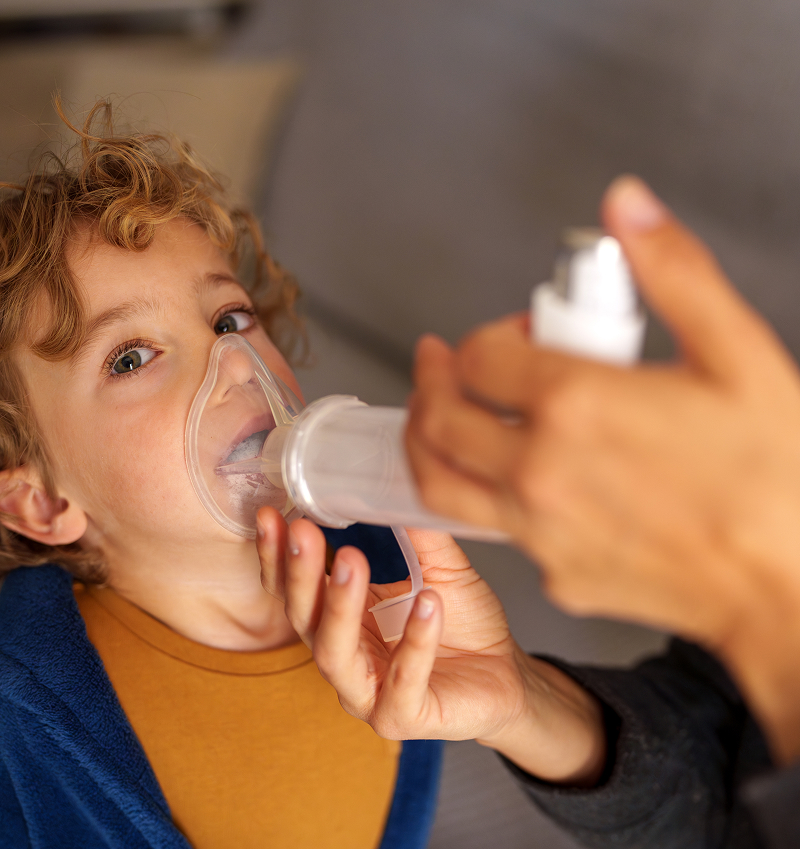
    Young child using a nebulizer mask for asthma treatment while learning about pediatric asthma risks and breathing symptoms.
    Early treatment makes a lasting difference

    Risks of Pediatric Asthma

    Becker ENT and Allergy emphasize the importance of understanding the risks associated with pediatric asthma. This chronic condition is caused by airway obstruction, and it can have serious effects on children’s quality of life if left untreated or poorly managed. The most common symptom of pediatric asthma is chest tightness, which can be mild or severe depending on the severity of the attack. Other potential symptoms include coughing, wheezing, shortness of breath, and difficulty breathing.

    Management of pediatric asthma consists of both long-term and quick relief treatments. Long-term treatments help reduce inflammation and prevent symptoms from occurring in the first place. These treatments may include environmental control measures to reduce exposure to triggers such as pet dander, seasonal allergies, viral infections, and other allergens. Oral corticosteroids may also be prescribed to reduce inflammation in more severe cases. Quick relief medications are used to immediately relieve symptoms during an asthma attack. In some cases, a combination of long-term control medications and quick relief inhalers may be necessary for effective management.

    Managing Pediatric Asthma the Right Way

    At Penn Medicine Becker ENT & Allergy Center we also offer comprehensive treatment plans tailored to each patient’s individual needs. Our team of asthma specialists works with patients to develop personalized treatment plans that include lifestyle modifications as well as evidence-based medical interventions such as pulmonary function testing and allergy tests when appropriate. We strive to provide our patients with the best possible care while also helping them maintain a good quality of life despite their condition.

    Parents need to understand the risks associated with pediatric asthma so they can seek proper medical intervention before symptoms become more severe. With proper management and treatment plans developed by experienced specialists like those at Penn Medicine Becker ENT & Allergy Center, children suffering from this condition can lead full and healthy lives while avoiding more serious complications from uncontrolled asthma attacks

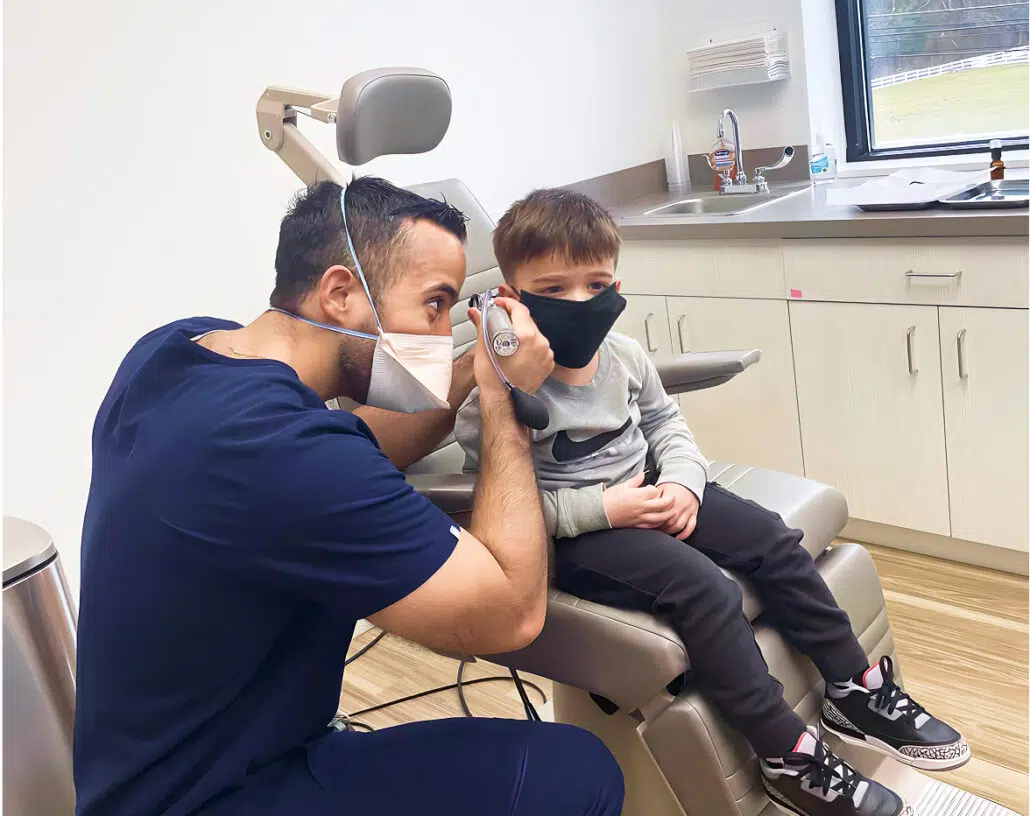
    Pediatric ENT specialist examining a child’s ear during a hearing and ear infection evaluation.
    Our specialists make every visit comfortable for children

    Diagnosing Pediatric Asthma

    “Am I having an asthma attack” is one of the scariest things a parent can hear and diagnosis can be challenging since most of the symptoms are found in other illnesses. Following a physical exam and a discussion of your child’s symptoms and family medical history, his or her doctor will run diagnostic tests to check for asthma. 

    These may include lung function tests using a peak flow meter or spirometer, allergy testing, x-rays, and CT scan. If your child is younger than three years old, a diagnosis may be delayed since asthma medications in very young patients can lead to unknown side effects.

    Most pediatric asthma cases can be diagnosed by a healthcare provider with a physical examination and discussion of symptoms. 

    It is important to discuss any family history of respiratory tract infections or allergies in order to identify any possible asthma triggers.

    Once your child has been diagnosed with pediatric asthma, they will need to develop an Asthma Action Plan with their healthcare provider. This plan should include information on how to identify and avoid triggers, how to recognize early signs of an attack, when and how much medication should be taken, and when it is time to seek medical treatment for severe or persistent asthma attacks. Following closely this action plan can help your child manage their condition safely and effectively.

    How is Pediatric Asthma Treated?

    Penn Medicine Becker ENT & Allergy Office
    Penn Medicine Becker ENT & Allergy Office

    Triggers and Prevention of Pediatric Asthma Attacks

    Triggers for pediatric asthma attacks can vary from person to person. Common triggers include allergens such as pollen, dust, animal dander, and smoke. It is important to identify and avoid potential triggers when possible to reduce the risk of an asthma attack. Allergists may use skin prick tests or blood tests to determine what types of allergens a child may be sensitive to and recommend lifestyle modifications accordingly.

    In addition to avoiding potential triggers, prevention of pediatric asthma attacks should also involve monitoring symptoms closely and initiating treatment promptly if they worsen. Patients with mild asthma should have regular checkups with their healthcare provider to ensure that any changes in symptoms are noted and treated accordingly. If necessary, respiratory therapists or other specialists can be consulted for objective measures such as peak flow readings which can help monitor the severity of the disease and allow for timely interventions if needed. Treatment plans should also include medications such as inhaled corticosteroids or bronchodilators which can help reduce airway inflammation associated with more severe forms of allergic diseases like cystic fibrosis or inflammatory diseases like asthma. By following these steps, it is possible to reduce the risk of exacerbations in children with asthma and improve the overall quality of life in those living with this chronic condition. If you have any questions you can always reach out to one of our pediatric ENT specialists in Monroe.

    Asthma Experts

    Why Choose Our Specialists?

    Button
    Button
    Daniel G. Becker, MD
    Dr. Elias Akl

    Daniel G. Becker, MD

    Dr. Daniel G. Becker, Founder and Medical Director of The Penn Medicine Becker ENT & Allergy Center, is a highly trained, board-certified specialist who graduated magna cum laude from Harvard College in 1986.
    Samuel S. Becker, MD
    Dr. Elias Akl

    Samuel S. Becker

    Dr. Samuel S. Becker, Director of Rhinology at The Penn Medicine Becker ENT & Allergy Center, is a highly trained, board-certified specialist who graduated from Amherst College in 1991 and attended medical school at the University of California San Francisco.

    Kenneth Rosenstein, MD
    Dr. Kenneth Rosenstein

    Dr. Kenneth Rosenstein

    Dr. Kenneth Rosenstein is a highly skilled otolaryngologist with board certification, currently practicing as an ENT Doctor in Philadelphia. He graduated from Plattsburgh State University in 1998 and pursued a Master’s Degree in Speech-Language Pathology at Syracuse University, where he spent 3 years assisting patients in recovering lost or impaired oral and motor skills.

    Naomi Gregory, DO
    Dr. Naomi Gregory

    Naomi Gregory, DO

    Dr. Naomi Gregory is a highly trained, board certified otolaryngologist who specializes in the diagnosis and treatment of diseases of the ear, nose, and throat.

    Dr. Gregory completed medical school at the Philadelphia College of Osteopathic Medicine in Philadelphia PA.

    Michael Lupa, MD
    Dr. Michael Lupa, MD

    Dr. Michael Lupa, MD

    Dr. Michael Lupa, MD is a highly trained, board certified otolaryngologist with additional training in sinus surgery and allergy treatment as well as advanced skull base surgery.

    He studied Biology at Tufts University and went on to complete medical school at Case Western University School of Medicine in Cleveland, Ohio.

    Robert Mignone, DO
    Dr. Robert Mignone

    Dr. Robert Mignone

    Dr. Robert Mignone is a highly trained, board-certified otolaryngologist-head and neck surgeon who attended medical school at New York College of Osteopathic Medicine.

    Aubrey McCullough, DO
    Dr. Aubrey McCullough

    Dr. Aubrey McCullough

    Dr. Aubrey McCullough is a highly trained otolaryngologist, facial plastic and head and neck surgeon who completed medical school at Midwestern University Arizona College of Osteopathic Medicine.

    Luke Kim, MD
    Dr. Luke Kim

    Dr. Luke Kim

    Dr. Luke Kim is an otolaryngologist who specializes in the diagnosis, medical management, and surgical treatment of diseases of the ear, nose, and throat.

    Dr. Kim graduated with honors and with distinction from Cornell University and completed his medical studies at the Perelman School of Medicine at the University of Pennsylvania.

    Pick one of our
    convenient locations in NJ & PA
    FAQs

    Frequently Asked Questions
    About Pediatric Asthma

    Unfortunately, there is no known cure for pediatric asthma. However, symptoms can be managed with lifestyle changes, avoidance of triggers, and medications.
    Children with asthma should avoid strenuous exercise or activities that involve intense exertion. It is also important to stay away from environments where pollen and other allergens may be present in high concentrations.
    Yes! There are a number of treatments available to help manage pediatric asthma including inhaled medications (e.g., bronchodilators and anti-inflammatories), oral medications (e.g., leukotriene modifiers and oral steroids), allergy medications (e.g., antihistamines and immunotherapy), lifestyle changes

    by Samuel S. Becker, MD,

    Call
    Email
    Location
    Close