




Allergies are a common health concern affecting millions of people globally, from North America to the farthest reaches of the world. They occur when your body’s defense system responds too strongly to substances usually harmless, such as pollen, dust mites, or specific foods.
They can strike unexpectedly, leaving you dealing with symptoms like a runny nose, itching, or sneezing. If you’re looking for quick relief, simple home remedies can often help ease discomfort and restore your balance. Whether it’s using saline sprays, staying hydrated, or trying natural antihistamines like honey or quercetin, there are effective ways to manage symptoms right at home. Below, we’ll cover types of allergies and simple tips you can use right away at home.

 Important Medical Notice
The information provided below and throughout this website is presented for general educational purposes only and does NOT constitute professional medical advice. This information is NOT a substitute for professional medical advice and NO material on this site is intended to be a substitute for professional medical advice. Always seek the guidance of your doctor or other qualified health professional with any questions you may have regarding a health or a medical condition. Never disregard the advice of a medical professional or delay in seeking it because of something you have read on this website.
Quick Relief for Allergy Symptoms
- Home remedies like honey and steam can soothe allergies quickly and reduce sinus congestion.
- Using a neti pot can help flush out irritants and ease nasal symptoms of allergies.
- Natural antihistamines like quercetin and vitamin C may reduce allergy flare-ups.
- Dietary supplements like butterbur and bromelain can support the body’s fight against allergens.
- Combining home remedies with professional guidance ensures safe and balanced allergy relief.
What are the Benefits of Natural Solutions for Allergies?
- Natural solutions for allergies are mostly safe and often involve ingredients that are readily available in your home or can be easily obtained from a local grocery store.
- They can be used as standalone treatments or in conjunction with traditional medical therapies such as allergy shots and allergy medications. Natural allergy remedies can provide relief for a variety of allergy types, including nasal allergies, pet allergies, and respiratory allergies.
- They can be particularly beneficial during allergy seasons when pollen counts are high and exposure to allergens such as tree pollen, grass pollen, and bee pollen are increased.
- Natural solutions can be tailored to each individual’s needs and preferences, making them a versatile option. They can also help strengthen the immune system, an essential factor in managing and reducing allergy symptoms.
How Allergies Affect the Body?
When an individual with allergies encounters an allergen, their immune system goes into overdrive, producing antibodies to combat what it perceives as a threat. This could be anything from common allergens like pollen, dust mites, or pet dander to specific food allergies. The immune system’s response triggers a cascade of reactions that result in a variety of allergy symptoms. These symptoms can range from mild to severe.
In the case of nasal allergies (allergic rhinitis, often called hay fever), allergens can directly irritate the nasal cavities, resulting in symptoms such as postnasal drip. To compound the issue, the body releases histamine, a compound involved in local immune responses, which can worsen these symptoms. Increased histamine levels trigger inflammation, leading to itchiness in the nose and eyes, frequent coughing, and other typical allergy symptoms.
9 Natural Remedies for Allergic Reactions
There are several natural remedies that can help manage allergic reactions. Here are a few examples:
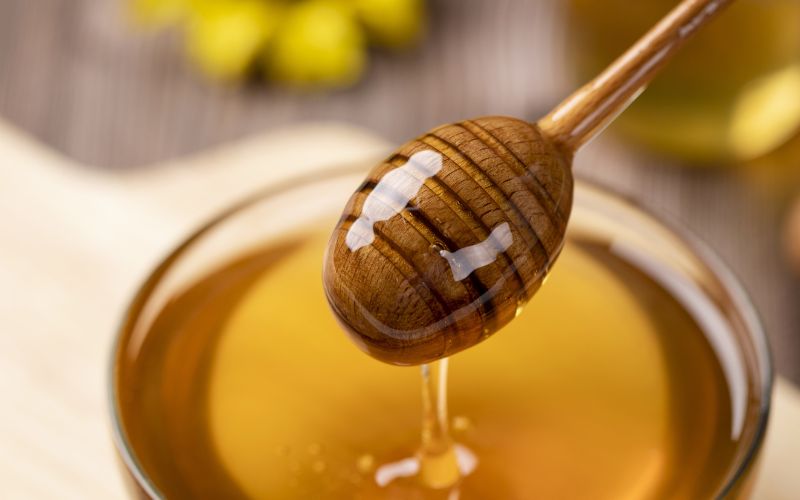
Honey: Nature’s Allergy Fighter
Honey, especially local raw honey, is often touted as a natural remedy for allergies. The theory behind this is that local honey, which is made by bees that collect nectar from local plants, can help desensitize the body to pollen. This is particularly beneficial for those suffering from seasonal allergies, as exposure to pollen is one of the most common allergy triggers.
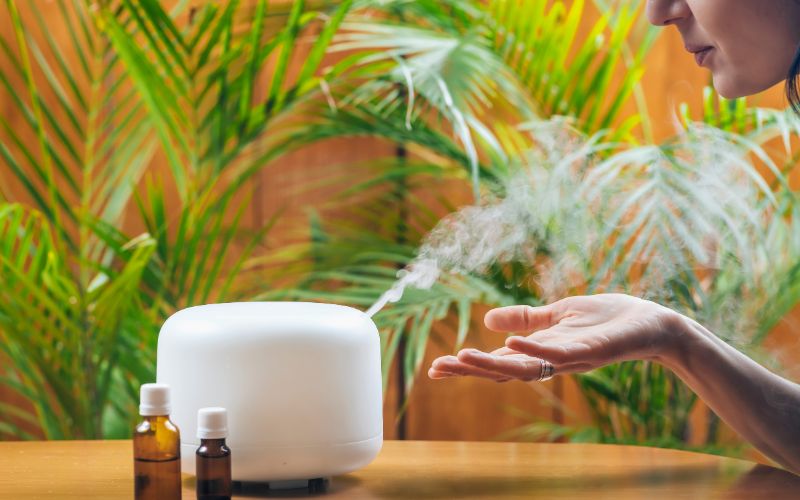
Steam Therapy for Sinus Congestion
Inhaling steam can help clear nasal passages and relieve sinus congestion, a common symptom of allergies. Adding essential oils such as eucalyptus or peppermint to the steam can further enhance its therapeutic effects.
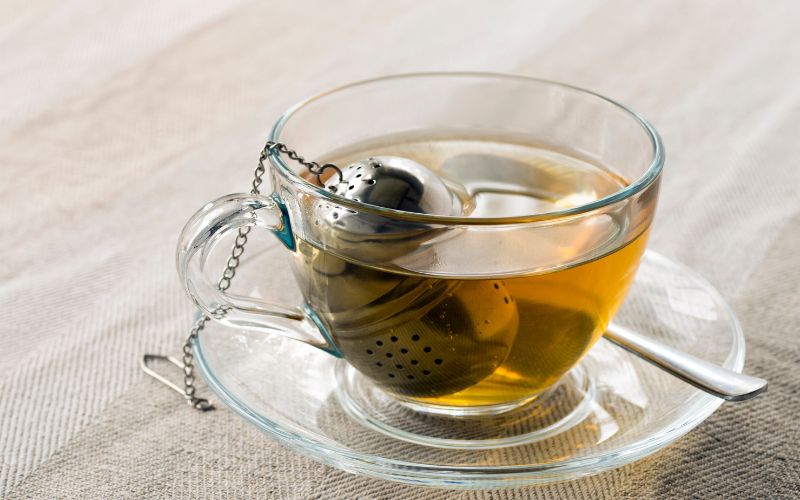
Herbal Infusions for Allergy Relief
Herbs like nettle, peppermint, and chamomile have been used for centuries to soothe allergy symptoms. These herbs can be steeped in hot water to make a comforting infusion.
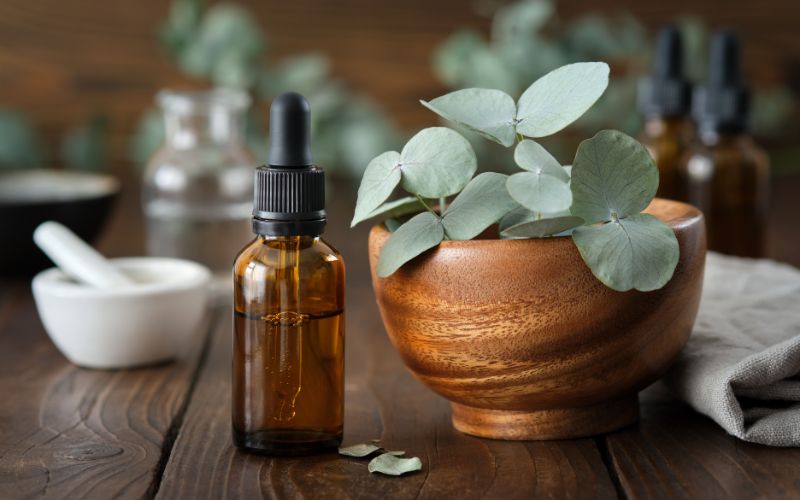
Eucalyptus Oil for Respiratory Health
Eucalyptus oil is known for its powerful anti-inflammatory and decongestant properties. It can be used in a diffuser or added to a steam bath to help clear the airways and reduce allergy symptoms.

Natural Antihistamines (Quercetin, Vitamin C, etc.)
Certain nutrients, such as quercetin and vitamin C, have natural antihistamine properties. They can help reduce the body’s allergic response and alleviate symptoms. These nutrients can be obtained from foods or in supplement form.

Neti Pot: A Natural Nasal Rinse
A neti pot is a device used for nasal irrigation, a practice that involves flushing the nasal passages with a saline solution. This can help remove allergens and reduce nasal congestion.
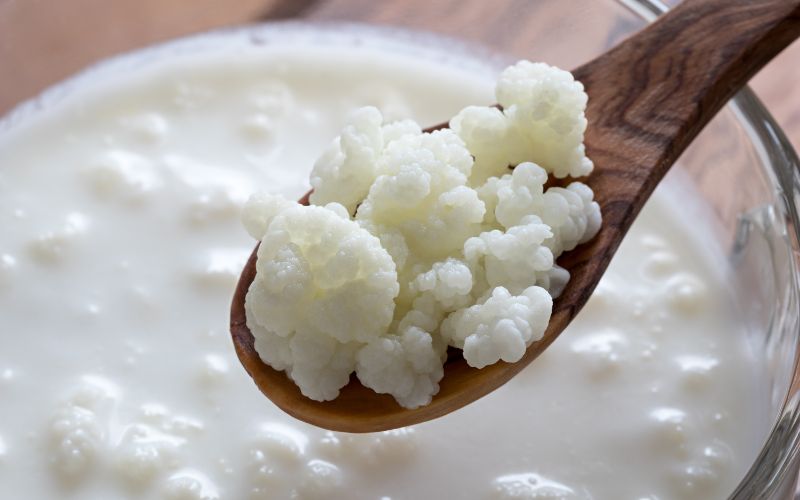
Probiotics for a Healthy Gut
Probiotics are helpful microorganisms often found in fermented foods like yogurt, kefir, and sauerkraut. They can support a balanced gut microbiome, which is important for immune function. A 2017 study suggests that probiotic intake may lessen the severity of nasal allergy symptoms

Dietary Supplements (Butterbur, Bromelain, etc.)
Certain dietary supplements can also play a role in alleviating allergy symptoms. One such supplement is Butterbur, a plant extract that has demonstrated effectiveness comparable to some antihistamines in blocking allergic reactions. Another option is Bromelain, an enzyme found in pineapples, known to reduce nasal swelling and thin mucus, thus easing breathing.
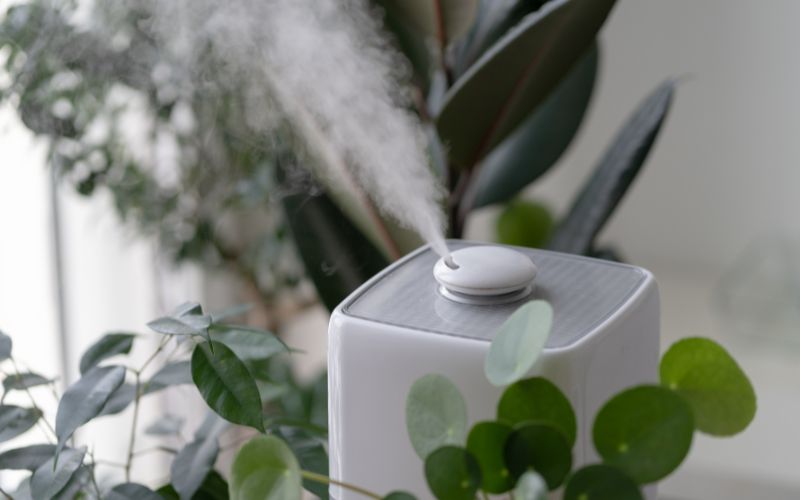
Humidifiers or Air Filters
Humidifiers or air filters help control indoor allergens by regulating moisture and capturing irritants. A humidifier can ease dryness in the nose, while an air filter traps dust and pollen to support easier breathing.
DIY Allergy-Proofing Techniques
Creating an allergy-proof environment at home is an essential step in managing allergies. Here are some strategies you can apply:
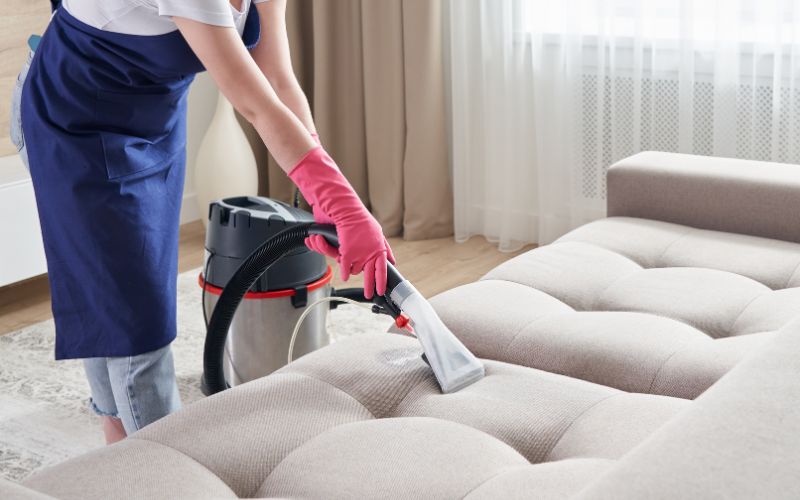
Natural Cleaning Solutions
Regularly clean your home using natural solutions like vinegar and baking soda to eliminate allergens. Avoid using harsh chemical cleaners, as they can trigger allergic reactions.
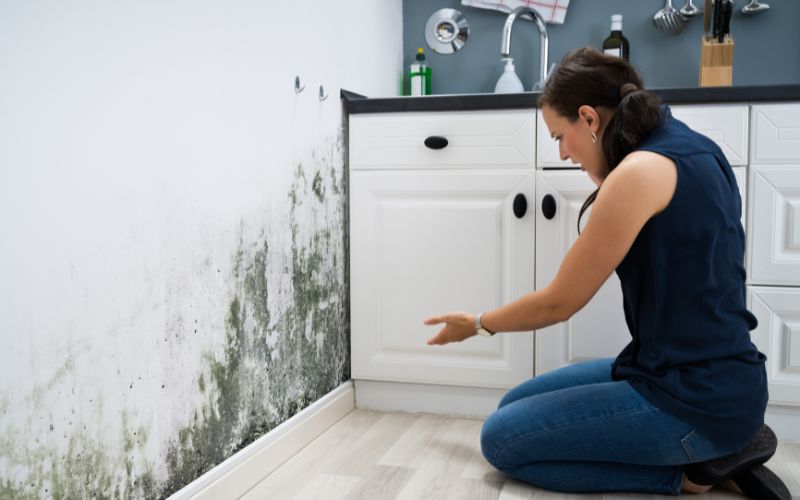
Reducing Allergens at Home
Dust mites, pet dander, and mold are common allergens present in homes. Use hypoallergenic covers for mattresses and pillows, regularly wash bedding in hot water, and use a dehumidifier to keep humidity levels low and prevent mold growth.

Creating Your Personal Allergy Relief Routine
Make a routine of using home remedies like steam therapy, herbal infusions, or nasal rinses regularly to keep allergy symptoms at bay.
Do Not Let Allergies Affect Your Daily Life
Contact Penn Medicine Becker ENT & Allergy offers. We can find practical solutions that help manage and reduce the impact of allergies.
Integrating Home Remedies with Professional Guidance
While home remedies can be effective in managing allergy symptoms, it’s important to remember that they are not a substitute for professional medical advice. One should always check with a medical professional prior to beginning a new treatment plan.
Penn Medicine Becker ENT & Allergy provides a broad selection of allergy treatments. Our team of expert allergists is equipped to diagnose and provide treatment at our clinic in Mullica Hill, NJ, whether you’re near Glassboro, Pitman, Auburn, or Deptford. Contact us today and schedule a consultation.