




Food Allergy Treatment
Food allergy testing and treatment in New Jersey and Philadelphia.
- Evaluation of hives, swelling, digestive symptoms, and breathing reactions.
- Identification of food triggers and personalized management plans.
- Prevention guidance and emergency-preparedness support.
- Same-day or next-day appointments often available.








Important Medical Notice
The information provided below and throughout this website is presented for general educational purposes only and does NOT constitute professional medical advice. This information is NOT a substitute for professional medical advice and NO material on this site is intended to be a substitute for professional medical advice. Always seek the guidance of your doctor or other qualified health professional with any questions you may have regarding a health or a medical condition. Never disregard the advice of a medical professional or delay in seeking it because of something you have read on this website.
Recognizing Symptoms of Food Allergies
Food allergy symptoms can affect various systems of the body, including the skin, respiratory tract, and gastrointestinal tract. Reactions can range from mild to severe and may include hives, difficulty breathing, abdominal pain, and even life-threatening anaphylaxis. Recognizing the signs of an allergic reaction and seeking prompt medical attention is crucial for managing food allergies.

Symptoms of Skin Allergies
Skin allergies associated with food can present as hives, itching, swelling, and redness. These symptoms may appear within minutes to hours after consuming the allergen and can range from mild to severe.
Symptoms of Respiratory Allergies

Symptoms of Gastrointestinal Allergies
Managing the Symptoms of Food Allergies
Managing food allergy symptoms involves avoiding the allergen, and taking medications as needed. Involving healthcare providers and caregivers is also an important part of managing symptoms.
Educate the caregivers about food allergies: what foods to avoid, how to read food labels, and how to recognize and respond to an allergic reaction to ensure the child’s safety.

Treating Food Allergies with Immunotherapy
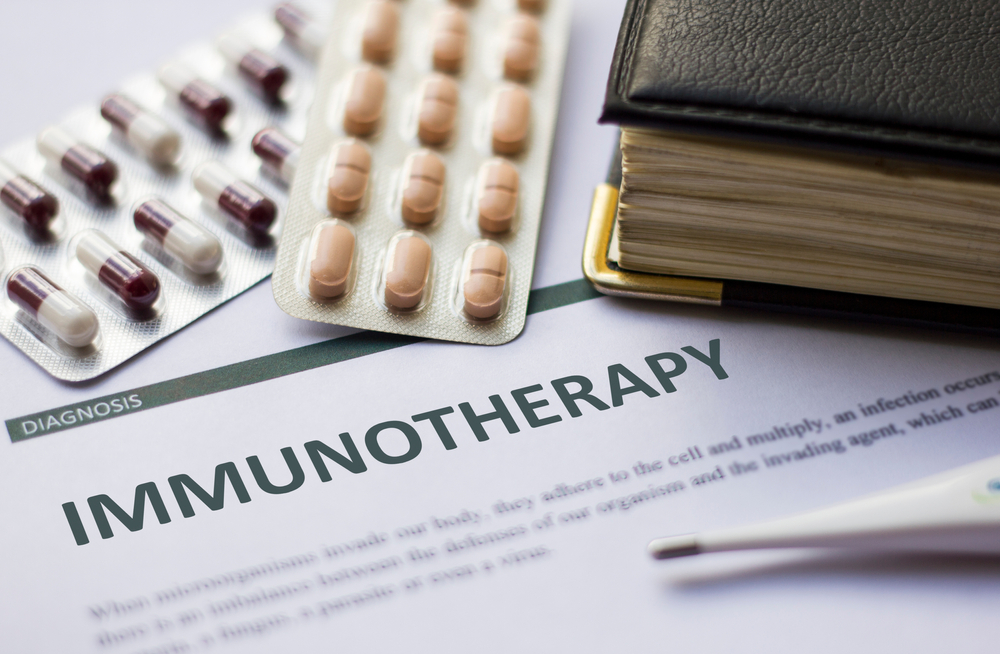
Allergen-specific immunotherapy, such as oral immunotherapy or sublingual immunotherapy, may be recommended to help desensitize an individual’s immune system. This treatment works by gradually exposing the immune system to small amounts of allergenic food, which can help train the immune system to tolerate the food without triggering an allergic reaction.
Immunotherapy can be a treatment option for some food allergies, such as peanut allergies in children ages 4-17. The FDA-approved oral immunotherapy drug Peanut Allergen Powder-dnfp (Palforzia) can help desensitize children with confirmed peanut allergies, reducing the risk of severe reactions. Immunotherapy should be administered under the supervision of a qualified healthcare professional.
At Penn Medicine Becker ENT & Allergy, we do not administer immunotherapy for food allergies; however, we are happy to assist with helping you find a provider in your network who does.

The Benefits of Carefully Monitored Diet Changes for Allergy Patients
Diet changes, such as implementing an elimination diet, can help identify specific food triggers and manage food allergy symptoms. Removing suspect foods for 1-2 weeks and then reintroducing them one at a time can help pinpoint the cause of allergic reactions.
Consulting with a healthcare provider or dietitian for guidance on nutritional supplements and creating a balanced diet is essential for those with food allergies.

Learning Self-Care Strategies to Manage Severe Reactions
Living with food allergies requires developing self-care strategies to manage severe reactions effectively. Connecting with others who have food allergies, educating oneself about their condition, being prepared for emergencies, and creating a safe environment are essential coping mechanisms. Carrying an epinephrine auto-injector and knowing how to use it can be lifesaving during an anaphylactic reaction.

Preventing Food Allergy Episodes
Preventing food allergy episodes involves vigilance in avoiding allergens, reading food labels, and being cautious at restaurants and social gatherings. Cross-reactivity should also be considered, as individuals allergic to specific foods may react to related foods due to similar proteins found in both. For example, individuals allergic to peanuts may also react to other tree nuts or legumes, such as soybeans or lentils.
Always check ingredient labels and be aware of possible cross-contamination risks in food manufacturing facilities. Being aware of potential cross-reactivity can help individuals with food allergies avoid additional triggers and minimize the risk of allergic reactions. Involving caregivers, food allergy testing, and informing them about the child’s food allergies can help prevent allergic reactions.
Treatment Options for Food Allergies
Medications Used to Treat Food Allergies
Several medications can help manage food allergy symptoms, such as antihistamines, corticosteroids, and bronchodilators. Antihistamines block the effects of histamine release which can reduce swelling, itching, and hives, while corticosteroids can help to alleviate inflammation and swelling. Bronchodilators can help ease breathing difficulties by relaxing the airway muscles to improve breathing during an allergic reaction.
Epinephrine Auto-Injector for Severe Reactions
The Benefits of Seeking Professional Treatment for Food Allergies
convenient locations in NJ & PA