




Spring in Robbinsville, NJ, is a season of fresh blooms and warmer days. But for many, it’s also the time when sneezing, itchy eyes, and sinus congestion make daily life uncomfortable. If you deal with spring allergies in Robbinsville, you know how disruptive pollen season can be. The good news is that there are steps you can take now to get ahead of the problem. Spring allergy season preparation can help you breathe easier and enjoy the outdoors without constant worry.
At Penn Medicine Becker ENT & Allergy, our team of experienced ENT specialists and allergists understands the challenges of seasonal spring allergies. With expert care and advanced treatment options, we can help reduce symptoms and improve your quality of life. Here’s what you need to know about preparing for spring allergy season in Robbinsville.
 Important Medical Notice
The information provided below and throughout this website is presented for general educational purposes only and does NOT constitute professional medical advice. This information is NOT a substitute for professional medical advice and NO material on this site is intended to be a substitute for professional medical advice. Always seek the guidance of your doctor or other qualified health professional with any questions you may have regarding a health or a medical condition. Never disregard the advice of a medical professional or delay in seeking it because of something you have read on this website.
Quick Tips for Navigating Spring Allergies
- Spring allergies in Robbinsville are often triggered by rising pollen levels from trees and grasses.
- Preparing early with spring cleaning and lifestyle adjustments makes a big difference.
- Tracking the allergy forecast helps you avoid peak pollen hours.
- Treatments like allergy shots, nasal sprays, and antihistamines can bring relief.
- Becker ENT & Allergy in Robbinsville offers expert care and personalized treatment plans.
Why Spring Allergies Hit Hard in Robbinsville
Spring allergies in Robbinsville can begin as early as February and often last through late May or June. The area’s climate, combined with high tree and grass pollen counts, makes this region particularly challenging during peak pollen season. Common triggers include:
- Tree pollen: Oak, birch, maple, and cedar are some of the main culprits.
- Grass pollen: Orchard, rye, and timothy can cause significant allergy symptoms.
- Mold spores: Warmer, wetter weather contributes to mold growth indoors and outdoors.
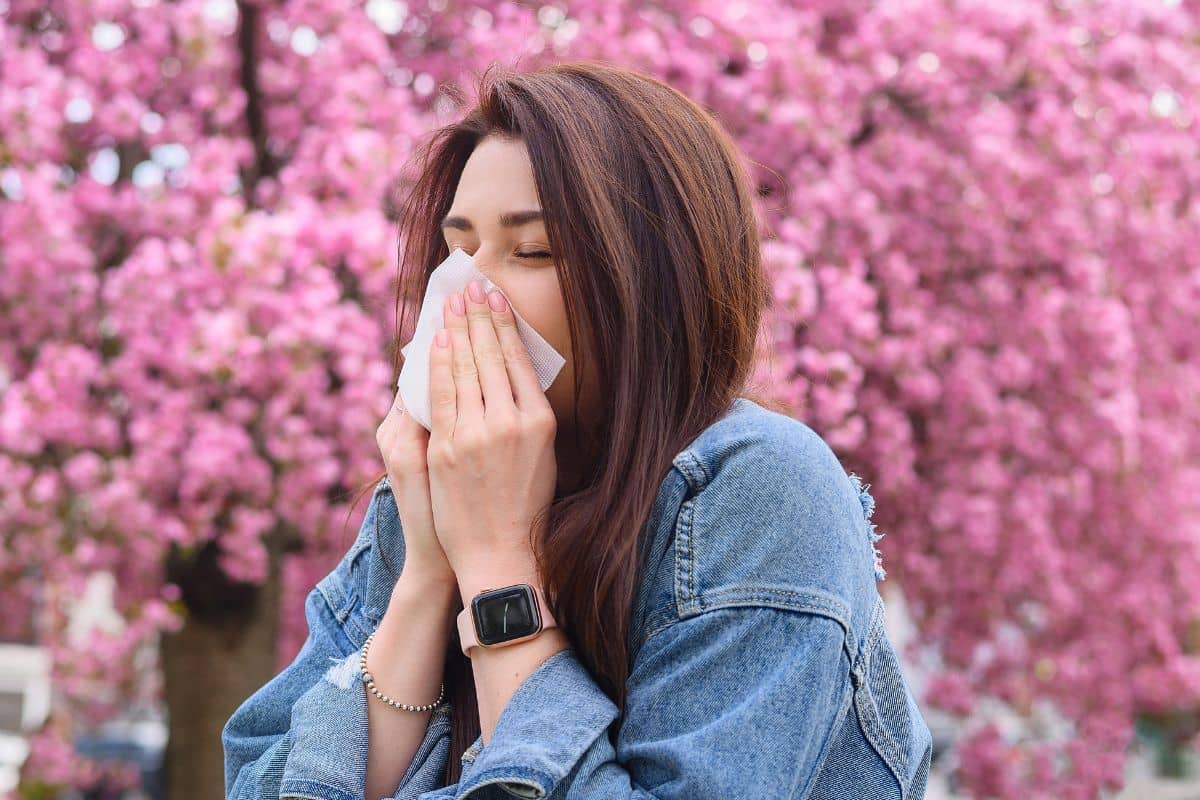
For patients, these allergens often lead to a mix of symptoms of spring allergies, including runny nose, watery eyes, itchy throat, and sinus congestion. If you already struggle with, pollen and mold spores may make breathing more difficult during this time.
Understanding Symptoms of Spring Allergies
Seasonal spring allergies can present differently for each person. For many, they mimic cold or flu symptoms, making it harder to know what’s really going on. Common symptoms of spring allergies include:
- Sneezing and runny nose
- Watery and itchy eyes
- Sinus congestion and pressure
- Scratchy throat or cough
- Fatigue from poor sleep and blocked sinuses
Recognizing these symptoms early allows you to begin treatment before peak pollen season intensifies. If your symptoms interfere with daily activities, it’s time to schedule a visit with an allergist in Robbinsville.
How to Track Pollen and Allergy Forecasts
Knowing when pollen levels are high helps you plan your days. Pollen counts vary throughout the day, with peak pollen hours often occurring in the morning between 5 a.m. and 10 a.m. and again on dry, windy days.
Here are ways to track pollen and prepare for the day:
- Use local weather apps that include allergy forecasts.
- Check trusted resources that provide daily local pollen counts.
- Pay attention to changes in weather, as rain may reduce pollen levels temporarily.
By combining weather updates with allergy info, you can decide when to keep windows closed or reschedule outdoor activities.
Spring Cleaning for Allergy Relief
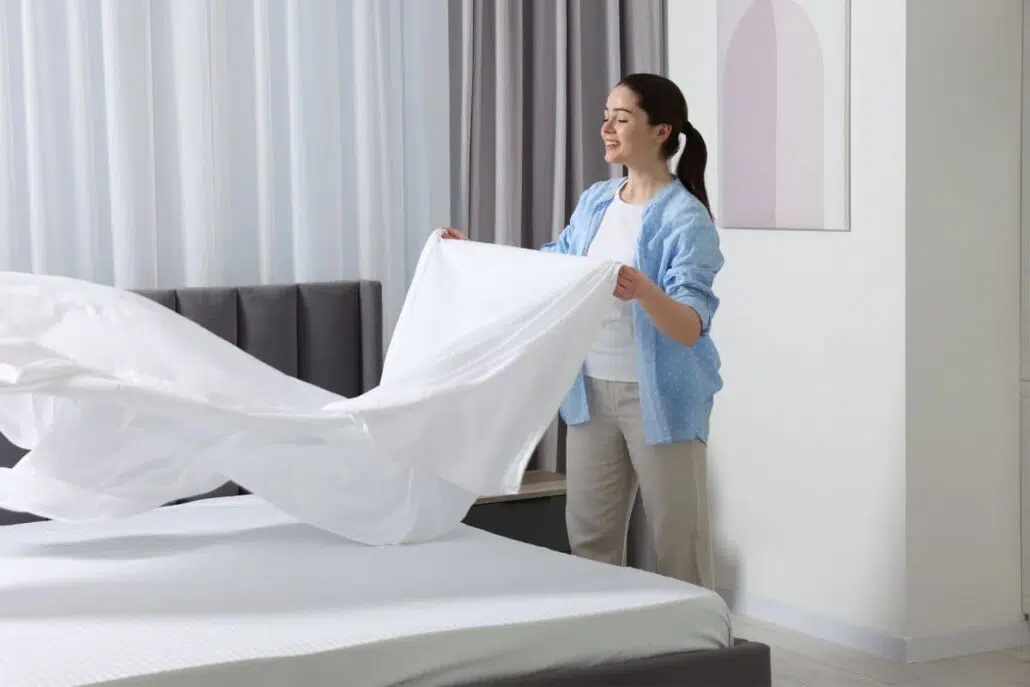
Spring cleaning is more than a seasonal tradition—it’s an important step in spring allergy season preparation. Allergens such as pollen, dust mites, and mold spores accumulate indoors, often making symptoms worse.
Key spring cleaning steps for allergy relief include:
- Washing bedding weekly in hot water to remove pollen and dust.
- Vacuuming carpets and upholstery with a HEPA filter vacuum.
- Replacing air filters regularly to improve indoor air quality.
- Dusting with damp cloths to trap particles instead of spreading them.
- Addressing mold in bathrooms and basements with proper ventilation.
When done early in the season, spring cleaning can significantly reduce your exposure to allergens at home.
Preparation helps, but it only goes so far
For personalized allergy relief customized to your needs, schedule a consultation with Becker ENT and Allergy.
Managing Allergens Indoors: Windows, Air Filters, and More
Indoor pollen and mold exposure can make seasonal spring allergies worse. While it’s tempting to open the windows on warm days, doing so allows outdoor allergens inside. Instead, try these strategies:
- Keep windows closed during peak pollen season.
- Use air conditioning with clean air filters.
- Run a dehumidifier to reduce mold growth in damp areas.
- Shower and change clothes after being outdoors to limit indoor pollen.
These steps may not eliminate allergens entirely, but they can greatly improve indoor air quality and help reduce symptoms.
Treatment Options for Spring Allergies
While lifestyle changes are important, many people still need medical treatment for lasting relief. At Penn Medicine Becker ENT & Allergy, we offer comprehensive options tailored to each patient:
- Antihistamines: These medications reduce sneezing, runny nose, and itchy eyes.
- Nasal sprays: Nasal steroid sprays help reduce inflammation in the nasal passages.
- Immunotherapy: Allergy shots or drops help train your immune system to tolerate allergens over time.
- Prescription medications: For those with more severe or persistent symptoms, or when over-the-counter options aren’t enough.
Our Robbinsville allergists evaluate your history and testing results to create a personalized plan. If over-the-counter medications haven’t worked for you, professional treatment may make all the difference.

The Role of Allergy Testing
Understanding which allergens trigger your symptoms is essential. Allergy testing can pinpoint whether tree pollen, grass pollen, mold spores, or dust mites are affecting you. With accurate testing, our specialists can recommend targeted treatment, such as immunotherapy, to reduce symptoms long-term.
This approach is especially important for patients with allergic asthma or repeated sinus infections linked to seasonal allergies.
When to See an Allergist in Robbinsville
Not all allergies can be managed at home. If your symptoms persist despite spring cleaning, over-the-counter medications, and efforts to track pollen, it’s time to see an allergist. Warning signs include:
- Frequent sinus congestion that interferes with sleep
- Severe runny nose and watery eyes during peak pollen season
- Asthma symptoms triggered by seasonal allergens
- Repeated need for urgent care visits due to allergy flare-ups
Penn Medicine Becker ENT & Allergy’s Robbinsville office offers convenient access to board-certified ENT specialists and allergists who can help you take control of your symptoms.
Why Choose Penn Medicine Becker ENT & Allergy?
Our Robbinsville team combines medical expertise with personalized care. Patients benefit from:
- Fellowship-trained ENT and Allergy/Immunology specialists
- State-of-the-art diagnostic tools for accurate allergy info.
- Tailored treatment plans including immunotherapy, nasal sprays, and advanced medication.
- Convenient appointment options at our Robbinsville, NJ location.
By working with our experienced team, you can enjoy spring in Robbinsville without constant worry about allergy symptoms.