

Penn Medicine Becker ENT
Penn Medicine Becker ENT & Allergy

  • Patient Forms
  • Reviews

Search

Instagram (opens in a new tab) YouTube (opens in a new tab)
  • Request an Appointment
  • Find a Doctor
  • Our Locations
    • Our Locations
    • View More Locations
    • Freehold Township, NJ
    • Princeton, NJ (Bunn Drive)
    • Hillsborough Township, NJ
    • Princeton, NJ (Ewing Street)
    • Lawrenceville, NJ
    • Robbinsville Township, NJ
    • Monroe Township, NJ
    • Sewell, NJ
    • Mount Laurel Township, NJ
    • Voorhees Township, NJ (East Evesham Rd)
    • Mullica Hill, NJ
    • Voorhees Township, NJ (Haddonfield-Berlind Rd)
    • Philadelphia, PA (South St)
    • Voorhees Township, NJ (Sheppard Rd)
    • Philadelphia, PA (Walnut St)
    • Woodbury, NJ
    • Plainsboro, NJ
    • Yardley, PA
  • Our Services
    • Our Services
    • Read Our Articles
    • Nose & Sinus
      • Urgent Care
      • Balloon Sinuplasty
      • Deviated Septum
      • Loss of Smell and Taste
      • Nasal Congestion and Blockage
      • Nasal Polyps
      • Nosebleeds
      • Post-Nasal Drip Treatment
      • Sinusitis
      • Sinus Pressure and Pain
      • Sinus Headaches
      • VivAer® and RhinAer® Treatments
      • Urgent Care for Sinus Infection
    • Ears
      • Comprehensive Ear Wax Buildup Care
      • Ear Infections
      • Eustachian Tube Dysfunction
      • Hearing Aids
      • Hearing Loss Treatment
      • Tinnitus Treatment
      • Urgent Care for Ear Infection
    • Sleep and Snoring
      • Oral Appliances
      • Snoring & Sleep Treatment
      • Sleep Apnea Treatment
      • Turbinate Reduction
    • Allergy
      • Allergic Asthma
      • Allergic Conjunctivitis
      • Allergic Contact Dermatitis
      • Allergic Rhinitis
      • Anaphylaxis
      • Angioedema
      • Drug Allergy
      • Food Allergy
      • Latex Allergies
      • Mold Allergies
      • Penicillin Allergy
      • Pet Allergy
      • Pollen Allergy
      • Seasonal Allergies
    • Throat
      • Swallowing Disorders Treatment
      • Voice Disorders
      • Gender-Affirming Voice Therapy
      • Tonsil Infections
      • Professional Voice Disorder
      • Stroboscopy
      • Voice Therapy
      • FEES
      • Chronic Cough
      • Laryngitis Treatment
      • Laryngopharyngeal Reflux
    • Head and Neck
      • Airway Problems
      • Dizziness & Vertigo Treatment
      • GERD
      • Neck and Branchial Cleft Cysts
      • Neck Masses
      • Salivary Gland Masses
      • Thyroid Disease
    • Pediatric
      • Pediatric ENT
      • Adenoid Hypertrophy
      • Tonsil and Adenoid Surgery
  • Patients Forms
  • Reviews
Home / Blog / When Allergies Become Urgent: Warning Signs to Watch For

When Allergies Become Urgent: Warning Signs to Watch For

Posted by Penn Medicine Becker ENT & Allergy

Allergies are common, and for many people, symptoms remain mild and manageable. Sneezing, itching, or a stuffy nose can often be treated with simple measures. However, some allergic reactions can escalate quickly and become serious, leaving many adults wondering when an allergic reaction is an emergency rather than a routine concern.

Knowing how to recognize urgent warning signs can help you act quickly and avoid complications, including knowing when to go to the ER for an allergic reaction. At Penn Medicine Becker ENT & Allergy, patients throughout New Jersey and Philadelphia receive expert care for both routine allergies and more complex or urgent reactions. Understanding when symptoms change is an important part of staying safe.

Woman scratching red, irritated skin on arm due to allergic reaction, highlighting signs of serious allergy symptoms.
Allergic reactions can escalate quickly, making it vital to recognize urgent symptoms and seek prompt care.
Important Medical Notice

The information provided below and throughout this website is presented for general educational purposes only and does NOT constitute professional medical advice. This information is NOT a substitute for professional medical advice and NO material on this site is intended to be a substitute for professional medical advice. Always seek the guidance of your doctor or other qualified health professional with any questions you may have regarding a health or a medical condition. Never disregard the advice of a medical professional or delay in seeking it because of something you have read on this website.

What You Should Know About Urgent Allergy Reactions

  • Most allergy symptoms are mild, but not all reactions follow the same pattern.
  • Some allergic reactions can progress rapidly within minutes or hours.
  • Certain symptoms signal the need for emergency care rather than routine treatment.
  • Early recognition helps prevent severe complications.
  • Allergy specialists play a key role in long-term management and prevention.
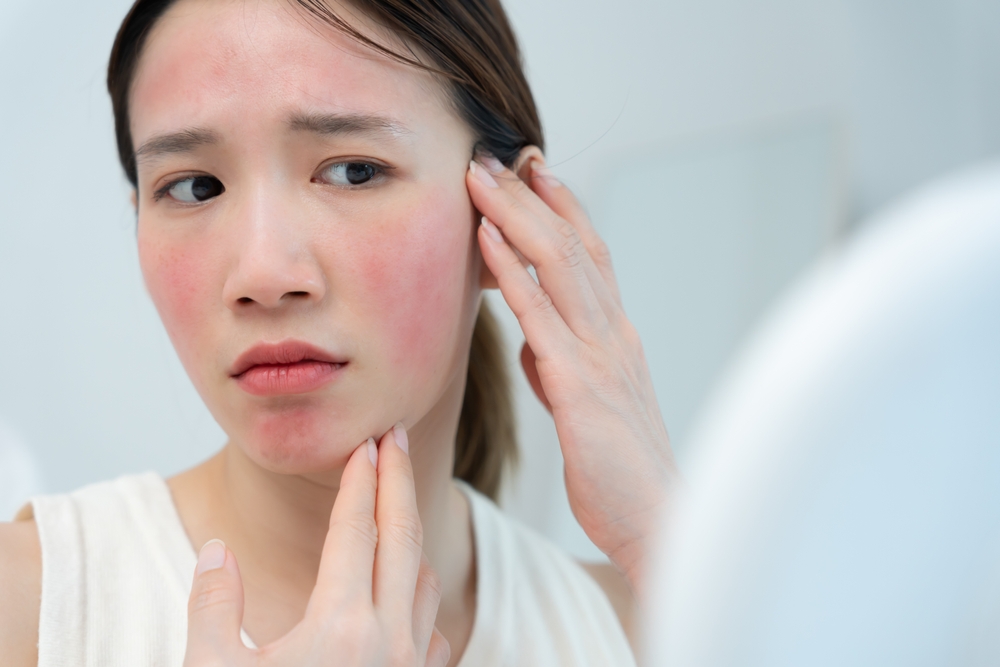
Woman touching red, inflamed skin on her face caused by an allergic reaction, indicating potential severe symptoms.
Severe allergic reactions can impact breathing, blood pressure, and circulation, requiring immediate medical attention.

Why Some Allergy Symptoms Need Urgent Attention

Allergic reactions occur when the immune system overreacts to allergens such as foods, medications, or insect stings. In mild cases, this response stays limited to the nose, skin, or eyes. In other cases, inflammation spreads more broadly and affects breathing, blood pressure, or circulation.

Timing matters. Severe reactions can worsen quickly, and delaying care may increase risk. This is why recognizing urgent symptoms is just as important as managing everyday allergies.

Common Allergy Symptoms Versus Urgent Warning Signs

Typical Allergy Symptoms Many Adults Experience

Most people with allergies are familiar with symptoms like nasal congestion, itching, sneezing, watery eyes, or mild hives. These symptoms are uncomfortable but usually respond to antihistamines or avoidance of triggers.

Allergy Warning Signs That Should Not Be Ignored

Urgent allergy symptoms involve more than irritation. Trouble breathing, swelling of the lips or throat, dizziness, or fainting suggest a serious reaction that needs immediate medical attention. These signs indicate the body is reacting systemically, not just locally.

Secure Your Safe Treatment Experience with PennMedicine

Join our satisfied clients who’ve experienced safe, effective treatments.

Book Appointment

Signs of a Severe Allergic Reaction That Call for Immediate Care

Breathing and Throat Symptoms Linked to Urgent Allergies

Difficulty breathing, wheezing, tightness in the throat, or a hoarse voice are among the most concerning symptoms. These signs can indicate airway involvement and require emergency care.

Skin, Swelling, and Circulation Changes During Serious Reactions

Widespread hives, swelling of the face or tongue, pale skin, or a sudden drop in blood pressure may occur during a severe reaction. Some people experience rapid heartbeat or feel faint.

Neurological and Digestive Symptoms: Dizziness, Confusion, and Nausea

Dizziness, confusion, vomiting, or severe abdominal pain can also accompany serious allergic reactions. These symptoms may signal reduced blood flow or systemic inflammation.

Identifying Symptoms of Anaphylaxis

Anaphylaxis is a severe, potentially life-threatening allergic reaction. Symptoms of anaphylaxis often involve multiple body systems at once, including breathing difficulty, swelling, hives, dizziness or fainting, and gastrointestinal distress.

An anaphylactic reaction requires immediate emergency treatment, often with epinephrine. In some cases, symptoms can return hours later, a phenomenon known as biphasic anaphylaxis, which is why monitoring after emergency care is important.

Food, Medication, and Environmental Allergies That Can Turn Urgent

Food Allergies That May Lead to Emergency Symptoms

Foods such as peanuts, tree nuts, shellfish, eggs, or milk are common triggers of severe reactions. Even small exposures can cause serious symptoms in sensitive individuals.

Medication and Insect Sting Allergies to Watch Closely

Antibiotics, pain medications, and insect stings can provoke rapid allergic responses. Reactions may worsen with repeated exposure, making vigilance essential.

Seasonal and Environmental Allergies That Can Escalate

While most seasonal allergies remain mild, severe swelling, uncontrolled symptoms, or reactions combined with asthma may require urgent evaluation.

When to Go to the ER for an Allergic Reaction

Emergency room care is necessary when allergic symptoms involve breathing difficulty, throat swelling, fainting, confusion, often in rapid progression. If epinephrine is used, follow-up emergency care is often required to monitor for recurring symptoms.

If you are unsure whether symptoms are urgent, it is safer to seek emergency care rather than wait.

Doctor examining a woman's arm for signs of a severe allergic reaction in a clinical setting for urgent care.
Allergic reactions with breathing issues or rapid symptom progression require immediate emergency room evaluation.

Management and Treatment After an Allergy Emergency

Emergency treatment may include epinephrine, oxygen, IV fluids, or other medications to stabilize symptoms. Antihistamines alone are not sufficient for severe reactions.

After emergency care, follow-up with an allergist is critical. Ongoing management and treatment focus on identifying triggers, reducing risk, and developing an action plan for future reactions.

How Allergy Specialists Help Prevent Emergency Reactions

Allergy testing and diagnosis help identify specific allergens and risk factors. Specialists may recommend avoidance strategies, medications, or carrying an epinephrine injector for those at higher risk.

At Penn Medicine Becker ENT & Allergy, care is personalized to each patient’s history, symptoms, and lifestyle, helping reduce the likelihood of future allergy emergencies.

Allergy Urgent and Preventive Care at Penn Medicine Becker ENT & Allergy

Allergic reactions can change over time, and symptoms that were once mild may become more serious. Expert evaluation helps patients understand when to seek urgent care and how to manage allergies safely.

Penn Medicine Becker ENT & Allergy provides comprehensive allergy care for patients in New Jersey and the Philadelphia area. If you are concerned about changing symptoms or want guidance on preventing severe reactions, scheduling an appointment can offer clarity, reassurance, and expert support.

Allergy Emergency Questions Patients Commonly Ask

When should epinephrine be used for an allergic reaction?

Epinephrine is used when an allergic reaction involves severe symptoms such as difficulty breathing, throat swelling, fainting, or signs of anaphylactic shock. It works by quickly reducing airway swelling and supporting blood pressure during a serious reaction. If epinephrine is used, emergency medical care is often required, as symptoms may return and further monitoring is necessary.

What reaction symptoms signal a true allergy emergency?

Reaction symptoms that involve more than mild itching or congestion should be taken seriously. Trouble breathing, rapid swelling, dizziness, confusion, vomiting, or a sudden drop in blood pressure may indicate a severe allergic reaction. These symptoms suggest the body is reacting systemically and require immediate medical attention.

Can severe allergies send someone to the hospital?

Yes. Severe allergies can lead to reactions that require hospital care, especially if breathing, circulation, or consciousness is affected. Emergency treatment may include epinephrine, oxygen, IV fluids, or additional medications to stabilize symptoms. Hospital observation is often recommended to watch for recurring symptoms.

Is anaphylactic shock the same as a severe allergic reaction?

Anaphylactic shock is a severe form of an allergic reaction that affects multiple body systems at once. It may involve breathing difficulty, low blood pressure, dizziness, or fainting. While not every allergic reaction progresses to anaphylactic shock, any reaction with severe symptoms should be treated as an emergency.

After emergency treatment, should I still see an allergy specialist?

Yes. Even after symptoms improve, follow-up care is important. An allergy specialist can help identify triggers, review reaction symptoms, and create a management plan to reduce future risk. This may include testing, medication guidance, or education on when emergency care is needed.

The content, including but not limited to, text, graphics, images and other material contained on this website is for informational purposes only. No content on this website is intended to be a substitute for professional medical advice, diagnosis, or treatment, nor represent the opinion of our physicians. Always seek the guidance of a qualified healthcare provider for any medical condition or concern.

Book Your Consultation Today

Improve the quality of your life.

"*" indicates required fields

This field is for validation purposes and should be left unchanged.
By submitting this form I agree to the Terms of Use (opens in a new tab)

Background locations

Call now to schedule your appointment.

Appointments are available. Mon - Fri : 8 a.m. to 5 p.m.

COVID-19 Safety Updates

Freehold, NJ

732-375-9550

Hillsborough, NJ

908-271-2102

Lawrenceville, NJ

609-303-5163

Monroe, NJ

609-831-0779

Mt. Laurel, NJ

856-724-4031

Mullica Hill, NJ

856-478-3111

Philadelphia, PA (South St)

215-671-6330

Philadelphia, PA (Walnut St)

215-929-8301

Plainsboro, NJ

609-897-0203

Princeton, NJ

609-430-9200

Princeton, NJ

609-759-8500

Robbinsville, NJ

609-436-5740

Sewell, NJ

856-589-6673

Voorhees, NJ

856-565-2900

Voorhees, NJ (Haddonfield-Berlind Rd)

856-375-1440

Voorhees, NJ

856-772-1617

Woodbury, NJ

856-845-8300

Yardley, PA

267-399-4004

SEE ALL LOCATIONS
Penn Medicine Becker ENT & Sinus Surgery

Copyright © 2026. All Rights Reserved.
The Rhinoplasty Center (opens in a new tab) | Schrader Facial Plastic Surgery (opens in a new tab) | Rhinoplasty Archive (opens in a new tab) | Lozada Facial Plastic Surgery (opens in a new tab) | Becker Plastic Surgery (opens in a new tab) | Rejuvenation Resource (opens in a new tab) | Kam Facial Plastic Surgery(opens in a new tab) | Anni Wong MD Facial Plastic Surgery(opens in a new tab) | Yamasaki Facial Plastic Surgery(opens in a new tab) | David W. Allison, MD(opens in a new tab)
Terms . Privacy . HIPAA . Sitemap(opens in a new tab).

Instagram (opens in a new tab) YouTube (opens in a new tab)
Penn Medicine Becker ENT & Allergy

Call one of our locations now!

  • Freehold, NJ: (732) 375-9550
  • Hillsborough, NJ: (908) 271-2102
  • Lawrenceville, NJ: (609) 303-5163
  • Monroe, NJ: (609) 831-0779
  • Mt. Laurel, NJ: (856) 724-4031
  • Mullica Hill, NJ: (856) 478-3111
  • Philadelphia, PA: (215) 671-6330
  • Philadelphia, PA: (215) 929-8301
  • Plainsboro, NJ: (609) 681-6939
  • Princeton, NJ: (609) 759-8500
  • Princeton, NJ: (609) 430-9200
  • Robbinsville, NJ: (609) 436-5740
  • Sewell, NJ: (856) 589-6673
  • Voorhees, NJ: (856) 772-1617
  • Voorhees, NJ: (856) 565-2900
  • Yardley, PA: (267) 399-4004
  • Woodbury, NJ: (856) 845-8300