




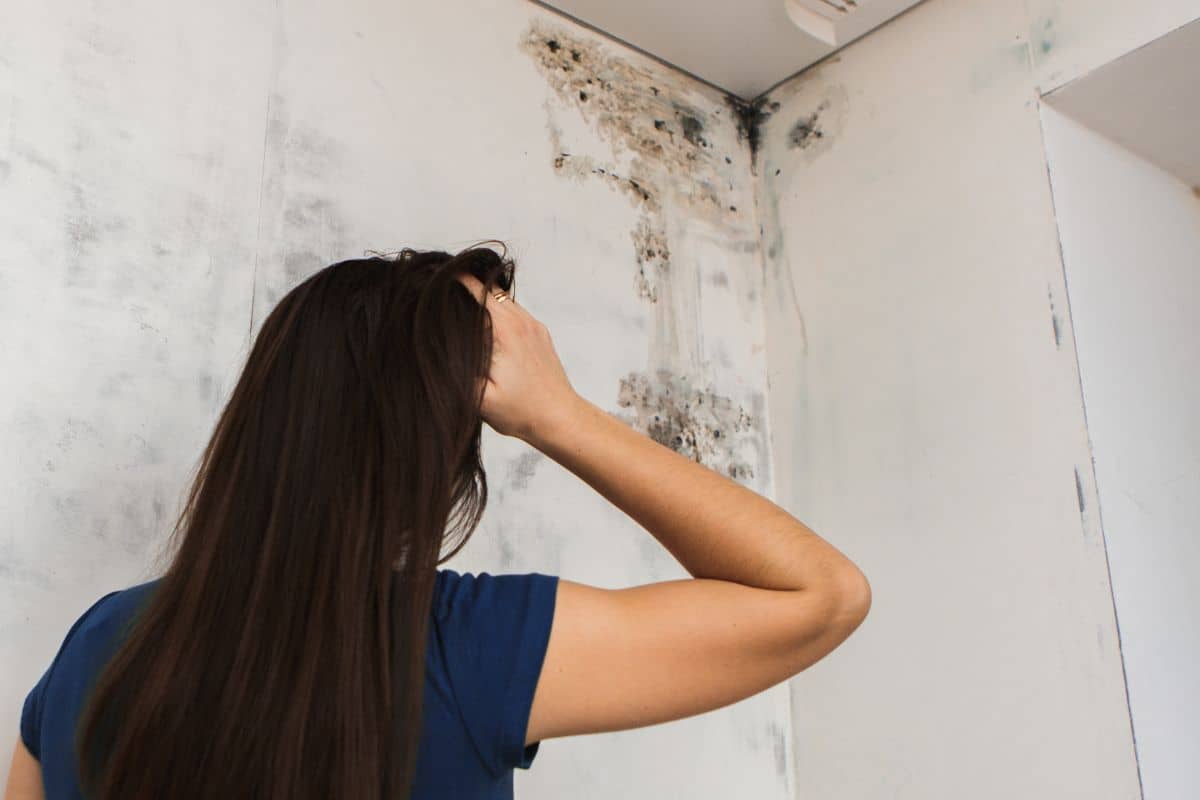
Mold isn’t just a cosmetic problem. For many, it represents a hidden health hazard that can trigger a range of ENT (ear, nose, and throat) symptoms. From chronic sinus issues to persistent throat irritation, mold exposure is often overlooked as a cause of health problems, even as it silently thrives in damp corners and is naturally occurring. Mold is common.
Humid regions with older housing stock and seasonal weather swings are particularly vulnerable to mold exposure. Understanding the ENT red flags and what to do about them can make all the difference. Becker ENT & Allergy, with a dedicated office nearby in Robbinsville, is here to help diagnose and treat mold-related ENT symptoms while guiding patients toward cleaner, healthier environments.
 Important Medical Notice
The information provided below and throughout this website is presented for general educational purposes only and does NOT constitute professional medical advice. This information is NOT a substitute for professional medical advice and NO material on this site is intended to be a substitute for professional medical advice. Always seek the guidance of your doctor or other qualified health professional with any questions you may have regarding a health or a medical condition. Never disregard the advice of a medical professional or delay in seeking it because of something you have read on this website.
5 Signs Your Home Could Be Making You Sick
- Mold exposure can trigger chronic nasal congestion, sneezing, and postnasal drip.
- Throat irritation and voice changes may stem from ongoing inflammation caused by airborne mold spores.
- Mold can lead to ear infections, pressure, and even temporary hearing issues.
- A home doesn’t need visible mold to impact your health—tiny spores in the air can still cause reactions.
- Treating allergic rhinitis symptoms at Becker ENT & Allergy offers lasting relief and professional support.
Don’t forget to check for mold on organic debris, such as fallen leaves or even dead trees, near vents. Outdoor air can carry mold spores indoors and introduce other molds into your living space.

Health Risks of Indoor Mold Exposure in the Home
While mold plays a natural role in the outdoor environment by breaking down organic matter, its presence and exposure can cause health risks. Not all molds are toxic, but even common types can lead to serious reactions in sensitive individuals.
Mold reproduces by releasing tiny spores into the air. When inhaled, these spores can cause respiratory irritation, immune responses, or infections—especially in people with mold allergies, asthma, or other underlying health conditions.
Potential health risks of mold exposure include:
- Chronic sinus infections
- Persistent coughing and throat irritation
- Asthma flare-ups and breathing difficulties
- Skin rashes and eye irritation
- Fatigue and headaches
Symptoms Caused by Mold Exposure
Mold spores, once airborne, can easily enter the upper respiratory tract and settle in the sinuses, nasal passages, throat, and even the ears. People often experience these reactions in the form of colds, allergies, or seasonal illnesses.
Mold-related ENT issues are more common than many realize.
Mold and Nasal Congestion: Warning Signs to Know
The nose is often the first line of defense against airborne mold spores, and it can show symptoms quickly. Persistent or unexplained nasal symptoms are one of the most common indicators of mold exposure.
Watch for the following red flags:
- Chronic nasal congestion that doesn’t improve with medication
- Runny nose or postnasal drip
- Frequent sneezing or irritation
- Sinus pressure or facial pain
- Loss of smell or reduced sensitivity to scents

Our team treats more than symptoms, we target the root cause
Get relief from mold-related ENT problems with expert care in Hamilton.
Throat and Voice Issues from Mold
Mold spores that pass through the nasal passages may also irritate the throat and vocal cords. While symptoms can mimic a sore throat or laryngitis, they often last longer than expected and may worsen with continued exposure.
Signs that your throat and voice may be affected include:
- Persistent sore or scratchy throat
- Hoarseness or changes in your voice
- A sensation of something stuck in your throat
- Frequent throat clearing

Ear Problems Caused by Mold Spores and Dampness
Mold-related ear symptoms may be less obvious but still concerning. Spores can affect the Eustachian tubes, which connect the throat to the middle ear, causing inflammation or blockage.
Common ear-related signs of mold exposure include:
- Ear pressure or fullness
- Tinnitus (ringing in the ears)
- Dizziness or balance issues
- Recurring ear infections

How an ENT & Allergy Specialist Treats Symptoms from Mold Exposure

At Becker ENT & Allergy, our specialists offer comprehensive evaluations to determine whether mold is a contributing factor to your symptoms. Diagnosis typically begins with a detailed symptom history, environmental exposure assessment, and a physical exam.
ENT & Allergy testing options may include:
- Nasal endoscopy to evaluate the nasal passages and sinuses
- Allergy testing for naturally occurring mold sensitivity
- Sinus imaging, such as CT scans
- Cultures or swabs to check for fungal infections
Once diagnosed, your ENT & Allergy provider may recommend a combination of treatments to reduce inflammation and manage symptoms. Treatment options include:
- Antihistamines or nasal corticosteroids
- Allergy immunotherapy (allergy shots or drops)
- Antibiotics or antifungals if infection is present
- Saline rinses and humidifiers for symptom relief
Why Choose Becker ENT and Allergy Near Hamilton
If you are searching ENT near Hamilton, NJ, expert help is close by. Becker ENT & Allergy has a convenient office in Robbinsville, offering easy access to board-certified ENT and Allergy specialists who understand the environmental health challenges.
Patients benefit from:
- Comprehensive Allergy and ENT evaluations
- State-of-the-art diagnostic testing
- Personalized treatment plans
- A collaborative team approach to care
With decades of combined experience and a reputation for excellence, Becker ENT & Allergy provides compassionate, effective care that goes beyond temporary fixes.
Why You Shouldn’t Wait to Address Mold and Health Risks
Ignoring symptoms can lead to chronic infections, worsening allergies, and long-term damage to the respiratory system.
If your symptoms are persistent and unexplained, don’t wait. Early diagnosis and treatment can prevent complications, restore comfort, and improve your quality of life. The sooner you address the problem, the sooner you can breathe easier—literally.
Consult with an ENT Specialist About Mold Allergies
Mold exposure is more than a nuisance—it can be a real health issue with lasting consequences. If you’re experiencing chronic nasal, throat, or ear problems and suspect mold might be to blame, schedule a consultation with the experts at Becker ENT & Allergy.
Our team will help you understand the connection between environmental triggers and your symptoms, offer targeted treatment options, and guide you in creating a healthier environment. With the Robbinsville office just minutes from Hamilton, you’re never far from expert care.